
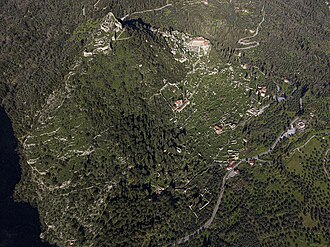
🏰 Mystras
Greece
About This Sacred Site
Mystras is a fortified Byzantine city on a hillside near ancient Sparta in the Peloponnese. This 'Wonder of the Morea' flourished in the 14th and 15th centuries as the capital of the Despotate of the Morea, becoming a major center of Byzantine art, philosophy, and Orthodox spirituality. Its churches — including the Metropolis of Agios Dimitrios and the Monastery of Pantanassa — contain some of the finest late-Byzantine frescoes in existence. The last Byzantine Emperor, Constantine XI Palaiologos, was crowned here in 1449 before the fall of Constantinople.
History & Origins
Founded in 1249 as a fortress by the Franks, Mystras evolved into a significant Byzantine city near ancient Sparta during the 14th and 15th centuries. It became the capital of the Despotate of the Morea, flourishing as a political, religious, and cultural center. The city is renowned for its impressive Byzantine churches and monasteries, decorated with exquisite frescoes. After the Ottoman conquest in 1460, Mystras declined but remained an important spiritual site. Today, its ruins provide exceptional insight into late Byzantine art, architecture, and history.
Spiritual Significance
Founded in 1249 as a Byzantine fortress city, this site became a religious center with numerous churches and monasteries reflecting Orthodox Christian practices. The Monastery of Pantanassa, dating to the 14th century, remains active with nuns preserving Byzantine liturgical traditions and iconography. Mystras was the coronation site of Constantine XI in 1449, symbolizing its political and spiritual significance as the last Byzantine imperial capital. Pilgrims historically engaged in veneration of relics housed in the Church of the Virgin Peribleptos, which features extensive frescoes illustrating Orthodox theology and hagiography. Annual celebrations include feasts for St. Demetrios and other local saints, following Byzantine liturgical calendars. The preservation of Hesychasm, a mystical tradition of contemplative prayer within Eastern Orthodoxy, was fostered by monastic communities here, reflecting deep theological currents influential in late medieval Greece.
Key Facts
- •UNESCO World Heritage Site since 1989
- •Constantine XI, the last Byzantine Emperor, was crowned here in 1449
- •The Monastery of Pantanassa remains active, with nuns maintaining the church
- •The philosopher Gemistos Plethon taught here, influencing the Italian Renaissance
- •The city was abandoned in 1832 when the population moved to modern Sparta
Location
Coordinates: 37.0753, 22.3662
Frequently Asked Questions
What religion is Mystras associated with?▾
Mystras is a Christianity holy site located in Greece. It was established 1249 and is ranked #393 in our global directory of sacred sites.
When was Mystras established?▾
Mystras dates back to 1249. UNESCO World Heritage Site since 1989
How many people visit Mystras each year?▾
Mystras receives approximately 200,000 visitors per year. Constantine XI, the last Byzantine Emperor, was crowned here in 1449
What is Mystras known for?▾
A Byzantine ghost city in the Peloponnese with stunning churches and frescoes. Visitors come seeking spiritual enlightenment, ancestral connection, peace, pilgrimage. The Monastery of Pantanassa remains active, with nuns maintaining the church
Related Holy Sites
Sacred places connected by country, religion, and purpose
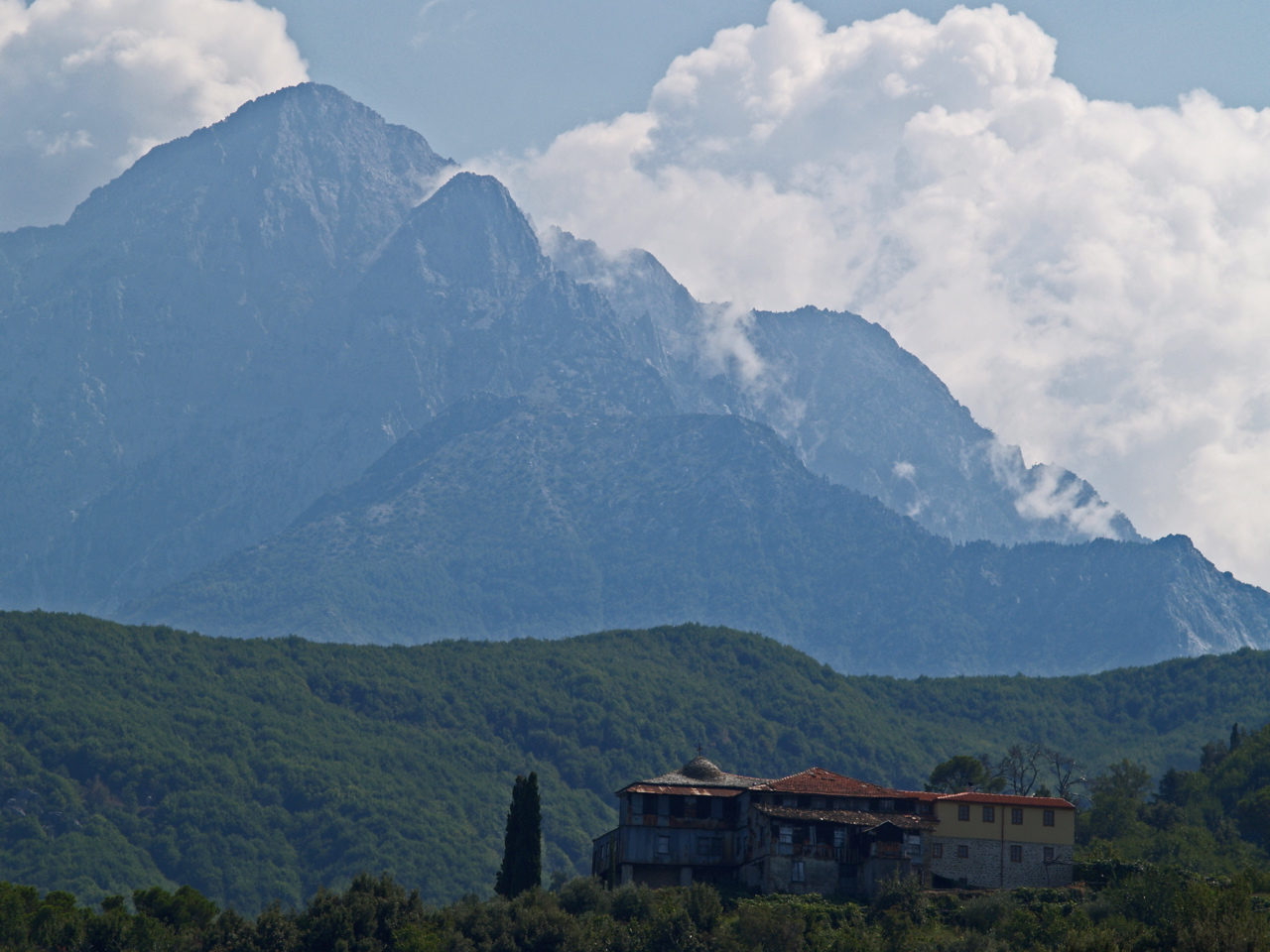
🏔️Mount Athos
An autonomous monastic republic with 20 Eastern Orthodox monasteries.
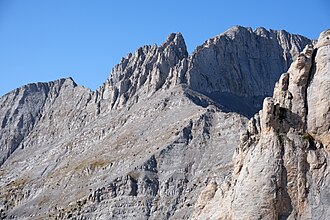
⚡Mount Olympus
The mythical home of the Greek gods, where Zeus ruled from the summit.
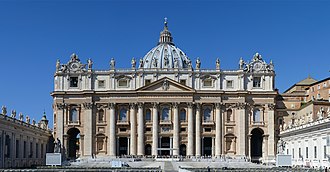
⛪Vatican City (St. Peter's Basilica)
The spiritual center of Roman Catholicism and home of the Pope.
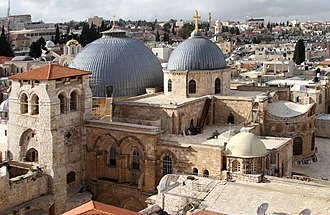
✝️Church of the Holy Sepulchre
The site where Jesus was crucified, buried, and resurrected.
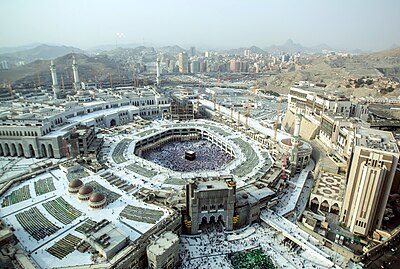
🕋Masjid al-Haram (Great Mosque of Mecca)
The holiest site in Islam, home of the Kaaba, and the destination for Hajj pilgrimage.
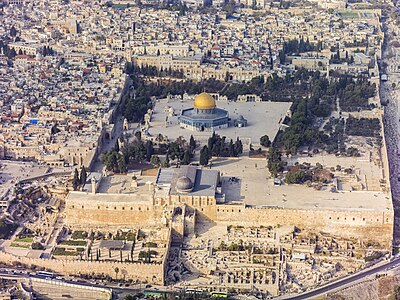
🕌Temple Mount / Al-Aqsa (Jerusalem)
Sacred to Judaism, Christianity, and Islam — the most contested holy site on Earth.

