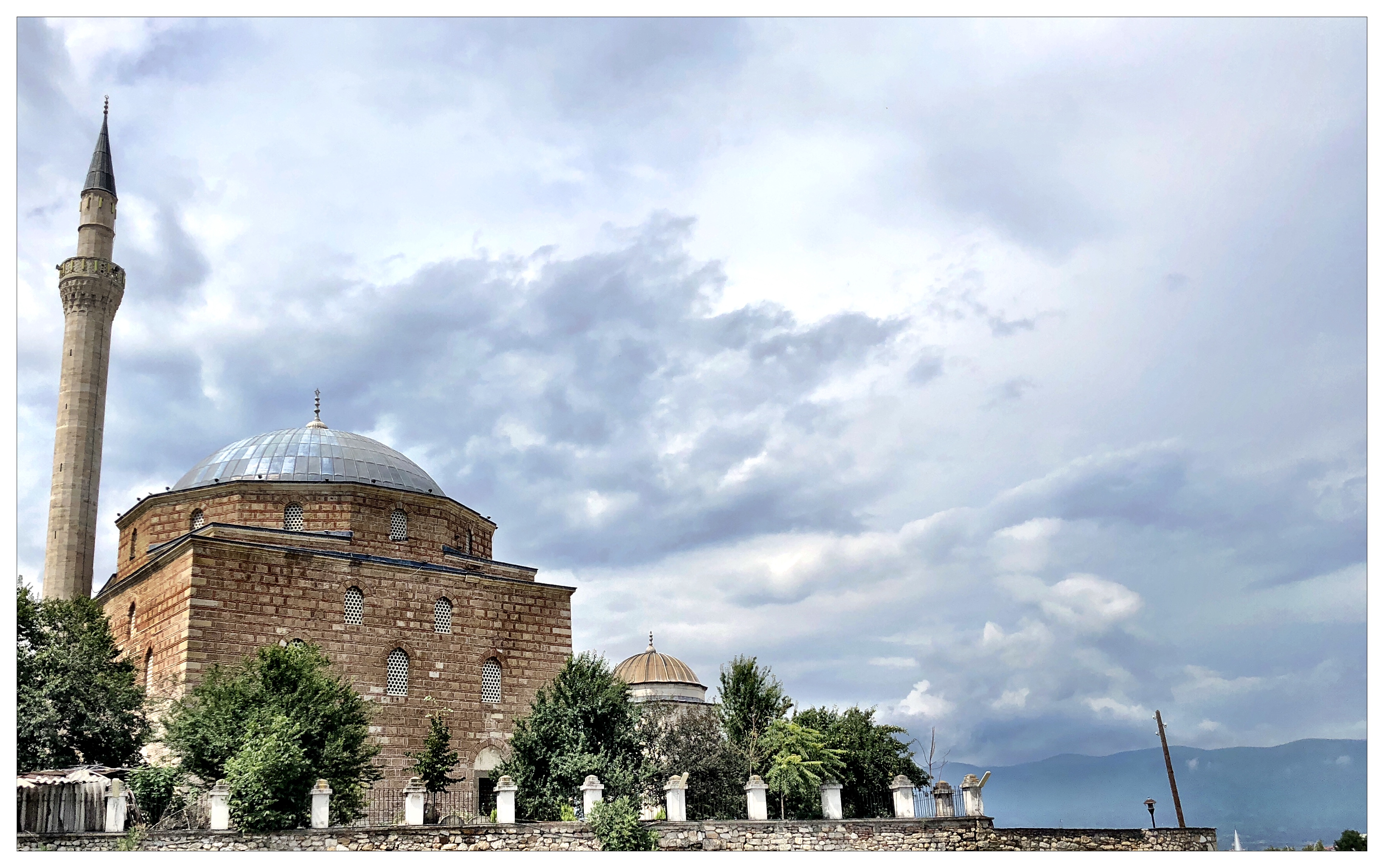
🕌 Mustafa Pasha Mosque
North Macedonia
About This Sacred Site
The Mustafa Pasha Mosque, built in 1492, stands as one of the largest Ottoman-era mosques in the Balkans, prominently located in Skopje's old bazaar. Its architectural features include a large central dome, intricate stonework, and a tall minaret, embodying classical Ottoman design. The mosque remains active as a place of worship and is a key cultural landmark reflecting Skopje's historical Islamic heritage.
History & Origins
Commissioned by Mustafa Pasha, an Ottoman vizier, in 1492, the mosque was constructed to serve the growing Muslim community in Skopje's bustling old bazaar. It replaced an earlier small mosque and quickly became a focal point of religious life. Over centuries, the mosque witnessed Ottoman architectural evolution, surviving various conflicts and urban changes. Its minaret and dome underwent restorations during the 20th century, preserving original decorative elements such as calligraphy and stone carvings. The mosque also functioned as a social center with adjacent facilities, reflecting Ottoman religious and communal traditions. Today, it symbolizes Skopje's multicultural past and ongoing Islamic religious practices.
Spiritual Significance
Commissioned in 1492 by Ottoman governor Mustafa Pasha, the mosque holds central importance for Sunni Muslim worship in Skopje, especially during Ramadan when nightly Tarawih prayers are held under its 16-meter-diameter central dome. The mosque is noted for surviving the 1963 Skopje earthquake, maintaining its original Ottoman architectural integrity, which is seen as a divine safeguard by the local Muslim community. The türbe of Mustafa Pasha within the mosque complex is a site of ziyarat, where devotees offer prayers for intercession. Regular Friday Jumu'ah prayers here follow the Hanafi school jurisprudence, emphasizing the mosque’s role in sustaining classical Ottoman Islamic practice in North Macedonia.
Key Facts
- •Built in 1492 by Ottoman governor Mustafa Pasha
- •Features a 16-meter-diameter central dome
- •Survived the catastrophic 1963 Skopje earthquake
- •Contains the türbe of Mustafa Pasha's daughter Umi
- •Located in the old bazaar, one of the largest in the Balkans
Location
Coordinates: 41.9975, 21.4369
Frequently Asked Questions
What religion is Mustafa Pasha Mosque associated with?▾
Mustafa Pasha Mosque is a Islam holy site located in North Macedonia. It was established 1492 and is ranked #609 in our global directory of sacred sites.
When was Mustafa Pasha Mosque established?▾
Mustafa Pasha Mosque dates back to 1492. Built in 1492 by Ottoman governor Mustafa Pasha
How many people visit Mustafa Pasha Mosque each year?▾
Mustafa Pasha Mosque receives approximately 200,000 visitors per year. Features a 16-meter-diameter central dome
What is Mustafa Pasha Mosque known for?▾
A grand 15th-century Ottoman mosque in the old bazaar quarter of Skopje. Visitors come seeking peace, pilgrimage, spiritual enlightenment. Survived the catastrophic 1963 Skopje earthquake
Related Holy Sites
Sacred places connected by country, religion, and purpose
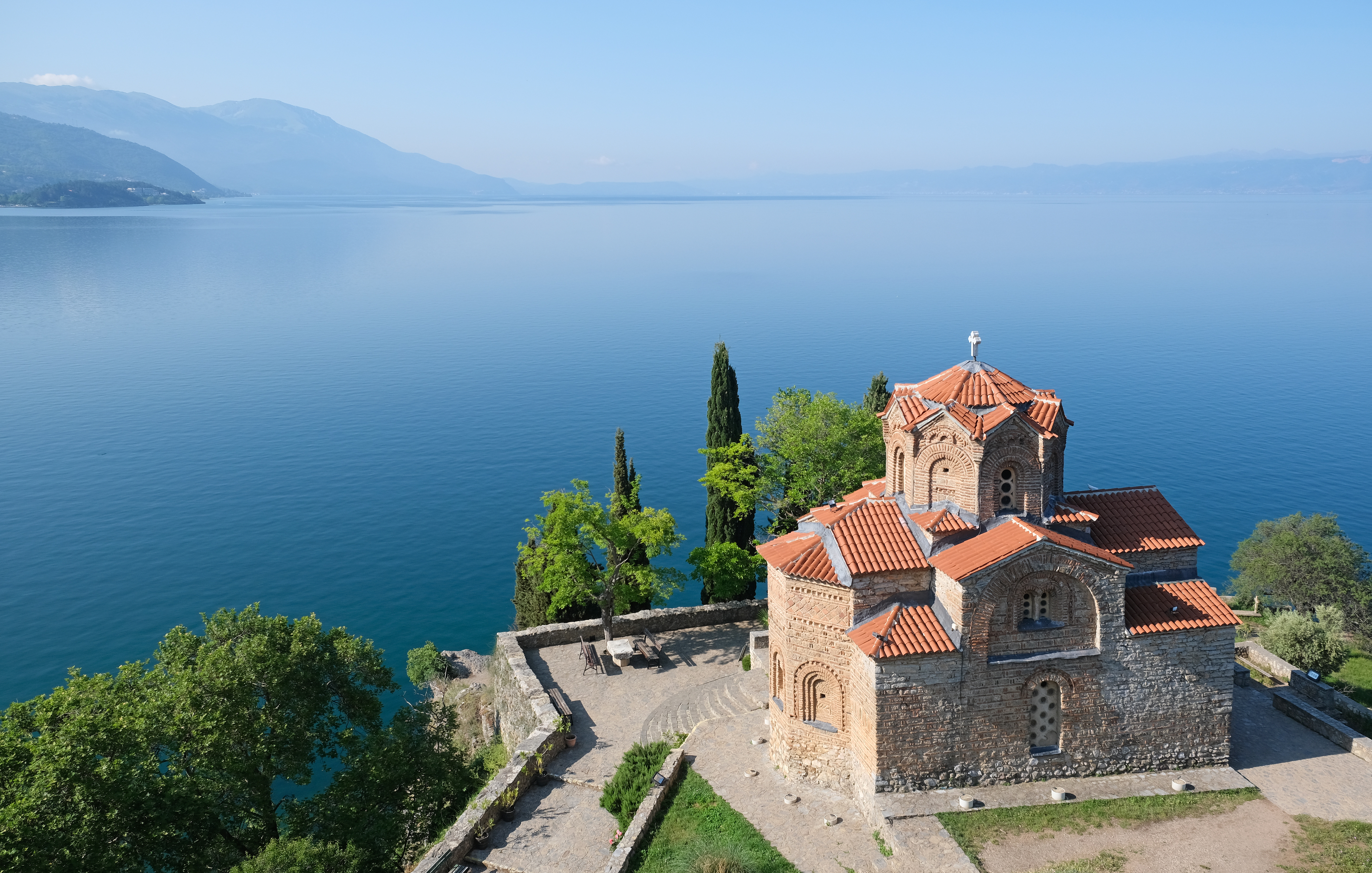
⛪Church of St John at Kaneo Ohrid
An iconic medieval church perched on a cliff above Lake Ohrid, one of the most photographed sites in the Balkans.

⛪Church of St. John at Kaneo
A stunning 13th-century clifftop church overlooking Lake Ohrid.