⛪ Church of St John at Kaneo Ohrid
North Macedonia
About This Sacred Site
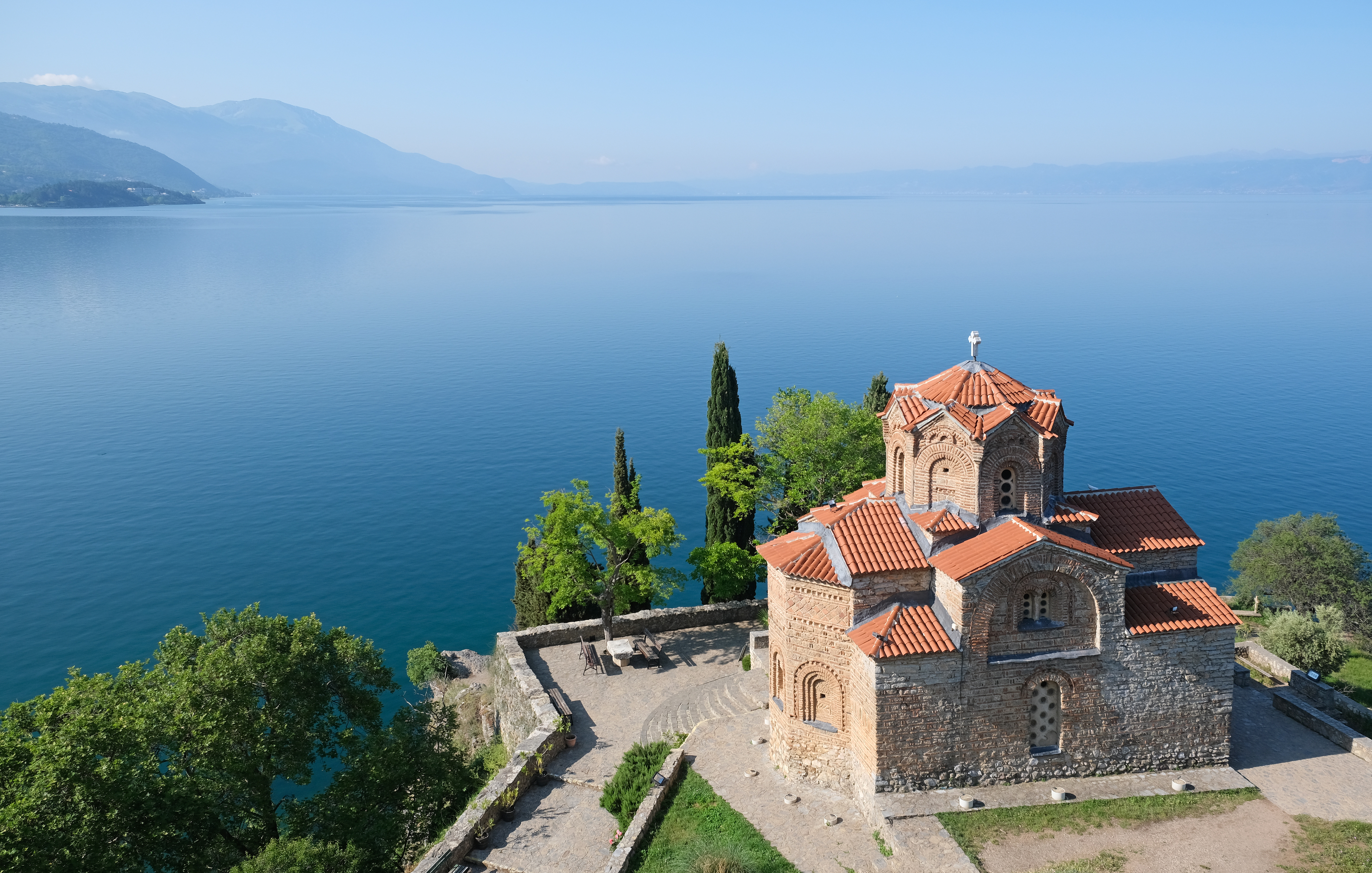
Perched dramatically on a cliff overlooking Lake Ohrid, the Church of St John at Kaneo is a 13th-century Macedonian Orthodox sanctuary celebrated for its stunning Byzantine architecture and frescoes. Its small, cross-shaped design features a distinctive blend of Armenian and Byzantine styles, with intricate brickwork and stone carvings. The church's setting offers panoramic views of the lake, contributing to its spiritual ambiance. It remains an active site of worship and a treasured cultural landmark, embodying the deep Orthodox Christian heritage of North Macedonia.
History & Origins
The Church of St John at Kaneo in Ohrid, North Macedonia, was constructed in the 13th century under the patronage of the Byzantine Empire, blending Byzantine and Armenian architectural styles. Its exact founding date is circa 1230 AD during the reign of Emperor Ivan Asen II of Bulgaria, who controlled the region at the time. The church is perched on a cliff overlooking Lake Ohrid, one of Europe’s oldest lakes, estimated to be over 3 million years old. The structure features a cruciform plan topped by a dome, with frescoes dating from the 14th century depicting scenes from the life of Christ and the Virgin Mary. It underwent restoration in the 20th century, notably in the 1950s, to preserve its medieval frescoes and structural integrity. The church survived various Ottoman conversions and later political upheavals in the Balkans, maintaining its function as a Christian Orthodox place of worship. It is part of the UNESCO Ohrid region World Heritage site since 1979, emphasizing its cultural and historical importance.
Spiritual Significance
The Church is dedicated to John the Theologian, whose writings in the New Testament emphasize the divinity of Christ, reinforcing its theological importance to Eastern Orthodox Christians. Annually, the feast day of St John on December 27 is celebrated with liturgies and processions that draw pilgrims from across the Balkans. The church's cliffside location above Lake Ohrid is believed to enhance spiritual contemplation, with pilgrims often participating in prayers referencing Gospel passages from the Book of John. Local tradition holds that the church serves as a protective guardian over the lake and the city. Orthodox monks historically recited the Akathist Hymn here, a ritual prayer honoring saints and divine mysteries. The church’s iconostasis features icons considered miraculous, attracting visitors seeking blessings, particularly during Easter and Christmas liturgies led by the Macedonian Orthodox Church. Its blend of Byzantine and Armenian spiritual art reflects the theological interplay between Eastern Christian traditions.
Key Facts
- •Built in the 13th century in a blend of Byzantine and Armenian styles
- •Perched on a cliff directly above one of Europe's oldest lakes
- •Lake Ohrid is over 3 million years old and a UNESCO World Heritage Site
- •The church contains remnants of medieval frescoes in the apse
- •Ohrid was once known as the 'Jerusalem of the Balkans' for its 365 churches
Location
Coordinates: 41.1094, 20.7922
Frequently Asked Questions
What religion is Church of St John at Kaneo Ohrid associated with?▾
Church of St John at Kaneo Ohrid is a Christianity holy site located in North Macedonia. It was established 13th century and is ranked #109 in our global directory of sacred sites.
When was Church of St John at Kaneo Ohrid established?▾
Church of St John at Kaneo Ohrid dates back to 13th century. Built in the 13th century in a blend of Byzantine and Armenian styles
How many people visit Church of St John at Kaneo Ohrid each year?▾
Church of St John at Kaneo Ohrid receives approximately 300,000 visitors per year. Perched on a cliff directly above one of Europe's oldest lakes
What is Church of St John at Kaneo Ohrid known for?▾
An iconic medieval church perched on a cliff above Lake Ohrid, one of the most photographed sites in the Balkans. Visitors come seeking meditation, peace, spiritual enlightenment. Lake Ohrid is over 3 million years old and a UNESCO World Heritage Site
Related Holy Sites
Sacred places connected by country, religion, and purpose

⛪Church of St. John at Kaneo
A stunning 13th-century clifftop church overlooking Lake Ohrid.
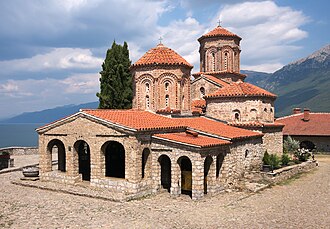
🙏Monastery of Saint Naum
A 10th-century lakeside monastery founded by Saint Naum of Ohrid.
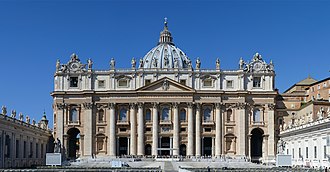
⛪Vatican City (St. Peter's Basilica)
The spiritual center of Roman Catholicism and home of the Pope.
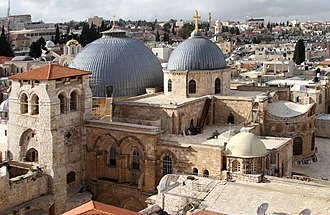
✝️Church of the Holy Sepulchre
The site where Jesus was crucified, buried, and resurrected.