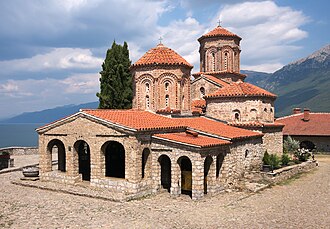
🙏 Monastery of Saint Naum
North Macedonia
About This Sacred Site
The Monastery of Saint Naum, founded in 905 by Saint Naum, a disciple of Saints Cyril and Methodius, is situated on the southern shore of Lake Ohrid near the Albanian border. This Orthodox monastery is renowned for its serene setting and well-preserved medieval frescoes. It functions as a spiritual center and houses the tomb of Saint Naum, making it a revered pilgrimage site. The complex includes a church, monastic cells, and beautiful gardens, blending religious significance with natural beauty.
History & Origins
Founded in 905 CE by Saint Naum, a disciple of Saints Cyril and Methodius, the monastery was established under the First Bulgarian Empire’s patronage to promote Slavic literacy. The complex underwent significant renovations in the 16th century under Ottoman rule, including the addition of defensive walls and fresco restorations. In 1893, archaeologists uncovered the tomb of Saint Naum, which local tradition claims emits a faint heartbeat sound, attracting pilgrims. The monastery was closed during Yugoslavian secularization policies in the 20th century but reopened in the 1990s following Macedonian independence. Its location atop springs feeding Lake Ohrid integrates natural and spiritual heritage, sustaining monastic life for over a millennium.
Spiritual Significance
The monastery serves as a major pilgrimage site commemorating Saint Naum, who is revered for spreading the Glagolitic script and Slavic Christian literacy. Pilgrims visit his tomb to perform the ritual of listening for the heartbeat sound, believed to signify ongoing spiritual presence. Annual celebrations on July 23 include liturgical services incorporating hymns from the Octoechos, emphasizing the saint's role in Orthodox hymnography. The monastic community practices the Jesus Prayer continuously, reflecting hesychast traditions linked historically to Saint Naum’s teachings. The springs beneath the monastery are used in baptismal rites, symbolizing spiritual cleansing and renewal, aligning with Orthodox sacramental theology.
Key Facts
- •Founded in 905 CE by Saint Naum, a key figure in Slavic literacy
- •The tomb of Saint Naum is said to produce a faint heartbeat sound
- •The monastery sits atop springs that feed Lake Ohrid
- •Houses frescoes from the 16th and 19th centuries
- •Peacocks roam freely in the monastery grounds
Location
Coordinates: 40.9117, 20.7394
Frequently Asked Questions
What religion is Monastery of Saint Naum associated with?▾
Monastery of Saint Naum is a Christianity holy site located in North Macedonia. It was established 905 and is ranked #585 in our global directory of sacred sites.
When was Monastery of Saint Naum established?▾
Monastery of Saint Naum dates back to 905. Founded in 905 CE by Saint Naum, a key figure in Slavic literacy
How many people visit Monastery of Saint Naum each year?▾
Monastery of Saint Naum receives approximately 400,000 visitors per year. The tomb of Saint Naum is said to produce a faint heartbeat sound
What is Monastery of Saint Naum known for?▾
A 10th-century lakeside monastery founded by Saint Naum of Ohrid. Visitors come seeking healing, peace, pilgrimage. The monastery sits atop springs that feed Lake Ohrid
Related Holy Sites
Sacred places connected by country, religion, and purpose
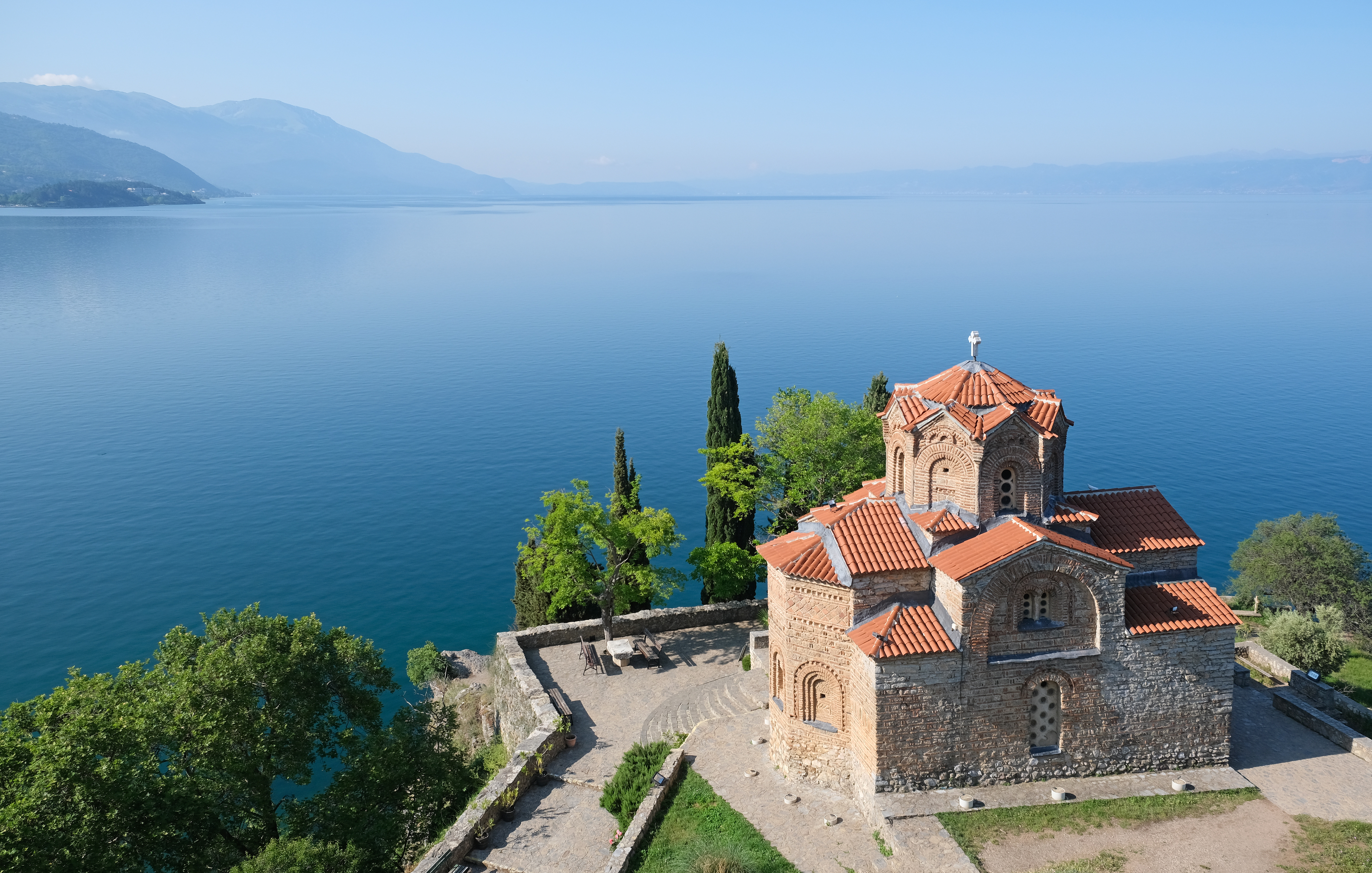
⛪Church of St John at Kaneo Ohrid
An iconic medieval church perched on a cliff above Lake Ohrid, one of the most photographed sites in the Balkans.

⛪Church of St. John at Kaneo
A stunning 13th-century clifftop church overlooking Lake Ohrid.
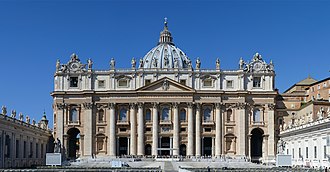
⛪Vatican City (St. Peter's Basilica)
The spiritual center of Roman Catholicism and home of the Pope.
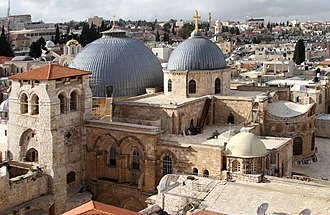
✝️Church of the Holy Sepulchre
The site where Jesus was crucified, buried, and resurrected.