⛰️ Mount of Olives
Israel
About This Sacred Site
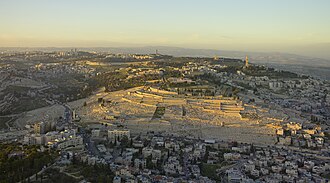
The Mount of Olives is a mountain ridge east of Jerusalem's Old City, sacred to Judaism, Christianity, and Islam. In Jewish tradition, the Messiah will appear here and the resurrection of the dead will begin, which is why the mountain has been a Jewish burial ground for over 3,000 years, with an estimated 150,000 graves. For Christians, it is where Jesus ascended to heaven, where he wept over Jerusalem, and where he will return at the Second Coming. The Chapel of the Ascension marks the spot of Jesus's departure. For Muslims, a hadith states that the bridge to paradise (As-Sirat) will stretch from the Mount of Olives to the Temple Mount on Judgment Day. The panoramic view of Jerusalem's Old City from the summit is one of the most iconic vistas in the world.
History & Origins
The Mount of Olives, a prominent ridge east of Jerusalem's Old City, has been a sacred site since at least 1000 BCE, initially noted for its ancient Jewish burial grounds. It holds deep religious significance for Judaism, Christianity, and Islam. Jewish tradition envisions the Messiah's arrival here, while Christian texts recount Jesus' prayer and ascension on the mount. Throughout history, it has hosted monasteries, churches, and pilgrimage routes. The site has witnessed numerous historical events, including conflicts and restoration efforts. Today, it remains a vibrant spiritual and cultural landmark, symbolizing faith and continuity across millennia.
Spiritual Significance
The Mount of Olives, rising to about 826 meters above sea level east of Jerusalem's Old City, holds multi-faith significance, notably Jewish and Christian traditions, and has been a sacred burial site since circa 1000 BCE. It contains approximately 150,000 Jewish graves, making it one of the oldest continuously used cemeteries in the world, with some tombs dating back over 3,000 years, reflecting enduring Jewish beliefs about resurrection and the coming of the Messiah. Christians honor this mountain as the site from which Jesus ascended to heaven, as described in Acts 1:9-12, and it features prominently in prophecies related to the end times in both Christian and Jewish eschatology. Pilgrims visit the Chapel of the Ascension, built originally in the 4th century and rebuilt multiple times, to commemorate this event. Jewish traditions hold that the Messiah will appear on the Mount of Olives, prompting pilgrimages during festivals like Sukkot. The mountain's ancient olive groves are also symbolic of peace and divine blessing, with ritual prayers often conducted beneath the trees, linking natural landscape to spiritual aspirations.
Key Facts
- •Contains approximately 150,000 Jewish graves — the oldest in continuous use for 3,000+ years
- •Christians believe Jesus ascended to heaven from this mountain
- •Jews believe the resurrection of the dead will begin here when the Messiah comes
- •The Chapel of the Ascension contains what is said to be Jesus's last footprint
- •In Islamic tradition, the bridge to paradise spans from here to the Temple Mount
Location
Coordinates: 31.7781, 35.2455
Frequently Asked Questions
What religion is Mount of Olives associated with?▾
Mount of Olives is a Multi-faith holy site located in Israel. It was established c. 1000 BCE (earliest burials) and is ranked #72 in our global directory of sacred sites.
When was Mount of Olives established?▾
Mount of Olives dates back to c. 1000 BCE (earliest burials). Contains approximately 150,000 Jewish graves — the oldest in continuous use for 3,000+ years
How many people visit Mount of Olives each year?▾
Mount of Olives receives approximately 3+ million visitors per year. Christians believe Jesus ascended to heaven from this mountain
What is Mount of Olives known for?▾
A sacred mountain overlooking Jerusalem, central to Jewish, Christian, and Islamic prophecy. Visitors come seeking pilgrimage, salvation, peace, spiritual enlightenment. Jews believe the resurrection of the dead will begin here when the Messiah comes
Related Holy Sites
Sacred places connected by country, religion, and purpose
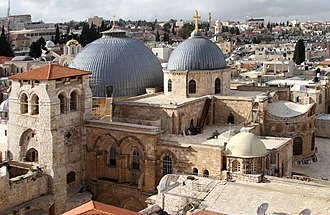
✝️Church of the Holy Sepulchre
The site where Jesus was crucified, buried, and resurrected.
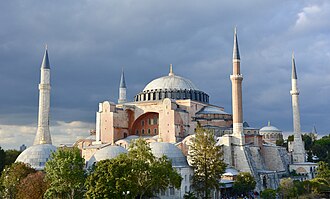
🏛️Hagia Sophia
A masterpiece that served as cathedral, mosque, and museum across centuries.
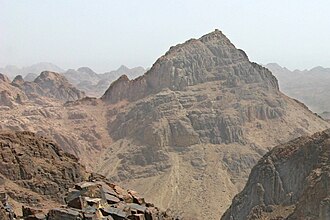
⛰️Mount Sinai (Jebel Musa)
Where Moses received the Ten Commandments from God.