⛰️ Mount Nebo
Jordan
About This Sacred Site
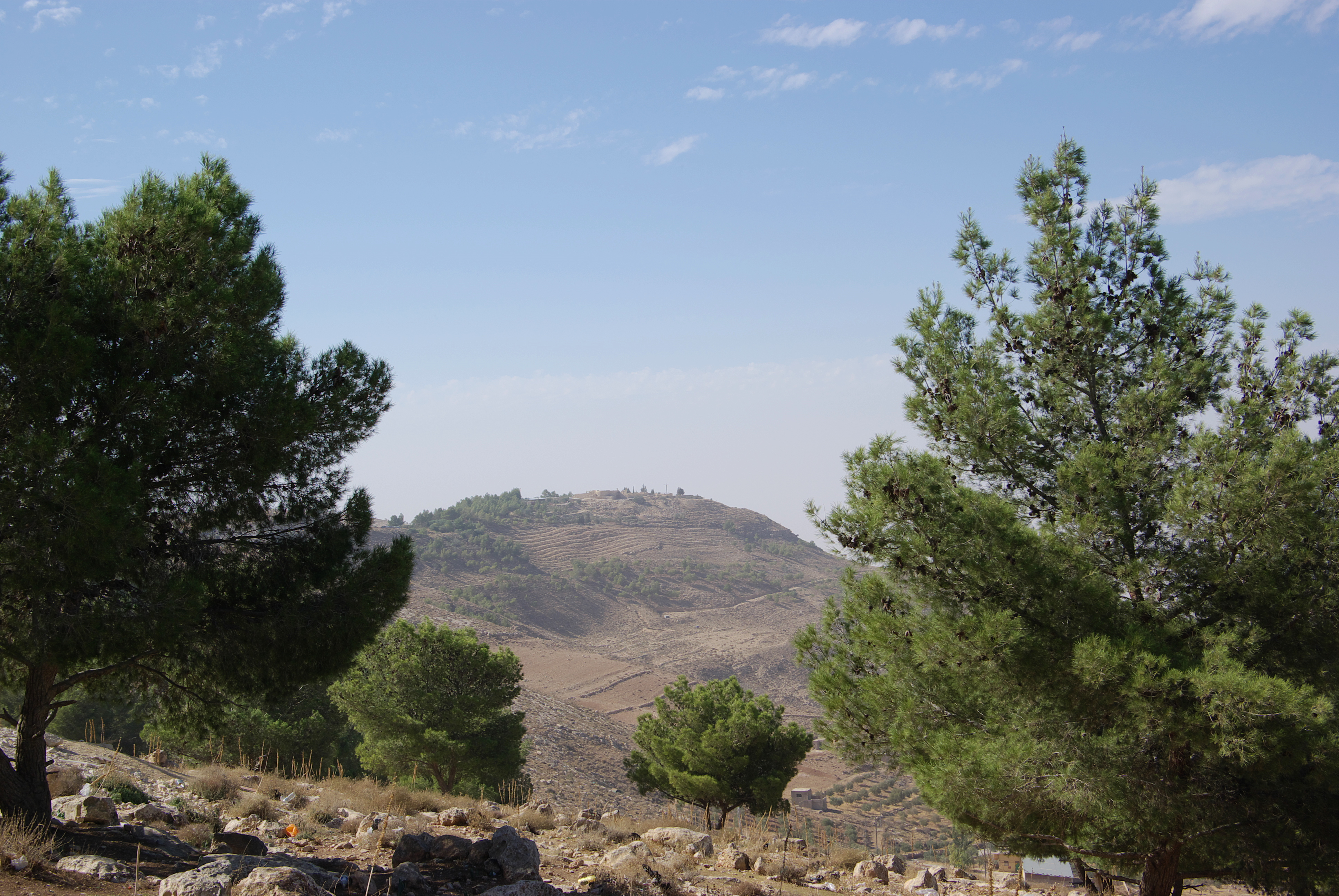
Mount Nebo is a revered site in Judaism, Christianity, and Islam as the place where Moses is said to have viewed the Promised Land before his death. Located in western Jordan, it offers panoramic views of the Dead Sea, the Jordan Valley, and on clear days, Jerusalem. The site features a modern church built over 4th-century Byzantine remains, and a serpentine cross sculpture symbolizing the bronze serpent of Moses. Pope John Paul II and Pope Francis have both visited this deeply meaningful biblical site.
Spiritual Significance
Mount Nebo is revered in biblical tradition as the place where Moses viewed the Promised Land before his death around the 14th century BCE, making it a pivotal site for Jewish, Christian, and Islamic pilgrims. The Byzantine church constructed in the 4th century CE on the summit houses mosaics depicting biblical scenes, facilitating liturgical celebrations like the Feast of Moses. Pilgrims ascend the site to perform prayers facing the Jordan Valley and Jerusalem, visible across the landscape, embodying scriptural narratives from Deuteronomy 34:1-5. Annual pilgrimages occur during Pentecost, commemorating the Holy Spirit's descent, with rituals involving the blessing of water sources nearby. The location's panoramic views of the Dead Sea and its association with prophetic vision underscore its theological import across Abrahamic faiths.
Key Facts
- •Biblical tradition holds that Moses died here after seeing the Promised Land
- •Offers views of the Dead Sea, Jordan Valley, and Jerusalem
- •A Byzantine church was built here in the 4th century
- •Visited by Pope John Paul II in 2000 and Pope Francis in 2014
- •Features a serpentine cross symbolizing the Nehushtan
Location
Coordinates: 31.7672, 35.7253
Frequently Asked Questions
What religion is Mount Nebo associated with?▾
Mount Nebo is a Multi-faith holy site located in Jordan. It was established c. 1400 BCE (biblical tradition) and is ranked #119 in our global directory of sacred sites.
When was Mount Nebo established?▾
Mount Nebo dates back to c. 1400 BCE (biblical tradition). Biblical tradition holds that Moses died here after seeing the Promised Land
How many people visit Mount Nebo each year?▾
Mount Nebo receives approximately 500,000 visitors per year. Offers views of the Dead Sea, Jordan Valley, and Jerusalem
What is Mount Nebo known for?▾
The biblical mountain where Moses viewed the Promised Land before his death. Visitors come seeking pilgrimage, guidance, spiritual enlightenment, peace. A Byzantine church was built here in the 4th century
Related Holy Sites
Sacred places connected by country, religion, and purpose
🏛️Petra
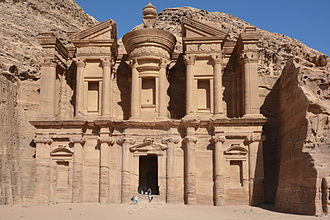
The rose-red Nabataean city carved into sandstone cliffs, one of the New Seven Wonders.

🕌Temple Mount / Al-Aqsa (Jerusalem)
Sacred to Judaism, Christianity, and Islam — the most contested holy site on Earth.
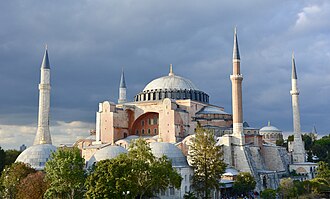
🏛️Hagia Sophia
A masterpiece that served as cathedral, mosque, and museum across centuries.