🕳️ Lot's Cave (Deir Ain Abata)
Jordan
About This Sacred Site
Lot's Cave, located near the southeastern shore of the Dead Sea, is traditionally associated with the biblical story of Lot taking refuge after the destruction of Sodom and Gomorrah. Archaeological excavations have revealed a Byzantine-era church and monastery built over the cave, with beautiful mosaic floors dating to the 6th century. The site is sacred to Judaism, Christianity, and Islam, all of which include Lot in their traditions. A small museum at the base of the hill displays artifacts found during excavations.
History & Origins
The site, traditionally dated to circa 2000 BCE, is linked to the biblical patriarch Lot, as referenced in Genesis 19, providing a tangible connection to Judeo-Christian and Islamic narratives. The Byzantine church at the cave, featuring 6th-century mosaic floors, indicates early Christian worship and pilgrimage during the Byzantine period, reflecting the site's enduring religious significance. Situated near the southeastern shore of the Dead Sea, the location has undergone archaeological excavations revealing its multi-layered religious use. The cave's identification as Deir Ain Abata highlights its monastic past, with renovations documented during the early Byzantine era to accommodate Christian hermits. The site has maintained its sacred status across millennia, integrating Judaic, Christian, and Islamic traditions into its spiritual heritage.
Spiritual Significance
The cave is revered as the dwelling place of Lot following the destruction of Sodom and Gomorrah, a narrative central to Abrahamic faiths, especially referenced in the Quran (Surah Hud 11:77-83) and the Bible (Genesis 19). Pilgrims from Jewish, Christian, and Muslim backgrounds visit to reflect on themes of divine judgment and mercy, often engaging in prayer and contemplation at the adjacent Byzantine church ruins. The mosaic floors in the church demonstrate early Christian liturgical art, indicating processional rituals and veneration practices dating back to the 6th century. The site's proximity to the Dead Sea underscores its theological symbolism related to purification and repentance, with pilgrims sometimes combining visits with ritual bathing in the mineral-rich waters nearby. Annual pilgrimages often coincide with religious festivals commemorating Lot's legacy, bridging multiple faith traditions in shared reverence.
Key Facts
- •Associated with the biblical patriarch Lot
- •Contains a Byzantine church with 6th-century mosaic floors
- •Located near the southeastern shore of the Dead Sea
- •Sacred to Judaism, Christianity, and Islam
- •A monastery was active here from the 5th to 7th centuries
Location
Coordinates: 31.0400, 35.4717
Frequently Asked Questions
What religion is Lot's Cave (Deir Ain Abata) associated with?▾
Lot's Cave (Deir Ain Abata) is a Multi-faith holy site located in Jordan. It was established c. 2000 BCE (biblical tradition) and is ranked #169 in our global directory of sacred sites.
When was Lot's Cave (Deir Ain Abata) established?▾
Lot's Cave (Deir Ain Abata) dates back to c. 2000 BCE (biblical tradition). Associated with the biblical patriarch Lot
How many people visit Lot's Cave (Deir Ain Abata) each year?▾
Lot's Cave (Deir Ain Abata) receives approximately 30,000 visitors per year. Contains a Byzantine church with 6th-century mosaic floors
What is Lot's Cave (Deir Ain Abata) known for?▾
A biblical cave near the Dead Sea where Lot is said to have sheltered after fleeing Sodom. Visitors come seeking pilgrimage, ancestral connection, guidance, spiritual enlightenment. Located near the southeastern shore of the Dead Sea
Related Holy Sites
Sacred places connected by country, religion, and purpose
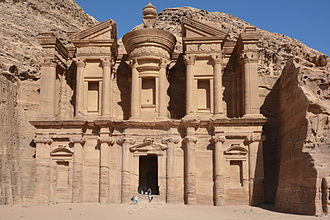
🏛️Petra
The rose-red Nabataean city carved into sandstone cliffs, one of the New Seven Wonders.
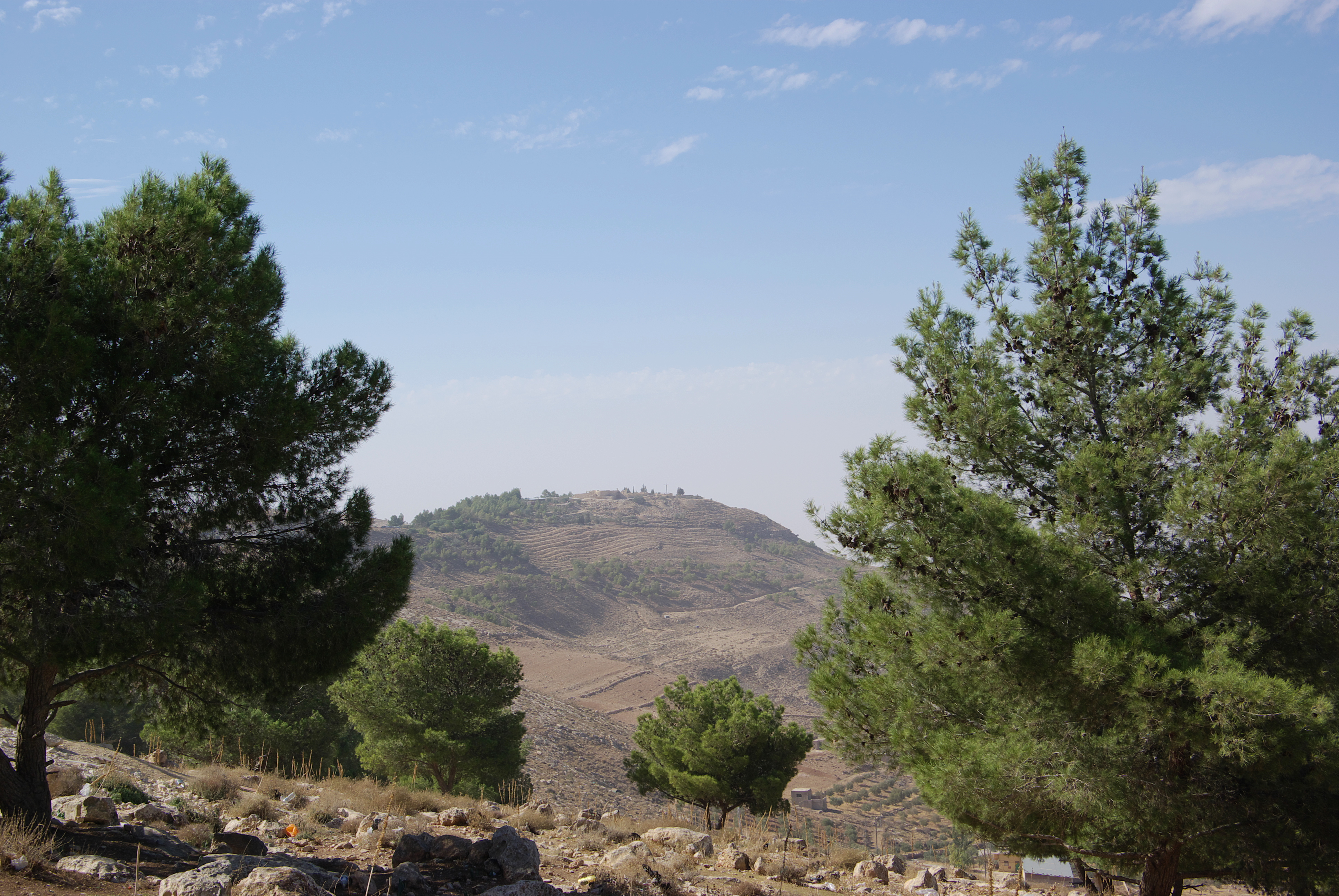
⛰️Mount Nebo
The biblical mountain where Moses viewed the Promised Land before his death.
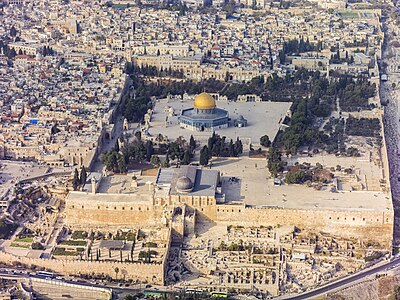
🕌Temple Mount / Al-Aqsa (Jerusalem)
Sacred to Judaism, Christianity, and Islam — the most contested holy site on Earth.
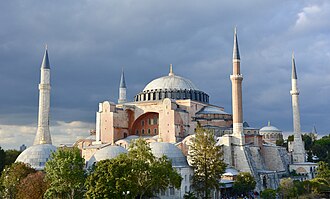
🏛️Hagia Sophia
A masterpiece that served as cathedral, mosque, and museum across centuries.