🗻 Mount Fuji
Japan
About This Sacred Site
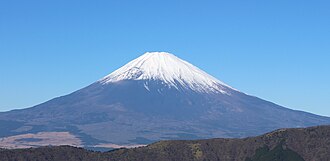
Mount Fuji, Japan’s highest peak at 3,776 meters, is a stratovolcano located on Honshu Island. Its perfectly symmetrical cone shape has been formed through multiple volcanic eruptions, the most recent occurring in 1707 during the Hoei eruption. The mountain is composed primarily of basalt and volcanic ash layers, which contribute to its distinctive appearance. Over 200,000 climbers ascend to its summit annually during the official climbing season from July to September. The mountain’s five lakes—Kawaguchi, Yamanaka, Sai, Shoji, and Motosu—are situated at its northern base, providing scenic vistas. Recognized as a UNESCO World Heritage Site in 2013, Mount Fuji is celebrated for its cultural significance as well as its natural beauty.
History & Origins
Mount Fuji’s religious significance dates back to at least the 7th century, when it became a site for Shinto worship and ascetic mountain practices called shugendō. The earliest recorded pilgrimage was during the Nara period. Over centuries, shrines and paths were established to facilitate worship and pilgrimage. During the Edo period, climbing Mount Fuji became popular among common people as a spiritual exercise. The mountain’s sacred status was reinforced by Buddhist influences, blending religious traditions. Today, Mount Fuji remains a central symbol in Japanese spirituality and culture.
Spiritual Significance
Mount Fuji has been a sacred site in Shinto religion since at least the 7th century, where it is considered the dwelling place of the kami Konohanasakuya-hime, the goddess of volcanoes and blossoms. Pilgrimages to the summit have been a religious practice for centuries, symbolizing purification and spiritual rebirth. The annual Fujisan Hongu Sengen Taisha festival, held at the mountain’s base, venerates the kami and marks the opening of the climbing season. Shugendō practitioners, ascetic mountain monks known as yamabushi, perform rituals on its slopes to gain spiritual power and enlightenment. The mountain is referenced in classical Japanese poetry and religious texts, reflecting its theological importance as a bridge between the human and divine realms. Climbing Fuji is seen as a form of worship and self-discipline within Shinto and Buddhist traditions.
Key Facts
- •Japan's highest peak at 3,776 meters
- •An active volcano that last erupted in 1707
- •Over 200,000 people climb to the summit annually during the summer season
- •UNESCO World Heritage Site since 2013 (as a cultural site, not natural)
- •The official climbing season is only July to September
Location
Coordinates: 35.3606, 138.7274
Frequently Asked Questions
What religion is Mount Fuji associated with?▾
Mount Fuji is a Shinto holy site located in Japan. It was established Ancient (worship since 7th century) and is ranked #43 in our global directory of sacred sites.
When was Mount Fuji established?▾
Mount Fuji dates back to Ancient (worship since 7th century). Japan's highest peak at 3,776 meters
How many people visit Mount Fuji each year?▾
Mount Fuji receives approximately 3+ million (to the area) visitors per year. An active volcano that last erupted in 1707
What is Mount Fuji known for?▾
Japan's most sacred mountain, worshipped as a deity for centuries. Visitors come seeking purification, spiritual enlightenment, peace, pilgrimage. Over 200,000 people climb to the summit annually during the summer season
Related Holy Sites
Sacred places connected by country, religion, and purpose
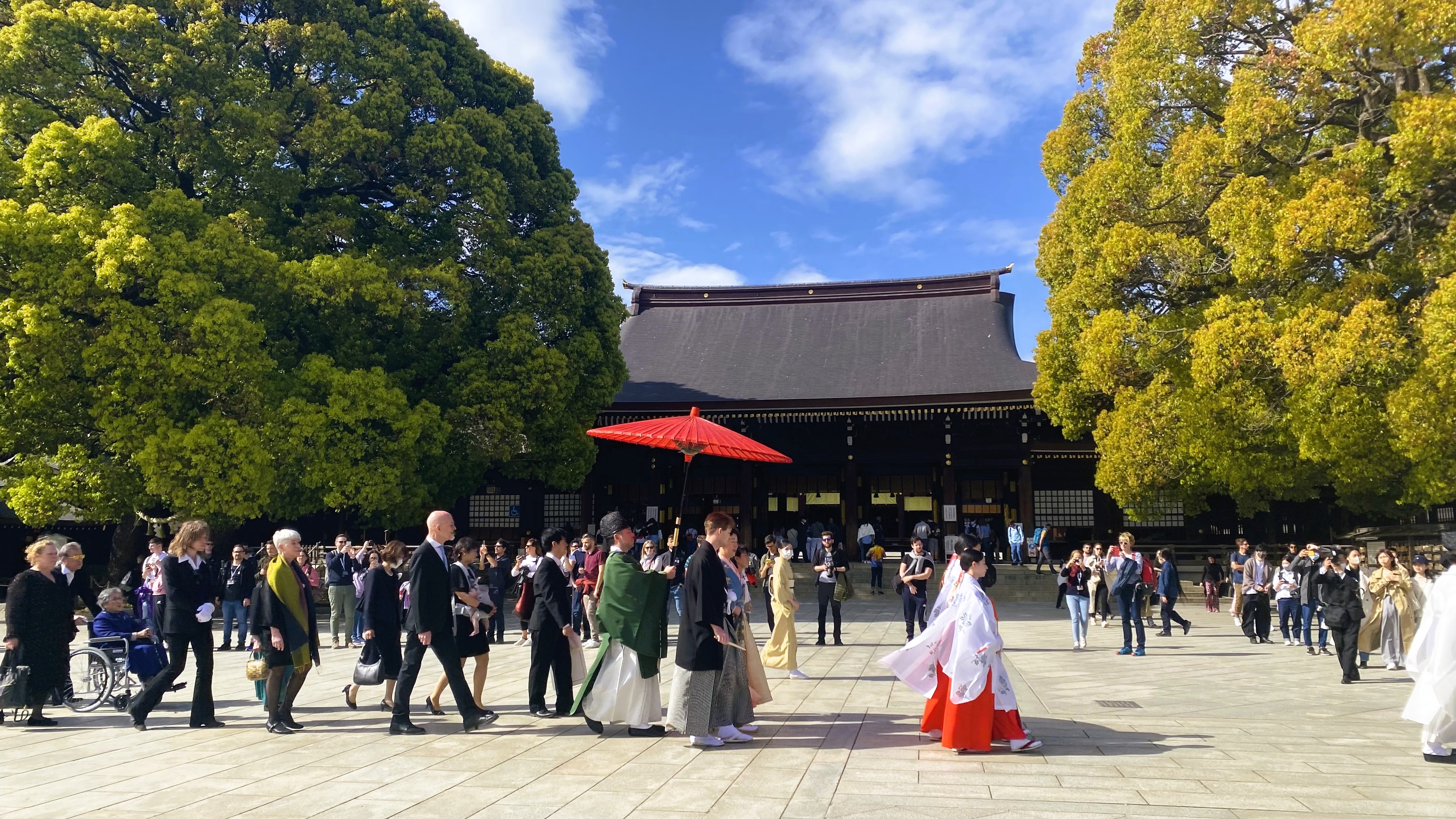
⛩️Meiji Shrine (Meiji Jingu)
Tokyo's most important Shinto shrine, set in a vast forest.
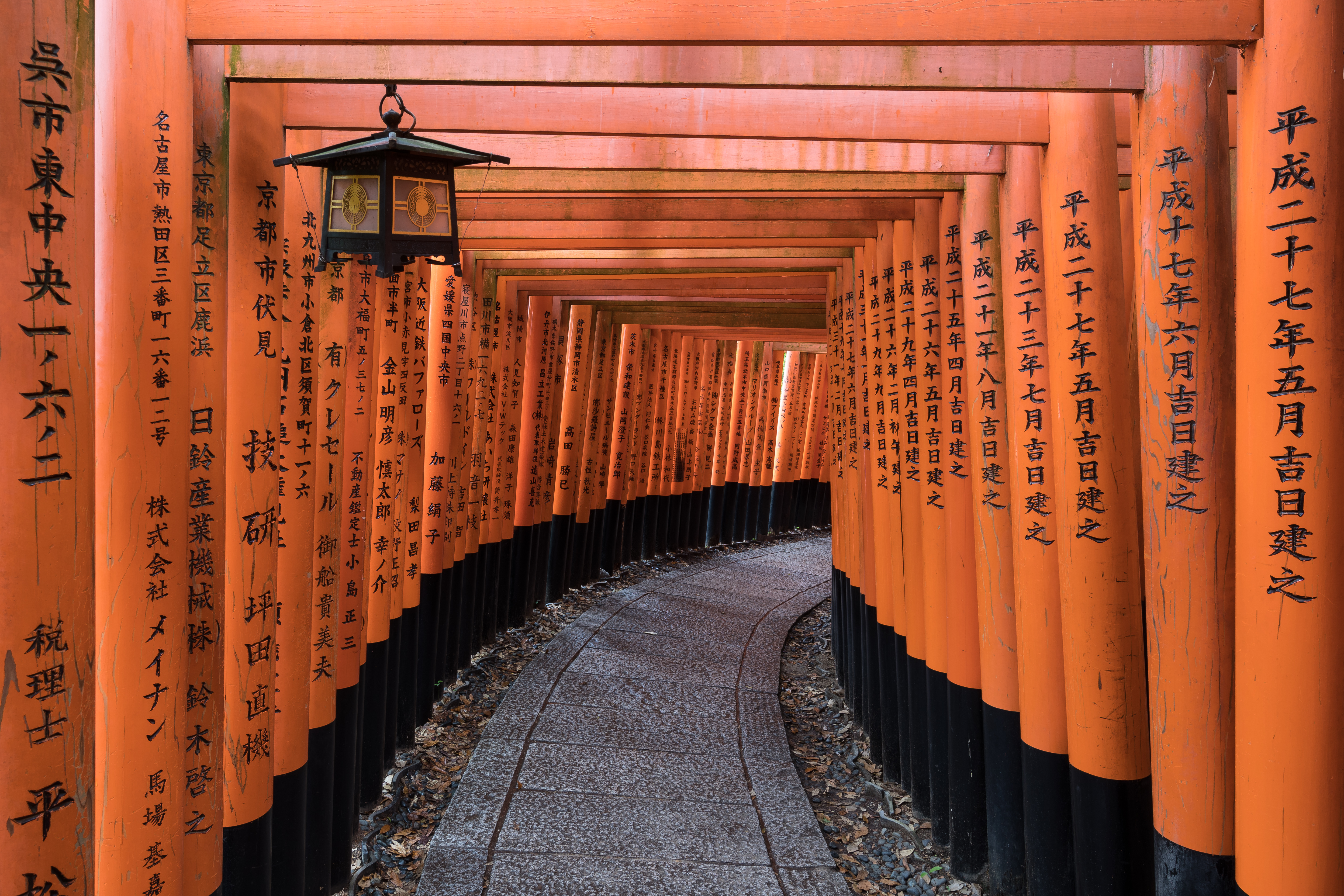
⛩️Fushimi Inari Taisha
Famous for its thousands of vermillion torii gates winding up a sacred mountain.
🕋Masjid al-Haram (Great Mosque of Mecca)
The holiest site in Islam, home of the Kaaba, and the destination for Hajj pilgrimage.