🌉 Mostar Old Bridge Area
Bosnia and Herzegovina
About This Sacred Site
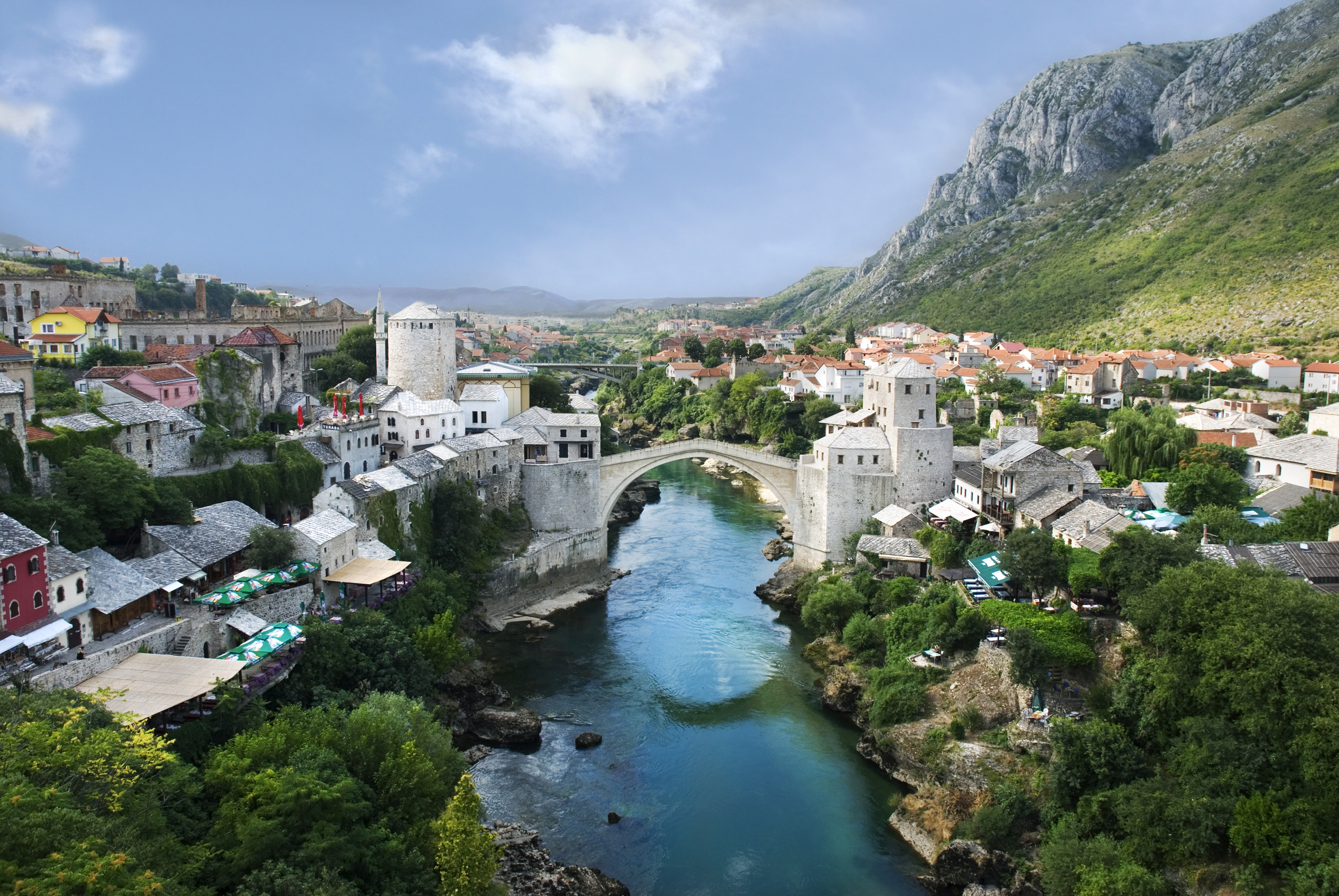
The Mostar Old Bridge Area is a UNESCO World Heritage Site centered on the iconic 16th-century Stari Most bridge, constructed in 1566 under Ottoman rule. This stone arch bridge spans the Neretva River, symbolizing the connection between diverse ethnic and religious communities in Bosnia and Herzegovina. Severely damaged during the 1990s conflict, it was meticulously reconstructed and reopened in 2004, restoring its status as a cultural emblem of reconciliation and coexistence. The area includes Ottoman-era architecture, historic houses, and religious sites representing Islamic, Orthodox, Catholic, and Jewish traditions.
History & Origins
The original bridge was constructed in 1566 under the supervision of Ottoman architect Mimar Hayruddin, a student of the famous Sinan, commissioned by Suleiman the Magnificent to connect the two sides of Mostar. It spanned the Neretva River with a single stone arch 28.7 meters long and 20 meters high, making it a marvel of Ottoman engineering. During the Bosnian War, the bridge was deliberately destroyed on November 9, 1993, severing a vital cultural and physical link. Reconstruction began in 2001 with UNESCO and international funding, using original techniques and local materials, and the bridge was reopened in 2004. The Old Bridge area includes Ottoman-era houses, mosques, and a traditional bazaar, preserved as a testament to multicultural coexistence. The site was inscribed on the UNESCO World Heritage List in 2005, recognizing its symbolic and architectural significance in bridging Eastern and Western cultures.
Spiritual Significance
The Old Bridge symbolizes the convergence of Christian and Islamic communities in Mostar, where Orthodox, Catholic, and Muslim populations have historically intermingled. The annual diving competition from the bridge, a tradition dating back to Ottoman times, coincides with the Feast of St. Elijah on July 20, blending local Christian rituals with communal celebrations. Pilgrims and visitors often engage in prayers at nearby mosques, such as the Koski Mehmed Pasha Mosque, linking the spiritual life to the bridge’s symbolism of unity. The bridge’s reconstruction after wartime destruction is seen by locals as a metaphor for reconciliation and peace, echoing Islamic teachings on forgiveness and coexistence found in the Quranic verse 49:13 about human brotherhood. The site also hosts interfaith dialogues and ceremonies that emphasize shared values from the Torah, Bible, and Quran, fostering spiritual reflection on coexistence and mutual respect.
Key Facts
- •The original bridge was built in 1566 by Ottoman architect Mimar Hayruddin
- •Destroyed during the Bosnian War in 1993 and rebuilt with international support in 2004
- •The area includes the Koski Mehmed Pasha Mosque with panoramic views of the bridge
- •Designated a UNESCO World Heritage Site in 2005
- •The annual bridge-diving competition has been held for over 450 years
Location
Coordinates: 43.3373, 17.8153
Frequently Asked Questions
What religion is Mostar Old Bridge Area associated with?▾
Mostar Old Bridge Area is a Multi-faith holy site located in Bosnia and Herzegovina. It was established 1566 and is ranked #253 in our global directory of sacred sites.
When was Mostar Old Bridge Area established?▾
Mostar Old Bridge Area dates back to 1566. The original bridge was built in 1566 by Ottoman architect Mimar Hayruddin
How many people visit Mostar Old Bridge Area each year?▾
Mostar Old Bridge Area receives approximately 800,000 visitors per year. Destroyed during the Bosnian War in 1993 and rebuilt with international support in 2004
What is Mostar Old Bridge Area known for?▾
The iconic Stari Most bridge and surrounding historic area where mosques and churches stand side by side. Visitors come seeking peace, forgiveness, ancestral connection. The area includes the Koski Mehmed Pasha Mosque with panoramic views of the bridge
Related Holy Sites
Sacred places connected by country, religion, and purpose

🌉Mostar Old Bridge Area
The iconic Ottoman bridge and surrounding sacred sites symbolizing interfaith coexistence.

🕌Gazi Husrev-beg Mosque
The principal mosque of Sarajevo and one of the finest Ottoman structures in the Balkans.
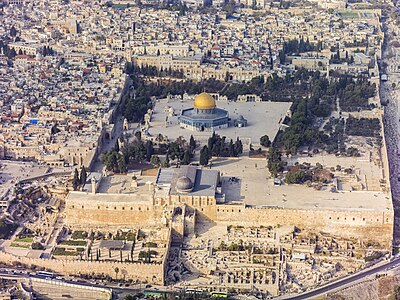
🕌Temple Mount / Al-Aqsa (Jerusalem)
Sacred to Judaism, Christianity, and Islam — the most contested holy site on Earth.
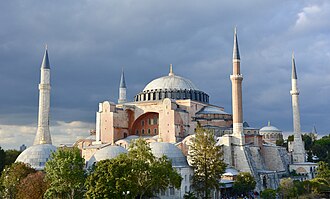
🏛️Hagia Sophia
A masterpiece that served as cathedral, mosque, and museum across centuries.