🕌 Gazi Husrev-beg Mosque
Bosnia and Herzegovina
About This Sacred Site
The Gazi Husrev-beg Mosque, built in 1531 in Sarajevo by the renowned Ottoman architect, is the largest and most significant historical mosque in Bosnia and Herzegovina. It features a large central dome, elegant minaret, and intricate interior decorations including Islamic calligraphy. The mosque remains a central place of worship and a cultural landmark, embodying the Ottoman architectural and religious legacy in the region.
History & Origins
Commissioned in 1531 by Gazi Husrev-beg, the Ottoman governor of Bosnia, the mosque was designed by a student of Mimar Sinan, the chief Ottoman architect. The mosque features a single large dome spanning 14 meters in diameter and a minaret reaching approximately 45 meters, constructed from finely cut stone and red brick. It was the first mosque globally to receive electric lighting in 1898, installed under Austro-Hungarian administration. The structure suffered significant damage during the Siege of Sarajevo in the 1990s, leading to extensive restoration completed in 2000. The mosque complex also includes a medresa (Islamic school), a hammam, and a library, all established through Husrev-beg’s waqf.
Spiritual Significance
As a center of Islamic learning and worship, the mosque hosts daily prayers (Salah) observed by the local Muslim population according to the Hanafi madhhab. It is a focal point during the holy month of Ramadan for Iftar and Tarawih prayers, attracting worshippers from across Bosnia and Herzegovina. The mosque's medresa has historically taught classical Islamic sciences, including Tafsir (Quranic exegesis) and Hadith studies, following the guidance of scholars like Imam al-Ghazali. Pilgrims often participate in Mawlid celebrations commemorating the Prophet Muhammad’s birth, reflecting the mosque’s role in promoting Sufi and Sunni traditions. The mosque’s architecture and spiritual functions embody the Ottoman Islamic heritage and its theological emphasis on community and education.
Key Facts
- •Built in 1531, designed by a student of the great architect Mimar Sinan
- •The first mosque in the world to have electric lighting, installed in 1898
- •Seriously damaged during the Siege of Sarajevo (1992–1996)
- •The mosque complex includes a madrasa, hammam, and clock tower
- •Gazi Husrev-beg's endowment is one of the oldest still-operating waqfs
Location
Coordinates: 43.8598, 18.4313
Frequently Asked Questions
What religion is Gazi Husrev-beg Mosque associated with?▾
Gazi Husrev-beg Mosque is a Islam holy site located in Bosnia and Herzegovina. It was established 1531 and is ranked #352 in our global directory of sacred sites.
When was Gazi Husrev-beg Mosque established?▾
Gazi Husrev-beg Mosque dates back to 1531. Built in 1531, designed by a student of the great architect Mimar Sinan
How many people visit Gazi Husrev-beg Mosque each year?▾
Gazi Husrev-beg Mosque receives approximately 500,000 visitors per year. The first mosque in the world to have electric lighting, installed in 1898
What is Gazi Husrev-beg Mosque known for?▾
The principal mosque of Sarajevo and one of the finest Ottoman structures in the Balkans. Visitors come seeking pilgrimage, peace, spiritual enlightenment. Seriously damaged during the Siege of Sarajevo (1992–1996)
Related Holy Sites
Sacred places connected by country, religion, and purpose

🌉Mostar Old Bridge Area
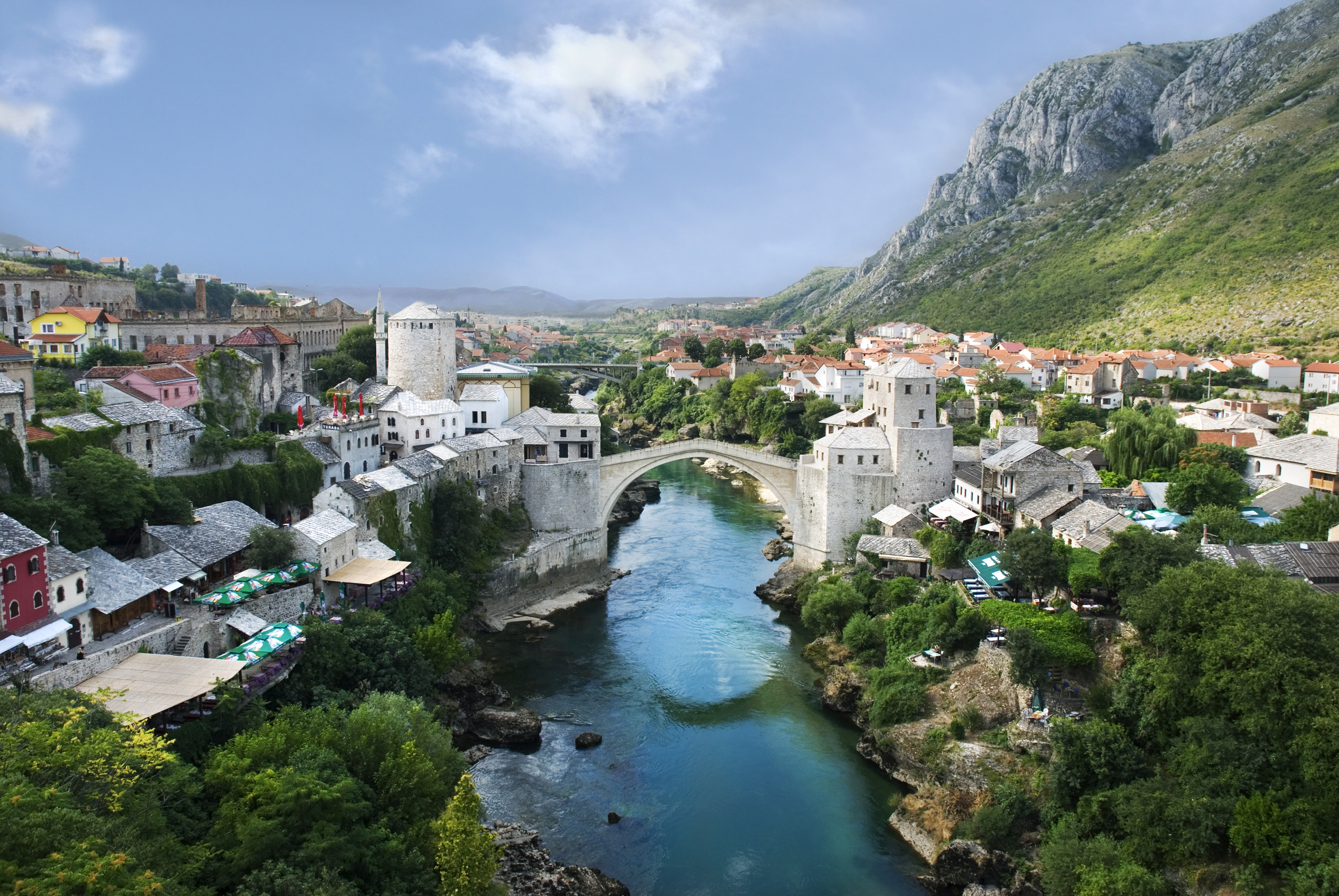
The iconic Ottoman bridge and surrounding sacred sites symbolizing interfaith coexistence.
🌉Mostar Old Bridge Area
The iconic Stari Most bridge and surrounding historic area where mosques and churches stand side by side.