🕌 Mohammad Al-Amin Mosque
Lebanon
About This Sacred Site
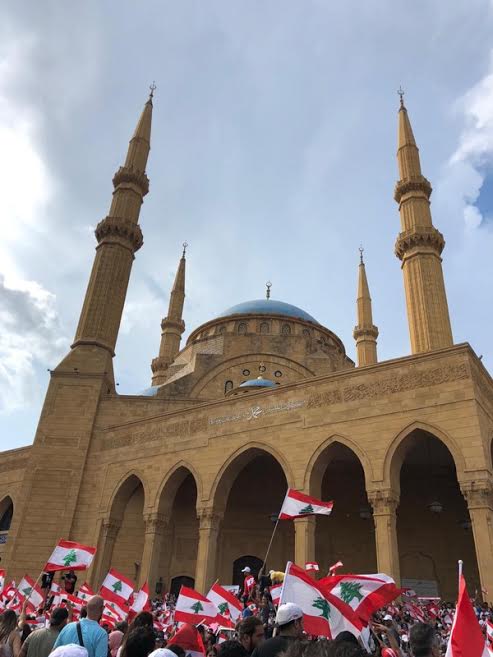
The Mohammad Al-Amin Mosque, also known as the Blue Mosque of Beirut, is a grand Sunni mosque dominating Martyrs' Square in downtown Beirut. Completed in 2008, it was built on a site where a smaller mosque had existed since 1860. The mosque features a massive blue dome, four minarets reaching 65 meters, and an interior adorned with Ottoman-inspired decoration. Standing adjacent to the Maronite St. George Cathedral, the two houses of worship side by side have become an iconic symbol of Lebanon's religious diversity.
History & Origins
The Mohammad Al-Amin Mosque was completed in 2008, constructed on the site of a former mosque dating back to 1860 that was destroyed during Lebanon's civil conflicts. Commissioned under the patronage of former Prime Minister Rafik Hariri, the mosque's construction began in 2002 and was designed to symbolize Lebanon's Islamic heritage and national unity. The mosque features four minarets, each soaring to 65 meters in height, designed in Ottoman architectural style with a prominent central blue dome measuring 48 meters in diameter. The mosque stands in Beirut's downtown district, an area reconstructed after the civil war. Adjacent to the mosque is the burial site of Rafik Hariri, who was assassinated in 2005, making the mosque not only a religious landmark but also a national memorial. Its construction involved Lebanese and international artisans, emphasizing a blend of traditional Islamic art and modern engineering. The mosque has since become a central site for Islamic worship and national commemoration in Lebanon.
Spiritual Significance
As a major Sunni Islamic site, the mosque hosts the five daily prayers and accommodates thousands during Friday Jumu'ah services, reinforcing communal worship as prescribed in the Quran (Surah Al-Baqarah 2:43). It is a focal point during Ramadan, where nightly Taraweeh prayers attract large congregations, and the Eid prayers following Ramadan and Eid al-Adha see gatherings that reflect Lebanese Sunni traditions. The mosque's design, featuring Ottoman-style calligraphy and Quranic inscriptions, serves both an educational and devotional purpose, guiding worshippers in reflection. The proximity of Rafik Hariri's tomb transforms the site into a place of both spiritual and national pilgrimage, with visitors often reciting prayers for the deceased, aligning with the Islamic practice of dua for the dead. The mosque also hosts religious lectures and Quranic recitations, fostering theological learning in accordance with Sunni jurisprudence.
Key Facts
- •Completed in 2008 on the site of an earlier 1860 mosque
- •Features four minarets each 65 meters tall
- •Former Prime Minister Rafik Hariri is buried adjacent to the mosque
- •Stands next to St. George Maronite Cathedral, symbolizing coexistence
- •The interior can accommodate 5,000 worshippers
Location
Coordinates: 33.8967, 35.5064
Frequently Asked Questions
What religion is Mohammad Al-Amin Mosque associated with?▾
Mohammad Al-Amin Mosque is a Islam holy site located in Lebanon. It was established 2008 and is ranked #815 in our global directory of sacred sites.
When was Mohammad Al-Amin Mosque established?▾
Mohammad Al-Amin Mosque dates back to 2008. Completed in 2008 on the site of an earlier 1860 mosque
How many people visit Mohammad Al-Amin Mosque each year?▾
Mohammad Al-Amin Mosque receives approximately 500,000 visitors per year. Features four minarets each 65 meters tall
What is Mohammad Al-Amin Mosque known for?▾
A monumental Sunni mosque in downtown Beirut, inspired by Ottoman architecture. Visitors come seeking peace, blessings, guidance, meditation. Former Prime Minister Rafik Hariri is buried adjacent to the mosque
Related Holy Sites
Sacred places connected by country, religion, and purpose