
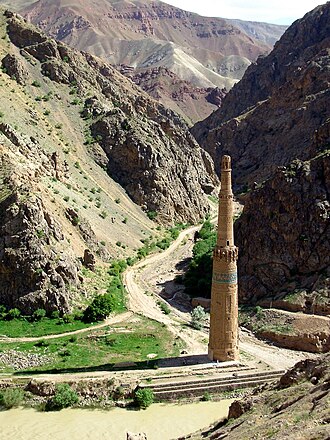
🗼 Minaret of Jam
Afghanistan
About This Sacred Site
The Minaret of Jam is a 65-meter-tall 12th-century minaret in a remote valley in western Afghanistan, a UNESCO World Heritage Site. Built by the Ghurid dynasty Sultan Ghiyath al-Din Muhammad around 1194 CE, the minaret is adorned with intricate brickwork, Kufic and Naskhi calligraphy, and turquoise-glazed tiles. It is believed to mark the location of the ancient city of Firuzkuh, the lost capital of the Ghurid Empire. The minaret's remote location and the Hari River's erosion threaten its survival.
Spiritual Significance
The Minaret of Jam, erected circa 1194 CE by Ghurid Sultan Ghiyath al-Din Muhammad, is spiritually significant as an architectural symbol of Islamic piety and the spread of Islam in Central Asia. Its inscriptions include verses from the Quran, such as Surah Al-Baqarah and Surah Al-Ankabut, reflecting its role as a monumental call to prayer and religious instruction. Historically, the minaret served as a beacon for travelers and pilgrims journeying to the nearby Ghurid capital, encouraging the observance of daily prayers and Islamic law. The structure’s towering height of 65 meters was intended to assert the dominance of Islam in the region and to inspire awe during adhan calls. While no longer used for calls to prayer due to its remote location, the minaret remains a pilgrimage site for devotees who perform ziyarat, offering prayers and recitations at its base, especially during the Islamic month of Ramadan. Its inclusion on the UNESCO World Heritage List in 2002 underscores its cultural and religious importance, while its endangered status has spurred preservation efforts that emphasize protecting this symbol of Islamic heritage and spirituality.
Key Facts
- •Stands 65 meters tall, the second-tallest ancient minaret
- •UNESCO World Heritage Site since 2002, also on the endangered list
- •Built around 1194 CE by Sultan Ghiyath al-Din Muhammad
- •May mark the site of the lost Ghurid capital Firuzkuh
- •Features intricate Kufic calligraphy and turquoise tiles
Location
Coordinates: 34.3964, 64.5158
Frequently Asked Questions
What religion is Minaret of Jam associated with?▾
Minaret of Jam is a Islam holy site located in Afghanistan. It was established c. 1194 CE and is ranked #743 in our global directory of sacred sites.
When was Minaret of Jam established?▾
Minaret of Jam dates back to c. 1194 CE. Stands 65 meters tall, the second-tallest ancient minaret
How many people visit Minaret of Jam each year?▾
Minaret of Jam receives approximately 5,000 visitors per year. UNESCO World Heritage Site since 2002, also on the endangered list
What is Minaret of Jam known for?▾
A 65-meter UNESCO-listed minaret in a remote Afghan valley, from the Ghurid dynasty. Visitors come seeking ancestral connection, spiritual enlightenment, pilgrimage, peace. Built around 1194 CE by Sultan Ghiyath al-Din Muhammad
Related Holy Sites
Sacred places connected by country, religion, and purpose
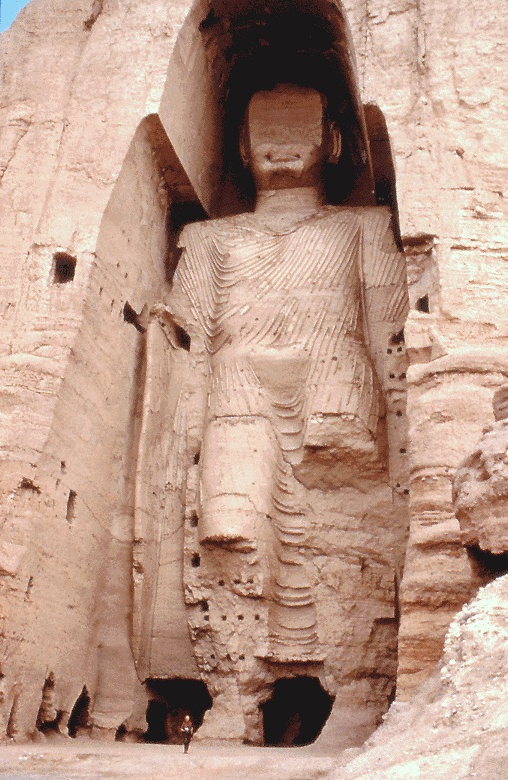
🗿Bamiyan Buddhas Site
The cliff niches where two colossal Buddha statues stood before their destruction in 2001.
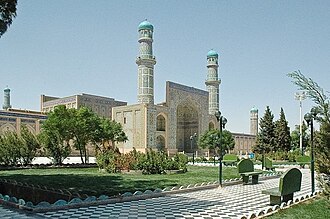
🕌Herat Friday Mosque (Masjid-i Jami)
One of Afghanistan's oldest and grandest mosques, renowned for its intricate tilework.
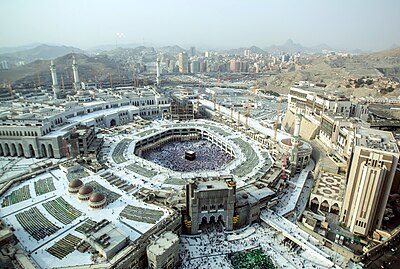
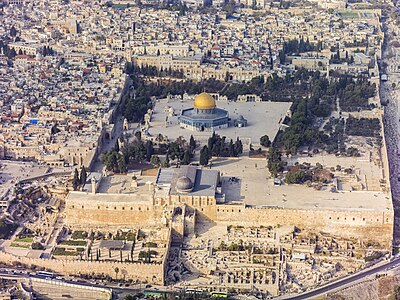
🕌Temple Mount / Al-Aqsa (Jerusalem)
Sacred to Judaism, Christianity, and Islam — the most contested holy site on Earth.
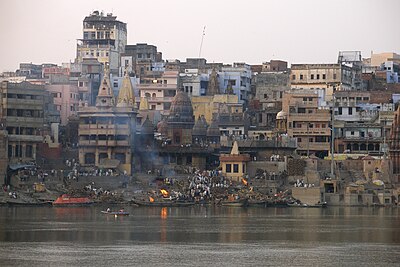
🙏Varanasi (Kashi Vishwanath Temple)
The holiest city in Hinduism, where the Ganges River purifies the soul.

