
🏔️ Meteora Monasteries
Greece
About This Sacred Site
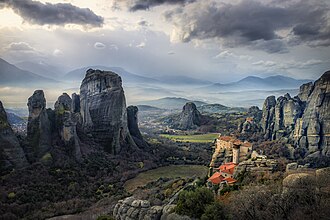
The Meteora monasteries are an extraordinary complex of Eastern Orthodox monasteries built atop massive natural sandstone pillars in central Greece. Six active monasteries remain from an original twenty-four, perched on rock towers rising up to 400 meters above the Thessalian plain. Hermit monks began inhabiting the caves in the 9th century, and the first monasteries were built in the 14th century. The monks originally accessed the summits via removable ladders and net baskets hauled up by rope and windlass, a journey that could take half an hour.
History & Origins
The first monastery at Meteora was established circa 1340 by Saint Athanasios Meteoras, who sought refuge among the towering sandstone pillars formed approximately 60 million years ago. Originally, twenty-four monasteries were constructed atop these rock formations, with only six remaining active today. The monasteries underwent significant renovations during the 16th century under Ottoman rule, reflecting their resilience and spiritual importance. Recognized as a UNESCO World Heritage Site in 1988, the complex illustrates Byzantine monastic architecture adapted to inaccessibility, with monks historically using ladders and baskets for ascent. The site served as a center for Orthodox monasticism and manuscript preservation throughout the centuries, surviving political upheavals and maintaining continuous religious function into the modern era.
Spiritual Significance
Meteora's monasteries are prominent centers for Eastern Orthodox monasticism, emphasizing asceticism and hesychasm, a mystical tradition of inner prayer rooted in the Philokalia. Monks and pilgrims participate in the Divine Liturgy celebrated daily within chapels adorned with 14th- and 15th-century frescoes depicting biblical scenes and saints. The Feast of the Transfiguration on August 6 is a major festival, reflecting the theological significance of mountain symbolism in Orthodox spirituality. Pilgrims ascend the rock pillars, some via restored wooden staircases, emulating the monastic pursuit of spiritual elevation. The monastic community follows the Rule of St. Basil, with a strong emphasis on communal prayer, fasting, and icon veneration, preserving Byzantine liturgical traditions amidst the unique geological landscape.
Key Facts
- •UNESCO World Heritage Site since 1988
- •Six active monasteries remain from an original twenty-four
- •The rock pillars were formed 60 million years ago and rise up to 400 meters
- •Monks originally ascended in net baskets pulled by rope and windlass
- •The Great Meteoron monastery, founded c. 1340, is the largest and oldest
Location
Coordinates: 39.7217, 21.6306
Frequently Asked Questions
What religion is Meteora Monasteries associated with?▾
Meteora Monasteries is a Christianity holy site located in Greece. It was established c. 1340 (first monastery) and is ranked #91 in our global directory of sacred sites.
When was Meteora Monasteries established?▾
Meteora Monasteries dates back to c. 1340 (first monastery). UNESCO World Heritage Site since 1988
How many people visit Meteora Monasteries each year?▾
Meteora Monasteries receives approximately 2 million visitors per year. Six active monasteries remain from an original twenty-four
What is Meteora Monasteries known for?▾
Byzantine monasteries perched atop towering sandstone pillars in central Greece. Visitors come seeking spiritual enlightenment, meditation, peace, pilgrimage. The rock pillars were formed 60 million years ago and rise up to 400 meters
Related Holy Sites
Sacred places connected by country, religion, and purpose
🏔️Mount Athos
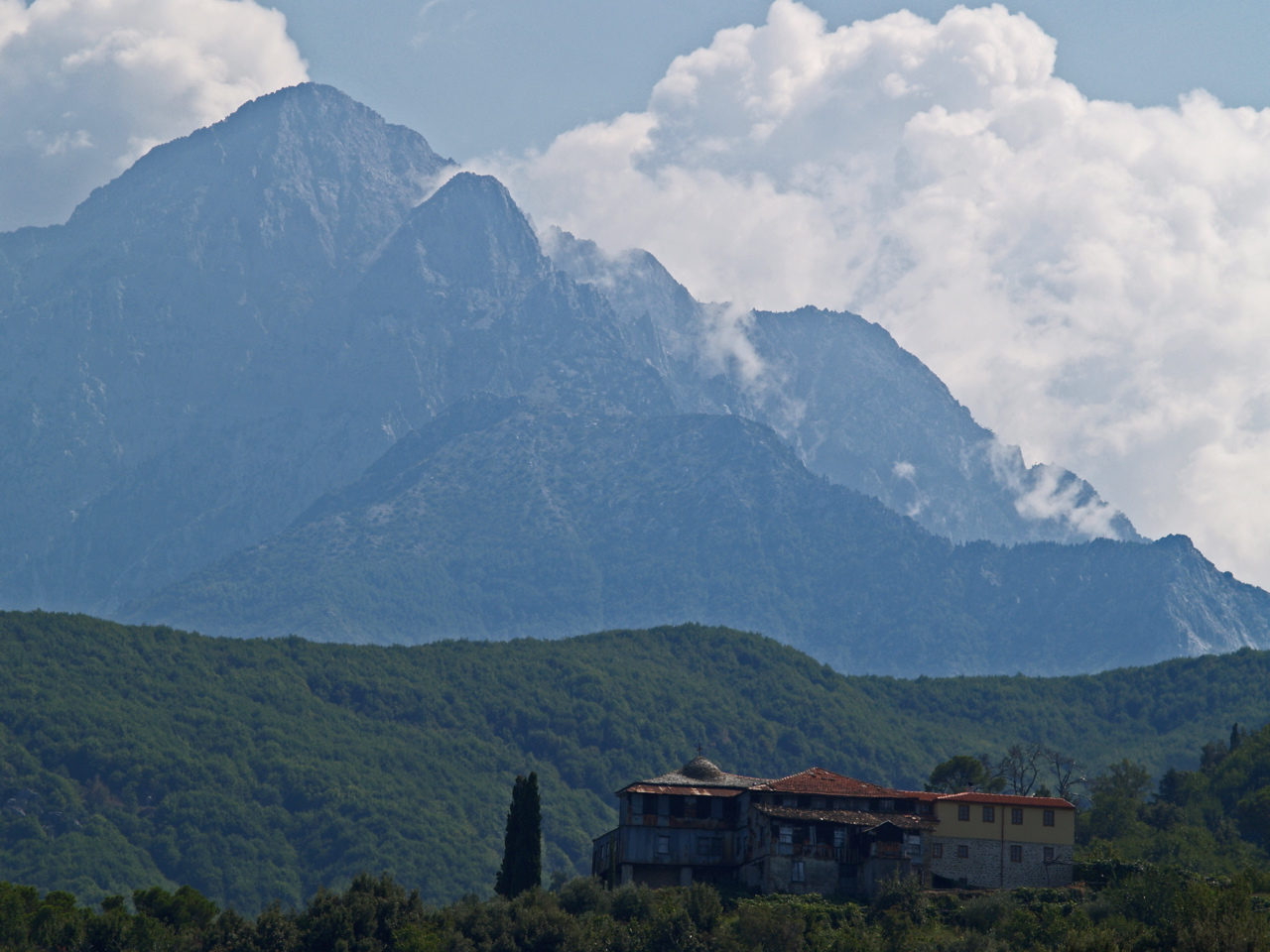
An autonomous monastic republic with 20 Eastern Orthodox monasteries.
⚡Mount Olympus
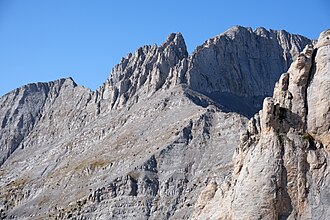
The mythical home of the Greek gods, where Zeus ruled from the summit.
⛪Vatican City (St. Peter's Basilica)
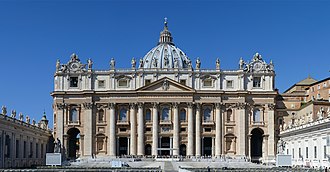
The spiritual center of Roman Catholicism and home of the Pope.
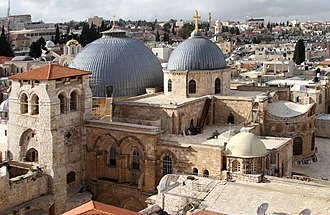
✝️Church of the Holy Sepulchre
The site where Jesus was crucified, buried, and resurrected.
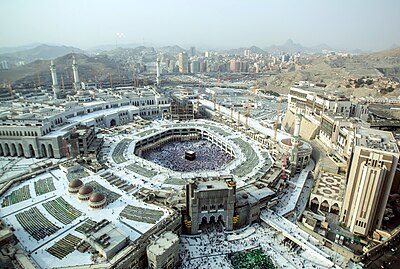
🕋Masjid al-Haram (Great Mosque of Mecca)
The holiest site in Islam, home of the Kaaba, and the destination for Hajj pilgrimage.

🕌Temple Mount / Al-Aqsa (Jerusalem)
Sacred to Judaism, Christianity, and Islam — the most contested holy site on Earth.

