
🏛️ Mbanza Kongo
Angola
About This Sacred Site
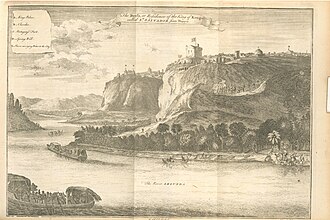
Mbanza Kongo, a UNESCO World Heritage Site, was the political and spiritual capital of the Kingdom of Kongo, one of the largest and most powerful states in pre-colonial Africa. The city became one of the first places in sub-Saharan Africa to adopt Christianity when King Nzinga a Nkuwu converted in 1491 following Portuguese contact. The ruins of the royal palace, the cathedral, and the sacred Kulumbimbi tree tell the story of a kingdom that uniquely blended Christian and traditional Kongo spiritual practices. The site remains deeply significant for Kongo peoples across Angola, DRC, and Congo.
History & Origins
Founded in the early 14th century, the city became the capital of the Kingdom of Kongo under King Lukeni lua Nimi around 1390. It was designated a UNESCO World Heritage Site in 2017 due to its archaeological and cultural significance. In 1491, under King Nzinga a Nkuwu, the kingdom embraced Christianity after the baptism by Portuguese missionaries, marking it as one of sub-Saharan Africa's first Christian kingdoms. The city hosted the Kulumbimbi palace complex, which served as the royal residence and religious center. Mbanza Kongo underwent significant Portuguese-influenced renovations in the 16th century, including the construction of stone churches. It was the site of diplomatic exchanges and religious syncretism, blending traditional Kongo beliefs with Catholicism. The city remained a political and spiritual hub until the kingdom's decline in the 18th century, and archaeological excavations continue to uncover artifacts illuminating its historical role.
Spiritual Significance
As the capital of the Kingdom of Kongo, the city was central to the kingdom's Christian identity following the royal conversion in 1491, aligning local religious practices with Catholic doctrines introduced by Portuguese missionaries. Rituals integrated indigenous beliefs with Catholic sacraments, especially baptism and the Eucharist, which were administered in churches built under royal patronage. The Kulumbimbi palace hosted ceremonies invoking ancestral spirits alongside Christian prayers, reflecting a dual spiritual governance as recorded in missionary chronicles. Pilgrims from surrounding regions visited for the Feast of Saint Anthony, celebrated on June 13, which became a major religious festival blending Kongo cosmology with Catholic liturgy. The site remains significant for contemporary descendants engaging in cultural revival and religious pilgrimages that honor both their Christian heritage and traditional spirituality.
Key Facts
- •UNESCO World Heritage Site since 2017
- •Capital of the Kingdom of Kongo from the 14th century
- •One of sub-Saharan Africa's first Christian kingdoms from 1491
- •The Kulumbimbi tree is a sacred symbol for Kongo peoples
- •The kingdom at its height controlled much of western Central Africa
Location
Coordinates: -6.2667, 14.2500
Frequently Asked Questions
What religion is Mbanza Kongo associated with?▾
Mbanza Kongo is a Multi-faith holy site located in Angola. It was established c. 14th century and is ranked #161 in our global directory of sacred sites.
When was Mbanza Kongo established?▾
Mbanza Kongo dates back to c. 14th century. UNESCO World Heritage Site since 2017
How many people visit Mbanza Kongo each year?▾
Mbanza Kongo receives approximately 20,000 visitors per year. Capital of the Kingdom of Kongo from the 14th century
What is Mbanza Kongo known for?▾
UNESCO World Heritage capital of the Kongo Kingdom, one of Africa's first Christian states. Visitors come seeking ancestral connection, pilgrimage, guidance. One of sub-Saharan Africa's first Christian kingdoms from 1491
Related Holy Sites
Sacred places connected by country, religion, and purpose
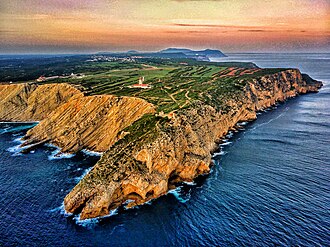
⛪Church of Nossa Senhora do Cabo
A historic Portuguese colonial church overlooking the Atlantic in Luanda.
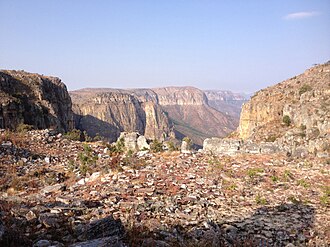
⛰️Tundavala Sacred Site
A dramatic escarpment near Lubango revered by the Nyaneka-Humbe people.
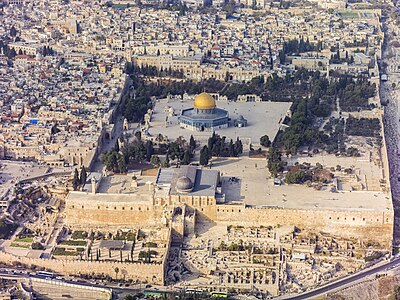
🕌Temple Mount / Al-Aqsa (Jerusalem)
Sacred to Judaism, Christianity, and Islam — the most contested holy site on Earth.
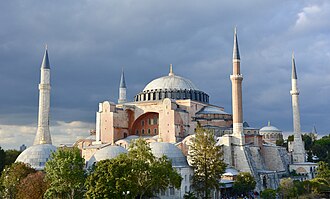
🏛️Hagia Sophia
A masterpiece that served as cathedral, mosque, and museum across centuries.
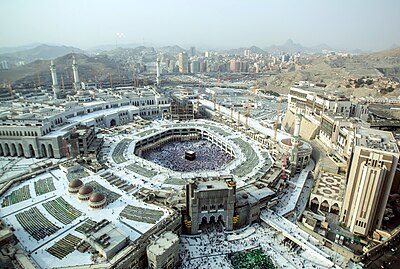
🕋Masjid al-Haram (Great Mosque of Mecca)
The holiest site in Islam, home of the Kaaba, and the destination for Hajj pilgrimage.
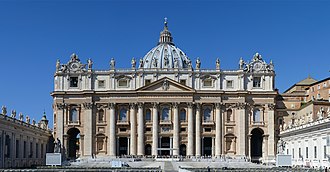
⛪Vatican City (St. Peter's Basilica)
The spiritual center of Roman Catholicism and home of the Pope.

