👑 Mausoleum of Mohammed V (Rabat)
Morocco
About This Sacred Site
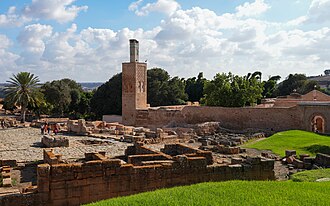
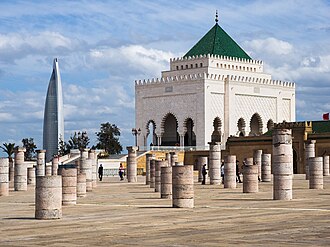
The Mausoleum of Mohammed V in Rabat is one of the finest examples of modern Moroccan architecture and a place of deep national reverence. It contains the tombs of King Mohammed V, the father of Moroccan independence, and his sons King Hassan II and Prince Abdallah. The mausoleum was designed by Vietnamese architect Vo Toan and took nine years to complete (1961-1971). The interior is breathtaking, with a carved white onyx dome, intricate zellij tilework, carved mahogany ceilings, and a floor of Italian white marble. Royal guards stand in perpetual vigil at the entrance. The building sits on the site of the incomplete Hassan Mosque, surrounded by 200 columns and the iconic Hassan Tower, an unfinished minaret from 1195.
History & Origins
The Mausoleum of Mohammed V, completed in 1971 in Rabat, is a revered Islamic monument housing the tombs of King Mohammed V, his son King Hassan II, and Prince Abdallah. Designed by Vietnamese architect Eric Vo Toan, the mausoleum exemplifies modern Moroccan architecture with traditional elements like white marble, green tiled roofs, and intricate zellij tilework. Mohammed V, who led Morocco to independence from French colonial rule in 1956, is honored here as a symbol of national unity and sovereignty. The mausoleum’s location near the Hassan Tower and the ancient Kasbah of the Udayas emphasizes its cultural significance. It serves as both a royal burial site and a pilgrimage destination, reflecting Morocco’s deep reverence for its monarchy and Islamic heritage. The site remains a focal point for national ceremonies and memorials.
Spiritual Significance
Completed in 1971 and designed by Vietnamese architect Vo Toan, the mausoleum houses the tombs of King Mohammed V and King Hassan II, symbolizing the spiritual and political continuity of modern Morocco. The interior's use of white onyx, mahogany, and Italian marble reflects traditional Islamic art symbolism associated with purity and divine light. The mausoleum is a focal point during national religious holidays such as Mawlid al-Nabi, when prayers and Quranic recitations are held to honor the Prophet Muhammad, linking the monarchy to Islamic spiritual authority. Visitors engage in ziyara (pilgrimage) rituals, including supplication and the offering of incense, practices rooted in Sufi traditions emphasizing respect for righteous leaders. The site exemplifies how Moroccan royal heritage intertwines with Islamic devotional life, reinforcing the Alaouite dynasty's legitimacy through sacred architecture and ritual.
Key Facts
- •Contains the tombs of King Mohammed V and King Hassan II
- •Designed by Vietnamese architect Vo Toan, completed in 1971
- •The interior features white onyx, mahogany, Italian marble, and zellij tilework
- •Adjacent to the Hassan Tower, an unfinished Almohad minaret from 1195
- •Royal guards stand in perpetual vigil at the entrance
Location
Coordinates: 34.0243, -6.8225
Frequently Asked Questions
What religion is Mausoleum of Mohammed V (Rabat) associated with?▾
Mausoleum of Mohammed V (Rabat) is a Islam holy site located in Morocco. It was established 1971 and is ranked #737 in our global directory of sacred sites.
When was Mausoleum of Mohammed V (Rabat) established?▾
Mausoleum of Mohammed V (Rabat) dates back to 1971. Contains the tombs of King Mohammed V and King Hassan II
How many people visit Mausoleum of Mohammed V (Rabat) each year?▾
Mausoleum of Mohammed V (Rabat) receives approximately 1+ million visitors per year. Designed by Vietnamese architect Vo Toan, completed in 1971
What is Mausoleum of Mohammed V (Rabat) known for?▾
A stunning royal mausoleum in Rabat housing the tombs of modern Morocco's founding kings. Visitors come seeking peace, blessings, ancestral connection, pilgrimage. The interior features white onyx, mahogany, Italian marble, and zellij tilework
Related Holy Sites
Sacred places connected by country, religion, and purpose