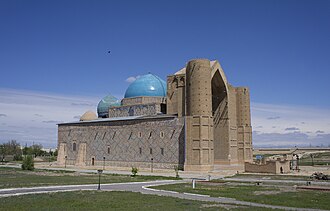
🕌 Mausoleum of Khoja Ahmed Yasawi
Kazakhstan
About This Sacred Site
The Mausoleum of Khoja Ahmed Yasawi in Turkestan, Kazakhstan, is a UNESCO World Heritage Site and one of the most important pilgrimage destinations in Central Asia. Built by Tamerlane in 1389 to replace a smaller 12th-century mausoleum, the structure was left unfinished after Tamerlane's death but remains one of the finest examples of Timurid architecture. Khoja Ahmed Yasawi was a 12th-century Sufi mystic whose teachings helped spread Islam across Central Asia. Three pilgrimages here are traditionally said to equal one Hajj to Mecca.
History & Origins
The Mausoleum of Khoja Ahmed Yasawi, located in Turkestan, Kazakhstan, was established in 1389 CE by the order of Timur (Tamerlane), the Turco-Mongol conqueror, to honor the revered Sufi poet and mystic Khoja Ahmed Yasawi (1093–1166). Yasawi was a seminal figure in the spread of Sufism in Central Asia, and his teachings deeply influenced Turkic Islam. The mausoleum is a masterpiece of Timurid architecture, notable for its massive size, intricate tile work, and innovative dome construction. Throughout centuries, it has been a significant pilgrimage site for Muslims across Central Asia. Despite periods of neglect during Soviet times, restoration efforts have preserved its grandeur. In 2003, UNESCO inscribed it as a World Heritage Site, recognizing its cultural and spiritual importance as a symbol of Islamic mysticism and Central Asian heritage.
Spiritual Significance
Commissioned by Tamerlane in 1389, this mausoleum is a UNESCO World Heritage Site since 2003 and serves as a major pilgrimage destination where making three pilgrimages is traditionally considered equivalent to performing one Hajj. The tomb honors Khoja Ahmed Yasawi, whose 12th-century Sufi teachings significantly contributed to the spread of Islam in Central Asia, with pilgrims often reciting Yasawi's poetry and engaging in Sufi rituals such as zikr and meditation. The complex features intricate Timurid tile work symbolizing Islamic cosmology and hosts annual commemorations on Yasawi's death anniversary, drawing thousands of devotees. The mausoleum’s spiritual significance is enhanced by its role as a site for seekers to receive barakah (blessings) believed to flow through the saint's relics, which aligns with the Sufi doctrine of intercession. Its vast courtyard accommodates communal prayers and gatherings, reinforcing its status as a locus of devotion and Islamic cultural heritage.
Key Facts
- •UNESCO World Heritage Site since 2003
- •Commissioned by Tamerlane in 1389
- •Three pilgrimages here traditionally equal one Hajj
- •Khoja Ahmed Yasawi helped spread Islam across Central Asia
- •The dome spans 18.2 meters, the largest in Central Asia
Location
Coordinates: 43.2981, 68.2519
Frequently Asked Questions
What religion is Mausoleum of Khoja Ahmed Yasawi associated with?▾
Mausoleum of Khoja Ahmed Yasawi is a Islam holy site located in Kazakhstan. It was established 1389 CE and is ranked #215 in our global directory of sacred sites.
When was Mausoleum of Khoja Ahmed Yasawi established?▾
Mausoleum of Khoja Ahmed Yasawi dates back to 1389 CE. UNESCO World Heritage Site since 2003
How many people visit Mausoleum of Khoja Ahmed Yasawi each year?▾
Mausoleum of Khoja Ahmed Yasawi receives approximately 500,000 visitors per year. Commissioned by Tamerlane in 1389
What is Mausoleum of Khoja Ahmed Yasawi known for?▾
A UNESCO-listed Timurid mausoleum in Turkestan, a major Sufi pilgrimage destination. Visitors come seeking pilgrimage, spiritual enlightenment, blessings, healing. Three pilgrimages here traditionally equal one Hajj
Related Holy Sites
Sacred places connected by country, religion, and purpose
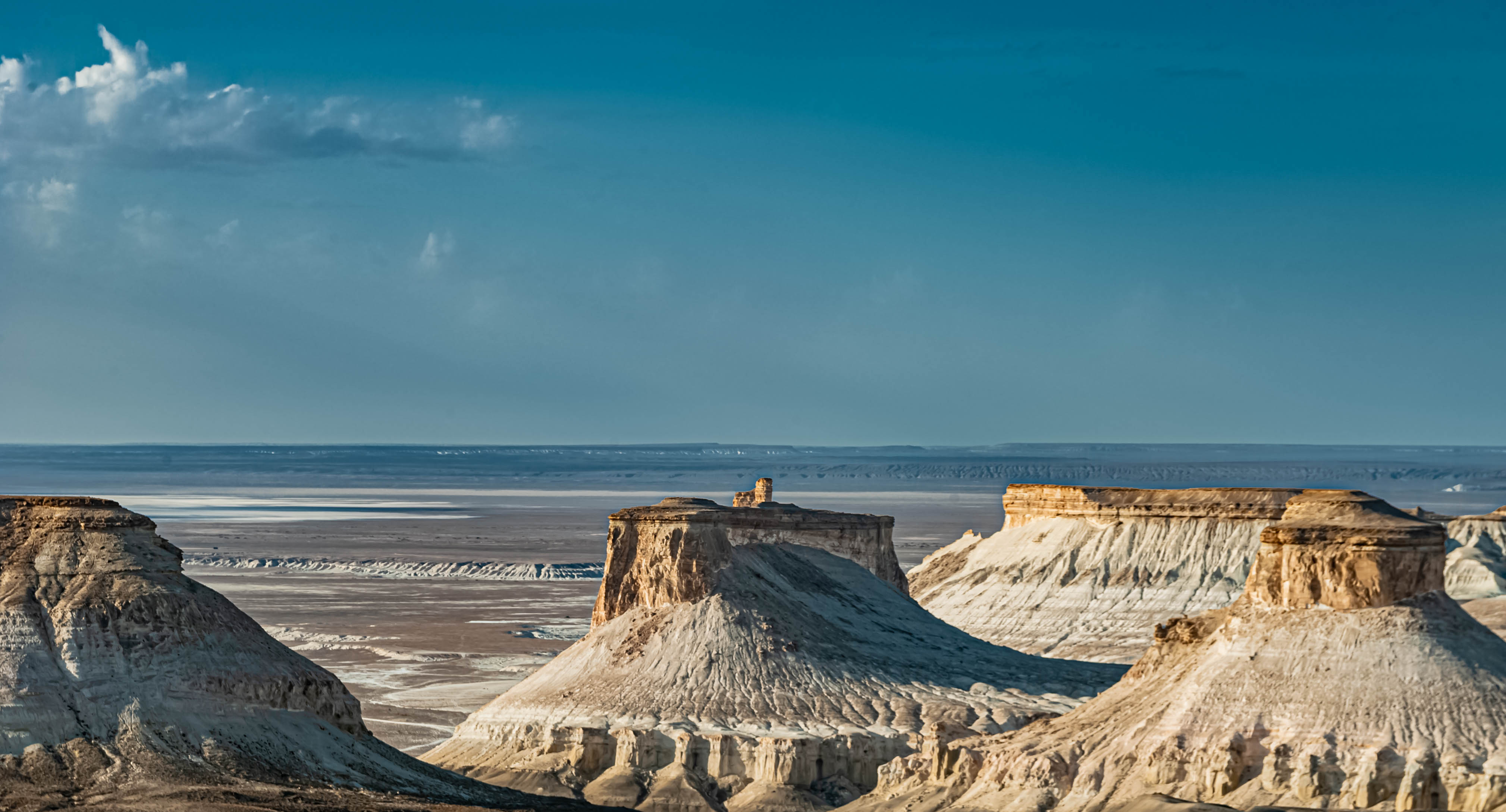
🕌Beket-Ata Underground Mosque
An underground mosque carved into a remote cliff in western Kazakhstan, a Sufi pilgrimage site.
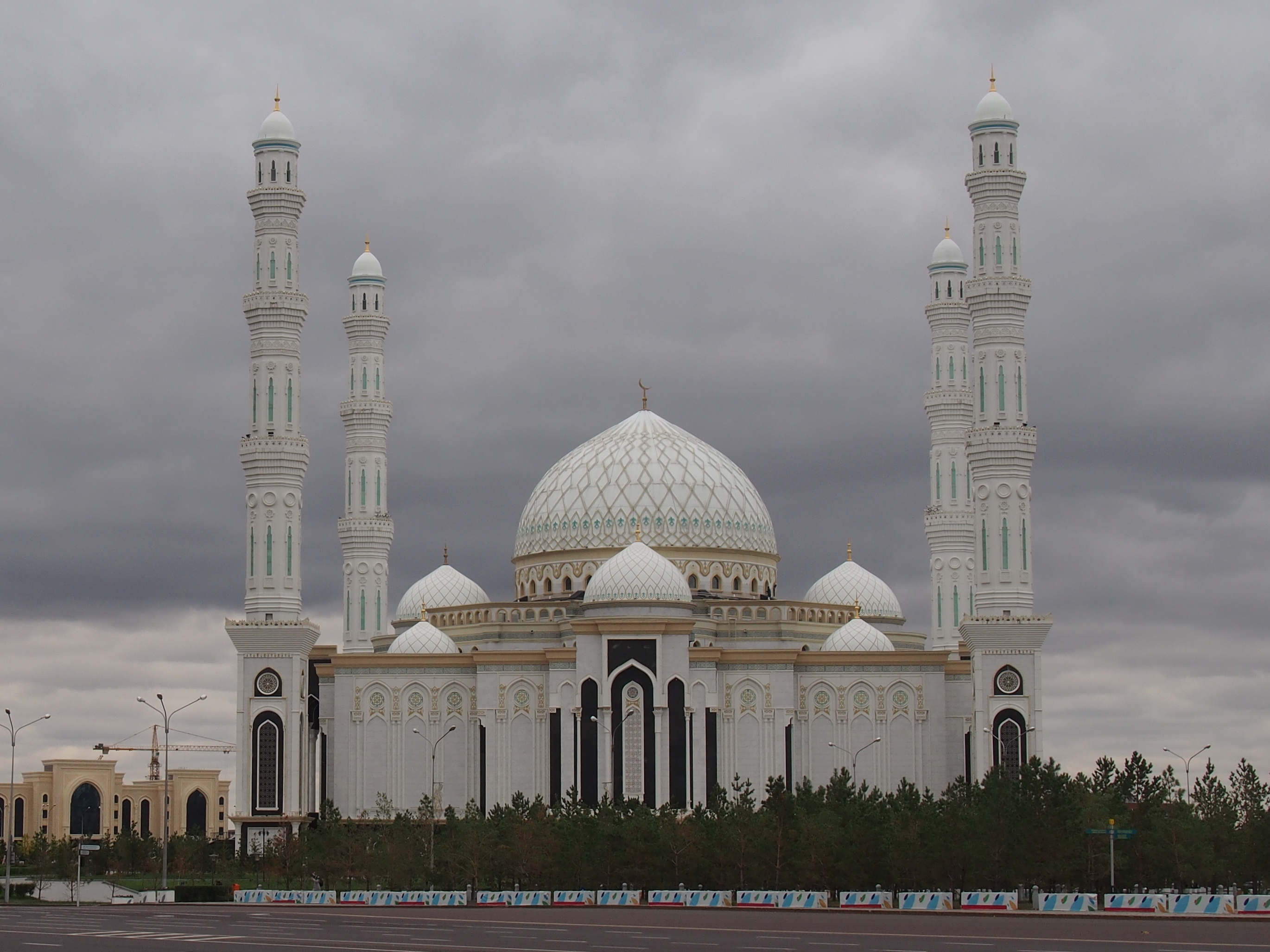
🕌Hazret Sultan Mosque
The largest mosque in Central Asia, a gleaming white structure in Kazakhstan's capital.