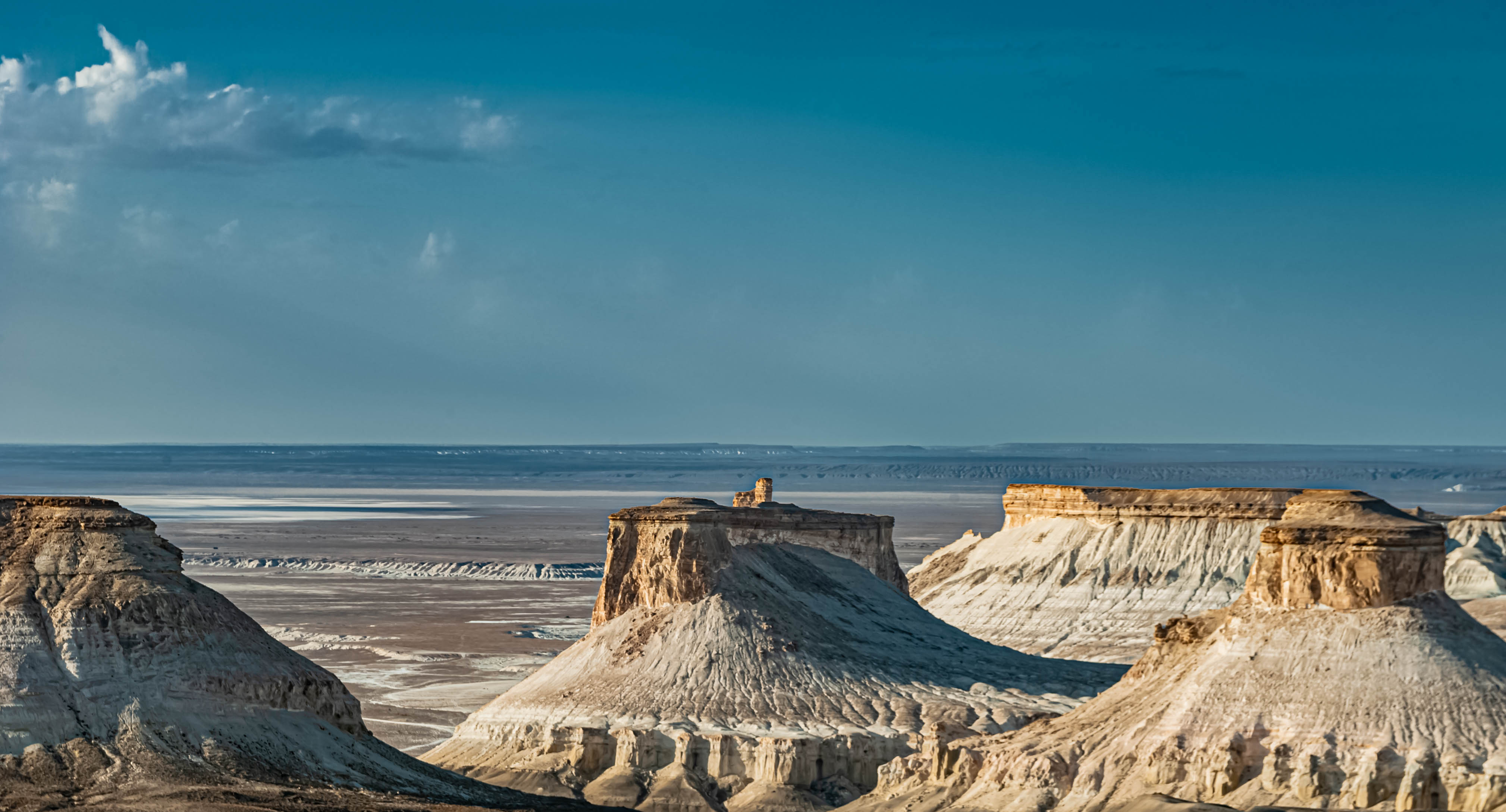
🕌 Beket-Ata Underground Mosque
Kazakhstan
About This Sacred Site
The Beket-Ata Underground Mosque is an 18th-century mosque carved into a chalk cliff in the remote Mangystau region of western Kazakhstan. Built by Beket-Ata, a Sufi mystic, warrior, and healer, the mosque consists of four rooms cut into the rock face and is accessible only after a challenging journey through the desert. Despite its remoteness, the shrine attracts thousands of pilgrims who believe in the healing power of the site. Beket-Ata is one of the most revered figures in Kazakh spiritual tradition.
History & Origins
Carved into a chalk cliff in Kazakhstan's Mangystau region during the 18th century, the underground mosque was founded by the Sufi mystic Beket-Ata, whose burial site lies within the complex. The mosque's subterranean chambers reflect traditional Central Asian rock-cut architecture designed for seclusion and spiritual retreat, accessible only after a challenging desert journey emphasizing the pilgrim's devotion. Over the centuries, the site has undergone minor restorations to preserve its chalk walls and intricate niches used for prayer, maintaining its original austere design. Despite its remote location, the mosque has remained a continuous place of worship, attracting pilgrims who honor Beket-Ata's legacy as a spiritual guide. The site is protected under Kazakhstan’s cultural heritage laws, ensuring the preservation of its unique historical and religious character.
Spiritual Significance
Beket-Ata Underground Mosque is revered for its association with the 18th-century Sufi mystic who is believed to intercede on behalf of pilgrims seeking spiritual healing and guidance. Devotees perform ritual prayers in the mosque’s quiet chambers, often bringing offerings such as candles and prayer beads, in line with local Sufi customs. The journey to the mosque itself is considered a form of spiritual purification, reflecting the Sufi ideal of renouncing worldly distractions. Annual gatherings commemorate Beket-Ata’s death, featuring collective recitations of the Quran and Sufi hymns, highlighting the site's role in preserving oral and spiritual traditions. The mosque serves as a pilgrimage destination where visitors seek barakah through proximity to the saint’s tomb, in accordance with Central Asian Sufi practices emphasizing saint veneration and mystical communion.
Key Facts
- •Carved into a chalk cliff in the remote Mangystau region
- •Built by the 18th-century Sufi mystic Beket-Ata
- •Accessible only after a challenging desert journey
- •Pilgrims believe the site has healing powers
- •Beket-Ata was a warrior, scholar, and healer
Location
Coordinates: 43.5167, 54.0833
Frequently Asked Questions
What religion is Beket-Ata Underground Mosque associated with?▾
Beket-Ata Underground Mosque is a Islam holy site located in Kazakhstan. It was established 18th century and is ranked #509 in our global directory of sacred sites.
When was Beket-Ata Underground Mosque established?▾
Beket-Ata Underground Mosque dates back to 18th century. Carved into a chalk cliff in the remote Mangystau region
How many people visit Beket-Ata Underground Mosque each year?▾
Beket-Ata Underground Mosque receives approximately 100,000 visitors per year. Built by the 18th-century Sufi mystic Beket-Ata
What is Beket-Ata Underground Mosque known for?▾
An underground mosque carved into a remote cliff in western Kazakhstan, a Sufi pilgrimage site. Visitors come seeking pilgrimage, healing, meditation, spiritual enlightenment. Accessible only after a challenging desert journey
Related Holy Sites
Sacred places connected by country, religion, and purpose
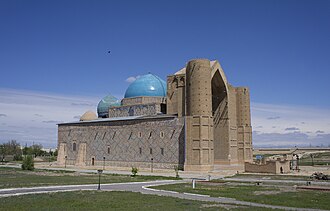
🕌Mausoleum of Khoja Ahmed Yasawi
A UNESCO-listed Timurid mausoleum in Turkestan, a major Sufi pilgrimage destination.
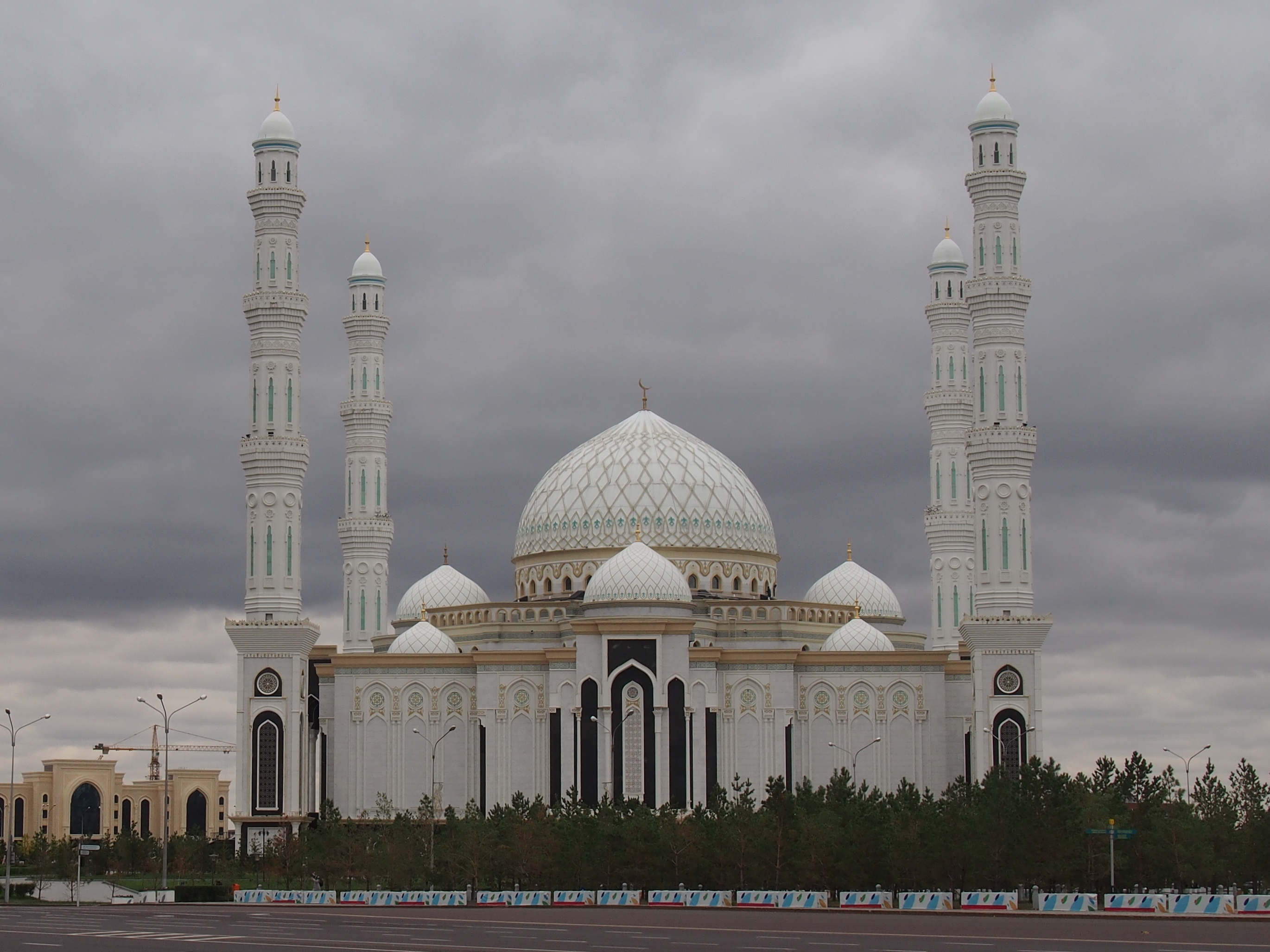
🕌Hazret Sultan Mosque
The largest mosque in Central Asia, a gleaming white structure in Kazakhstan's capital.