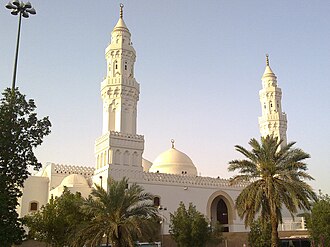
🕌 Masjid al-Qiblatayn (Mosque of the Two Qiblas)
Saudi Arabia
About This Sacred Site
Masjid al-Qiblatayn ('Mosque of the Two Qiblas') in Medina is historically significant as the place where Prophet Muhammad received a divine command during prayer to change the direction of prayer (qibla) from Jerusalem to Mecca in 624 CE. This momentous event, mentioned in the Quran, established the Kaaba in Mecca as the permanent direction of Islamic prayer. The mosque originally had two mihrabs (prayer niches) — one pointing to Jerusalem and one to Mecca — though only the Meccan mihrab remains after renovations. The change of qibla is considered one of the most significant events in early Islam.
Spiritual Significance
Located in Medina, the mosque was established in 624 CE by Prophet Muhammad himself, marking the historic moment when he received the divine command to change the qibla (direction of prayer) from Jerusalem to the Kaaba in Mecca, a decision documented in the Quran in Surah Al-Baqarah (2:144). The mosque's name, meaning "Mosque of the Two Qiblas," reflects its unique architectural feature where two mihrabs (prayer niches) remain: one facing Jerusalem and the other Mecca, symbolizing this pivotal shift in Islamic ritual practice. The event took place roughly two years after the Hijra (622 CE), signifying a defining moment in Muslim identity and worship orientation. Annual commemorations of this change, especially during Ramadan and the Islamic month of Rabi' al-Awwal, include congregational prayers and sermons emphasizing the theological implications of qibla unification. Pilgrims visiting Medina during Hajj or Umrah often include this mosque in their itinerary to reflect on the evolution of Islamic worship. The mosque has undergone several renovations, notably during the Ottoman period and expanded in the 20th century by Saudi King Abdulaziz Al Saud, increasing its capacity to accommodate thousands of worshippers. Its white marble floors and minarets, along with inscriptions of Quranic verses related to prayer direction, highlight its spiritual and historical significance. The site embodies the dynamic nature of Islamic practice and the Prophet's role in guiding the community through divine revelation.
Key Facts
- •Where Prophet Muhammad received the command to change the prayer direction from Jerusalem to Mecca
- •The event occurred in 624 CE, about two years after the Hijra
- •Originally had two mihrabs pointing to both Jerusalem and Mecca
- •The change of qibla is referenced in Surah Al-Baqarah of the Quran
- •Extensively renovated in 1987, retaining only the Meccan-facing mihrab
Location
Coordinates: 24.4806, 39.5922
Frequently Asked Questions
What religion is Masjid al-Qiblatayn (Mosque of the Two Qiblas) associated with?▾
Masjid al-Qiblatayn (Mosque of the Two Qiblas) is a Islam holy site located in Saudi Arabia. It was established 624 CE and is ranked #424 in our global directory of sacred sites.
When was Masjid al-Qiblatayn (Mosque of the Two Qiblas) established?▾
Masjid al-Qiblatayn (Mosque of the Two Qiblas) dates back to 624 CE. Where Prophet Muhammad received the command to change the prayer direction from Jerusalem to Mecca
How many people visit Masjid al-Qiblatayn (Mosque of the Two Qiblas) each year?▾
Masjid al-Qiblatayn (Mosque of the Two Qiblas) receives approximately 1+ million visitors per year. The event occurred in 624 CE, about two years after the Hijra
What is Masjid al-Qiblatayn (Mosque of the Two Qiblas) known for?▾
The mosque where the direction of Islamic prayer was changed from Jerusalem to Mecca. Visitors come seeking pilgrimage, guidance, blessings, peace. Originally had two mihrabs pointing to both Jerusalem and Mecca
Related Holy Sites
Sacred places connected by country, religion, and purpose
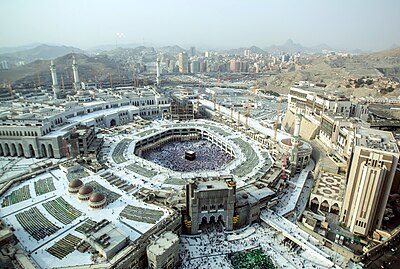
🕋Masjid al-Haram (Great Mosque of Mecca)
The holiest site in Islam, home of the Kaaba, and the destination for Hajj pilgrimage.
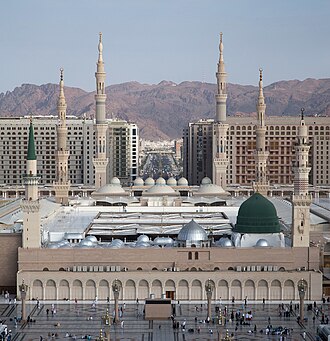
🕌Al-Masjid an-Nabawi (Prophet's Mosque)
The second holiest mosque in Islam, containing the tomb of Prophet Muhammad.