🏰 Masada
Israel
About This Sacred Site
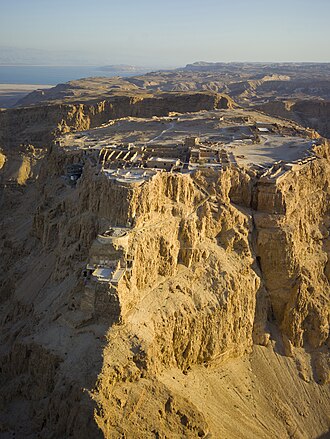
Masada is an ancient fortress on a dramatic plateau overlooking the Dead Sea, famous as the site of the last stand of Jewish rebels against Rome in 73 CE. After the fall of Jerusalem in 70 CE, nearly 1,000 Jewish Zealots held out atop Masada for three years. When the Romans finally breached the walls, the defenders chose to die by their own hands rather than become slaves. This act of defiance became a powerful symbol of Jewish resistance and national identity, and Israeli soldiers once took their oath atop Masada with the phrase 'Masada shall not fall again.' King Herod originally built the fortress around 37-31 BCE, and his palaces, bathhouses, and water system remain remarkably preserved.
History & Origins
Masada was constructed around 37 BCE as a desert fortress by King Herod the Great, featuring extensive palaces and storerooms adapted to the arid environment. The site is historically renowned for the siege in 73 CE when nearly 1,000 Jewish Zealots chose mass suicide over capture by the Romans following the First Jewish-Roman War. Archaeological remains include the partially preserved Roman siege ramp built by enslaved Jewish captives, which remains visible on the western slope. Herod engineered an elaborate water cistern system to sustain inhabitants during prolonged sieges, demonstrating advanced engineering for the period. The fortress's strategic location on a plateau overlooking the Dead Sea made it a natural stronghold. The Israeli government designated Masada a national park in the 1960s, and it was declared a UNESCO World Heritage Site in 2001.
Spiritual Significance
Masada symbolizes Jewish resistance and the valorization of freedom and faith over subjugation, commemorated annually during Israel’s national Holocaust Remembrance Day with a torch-lighting ceremony at the site. The narrative of the Zealots’ last stand is rooted in Josephus Flavius’s "The Jewish War," which informs contemporary Israeli identity and religious reflection on martyrdom and sanctity of life. Pilgrims and visitors ascend the Snake Path at dawn to witness the sunrise from the plateau, a ritual reinforcing themes of renewal and resilience. The site also holds significance in Jewish liturgy and nationalist thought as a symbol of divine protection and the enduring spirit of the Jewish people. Educational tours often include readings from biblical texts and Jewish historical accounts, linking Masada’s legacy to broader theological discussions on faith and perseverance.
Key Facts
- •Nearly 1,000 Jewish Zealots chose death over Roman slavery in 73 CE
- •The Roman siege ramp, built by enslaved Jewish captives, is still visible today
- •King Herod built an engineering marvel with cisterns holding 40,000 cubic meters of water
- •UNESCO World Heritage Site since 2001
- •Israeli soldiers once took their oath here: 'Masada shall not fall again'
Location
Coordinates: 31.3156, 35.3536
Frequently Asked Questions
What religion is Masada associated with?▾
Masada is a Judaism holy site located in Israel. It was established c. 37 BCE (Herod's fortress) and is ranked #135 in our global directory of sacred sites.
When was Masada established?▾
Masada dates back to c. 37 BCE (Herod's fortress). Nearly 1,000 Jewish Zealots chose death over Roman slavery in 73 CE
How many people visit Masada each year?▾
Masada receives approximately 800,000 visitors per year. The Roman siege ramp, built by enslaved Jewish captives, is still visible today
What is Masada known for?▾
A clifftop fortress where Jewish zealots made their last stand against Rome in 73 CE. Visitors come seeking protection, ancestral connection, pilgrimage, spiritual enlightenment. King Herod built an engineering marvel with cisterns holding 40,000 cubic meters of water
Related Holy Sites
Sacred places connected by country, religion, and purpose