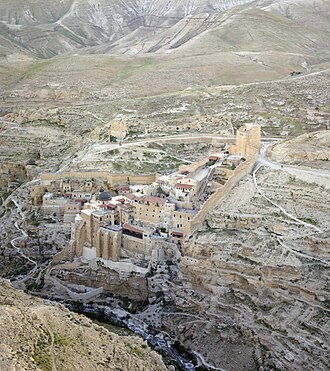
⛪ Mar Saba Monastery (viewed from Palestinian territory)
Palestine
About This Sacred Site
Mar Saba (Holy Lavra of Saint Sabbas) is one of the oldest continuously inhabited monasteries in the world, clinging to the cliff face of the Kidron Valley in the Judean Desert. Founded in 483 CE by Saint Sabbas the Sanctified, the monastery has maintained an unbroken tradition of prayer and monastic life for over 1,500 years. The blue-domed complex cascading down the cliff face is one of the most dramatic architectural sights in the Holy Land. The monastery has been a center of Eastern Orthodox monasticism and theological writing, and it played a crucial role in developing the liturgical practices still used by Orthodox churches today. Women are traditionally not permitted to enter.
Spiritual Significance
Founded in 483 CE by Saint Sabbas the Sanctified, the monastery is one of the oldest continuously inhabited Christian monastic communities, exemplifying Eastern Orthodox ascetic traditions. Perched on the cliffs of the Kidron Valley, its remote location facilitates the eremitic life central to its spiritual practice, focusing on prayer, fasting, and liturgical worship according to the Byzantine rite. The monastery has preserved unbroken cycles of prayer since its founding, including the daily chanting of the Psalms and the celebration of the Divine Liturgy. Pilgrims often visit during feast days such as the Elevation of the Holy Cross and the feast of Saint Sabbas on December 5, joining monks in processions and veneration of relics. The complex's architecture, with chapels and cells integrated into the rocky terrain, embodies the monastic ideal of withdrawal from the world while maintaining communal worship. The monastery also holds significant manuscripts and icons, contributing to its role as a spiritual and cultural repository within Palestinian Christianity.
Key Facts
- •One of the oldest continuously inhabited monasteries in the world, founded in 483 CE
- •Clings dramatically to the cliff face of the Kidron Valley
- •Has maintained unbroken prayer and monastic life for over 1,500 years
- •Played a crucial role in developing Eastern Orthodox liturgical practices
- •Women are traditionally not permitted to enter the monastery
Location
Coordinates: 31.7050, 35.3308
Frequently Asked Questions
What religion is Mar Saba Monastery (viewed from Palestinian territory) associated with?▾
Mar Saba Monastery (viewed from Palestinian territory) is a Christianity holy site located in Palestine. It was established 483 CE and is ranked #500 in our global directory of sacred sites.
When was Mar Saba Monastery (viewed from Palestinian territory) established?▾
Mar Saba Monastery (viewed from Palestinian territory) dates back to 483 CE. One of the oldest continuously inhabited monasteries in the world, founded in 483 CE
How many people visit Mar Saba Monastery (viewed from Palestinian territory) each year?▾
Mar Saba Monastery (viewed from Palestinian territory) receives approximately 50,000 visitors per year. Clings dramatically to the cliff face of the Kidron Valley
What is Mar Saba Monastery (viewed from Palestinian territory) known for?▾
A dramatic cliff-face monastery in the Judean Desert, one of the oldest inhabited monasteries. Visitors come seeking meditation, peace, spiritual enlightenment, pilgrimage. Has maintained unbroken prayer and monastic life for over 1,500 years
Related Holy Sites
Sacred places connected by country, religion, and purpose
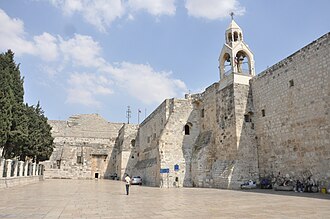
⭐Church of the Nativity
Built over the cave where Jesus Christ is believed to have been born.
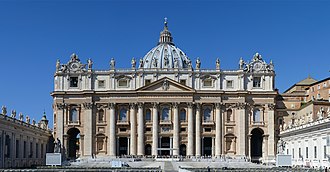
⛪Vatican City (St. Peter's Basilica)
The spiritual center of Roman Catholicism and home of the Pope.
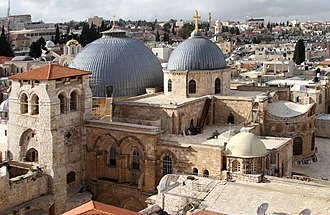
✝️Church of the Holy Sepulchre
The site where Jesus was crucified, buried, and resurrected.