🙏 Manakamana Temple
Nepal
About This Sacred Site
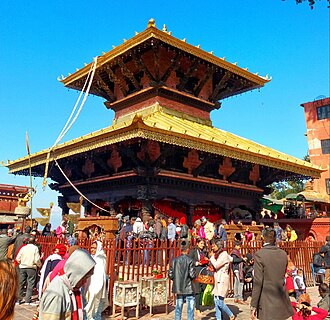
Manakamana Temple sits atop a ridge in the Gorkha district, dedicated to Bhagwati, the Hindu goddess believed to fulfill the wishes of her devotees. The temple is one of Nepal's most popular pilgrimage destinations, especially for newlywed couples seeking blessings. Since 1998, a cable car transports pilgrims 2.8 kilometers over the dramatic Trisuli River gorge to the temple, replacing what was once a grueling three-hour hike. Animal sacrifices are still performed at the temple, particularly during the Dashain festival, as offerings of gratitude when wishes are fulfilled.
History & Origins
Constructed in the 17th century CE, Manakamana Temple is dedicated to Bhagwati, an incarnation of Parvati, reflecting the site's long-standing Shakti worship tradition. Historical records attribute the temple's foundation to King Ram Shah and Queen Kantavati Devi, with oral histories linking it to a local legend of a priest's mystical vision. The modern cable car, installed in 1998, revolutionized pilgrim access by spanning 2.8 kilometers over the Trisuli River gorge, replacing the arduous mountain trek. Renovations in the mid-20th century reinforced the temple’s stone and wood structure, preserving its traditional Newari architectural elements. The temple survived the 2015 Nepal earthquake with minor damages, leading to restoration efforts supported by local communities and the government. Manakamana's evolving infrastructure reflects both its ancient religious significance and adaptation to contemporary pilgrimage needs.
Spiritual Significance
Dedicated to Bhagwati as the wish-fulfilling goddess, the temple attracts devotees who perform the ritual of offering red vermilion powder and red cloth, symbolizing fertility and power. The annual Dashain festival, especially the ninth day called Navaratri, sees thousands of pilgrims seeking blessings for prosperity and protection from evil. The temple's tantric rituals involve priestly chants from the Shakta Agamas, invoking the goddess's energy to fulfill devotees’ wishes. Pilgrims customarily ascend via the cable car and circumambulate the sanctum sanctorum thrice while reciting mantras specific to Parvati’s manifestation as Manakamana. The site is also linked with oral traditions recounting Goddess Bhagwati’s intervention during historic local conflicts, reinforcing its role as a protector deity. The temple’s spiritual prominence is underscored by its reputation as a locus for wish fulfillment, drawing believers from across Nepal and India.
Key Facts
- •Dedicated to Bhagwati, the wish-fulfilling form of the Hindu goddess Parvati
- •A cable car built in 1998 carries pilgrims 2.8 km over the Trisuli River gorge
- •Especially popular with newlywed couples seeking blessings for their marriage
- •Animal sacrifices are offered when devotees' wishes are fulfilled
- •Located in the Gorkha district, historically linked to Nepal's unification
Location
Coordinates: 27.9500, 84.5833
Frequently Asked Questions
What religion is Manakamana Temple associated with?▾
Manakamana Temple is a Hinduism holy site located in Nepal. It was established c. 17th century CE and is ranked #374 in our global directory of sacred sites.
When was Manakamana Temple established?▾
Manakamana Temple dates back to c. 17th century CE. Dedicated to Bhagwati, the wish-fulfilling form of the Hindu goddess Parvati
How many people visit Manakamana Temple each year?▾
Manakamana Temple receives approximately 500,000+ visitors per year. A cable car built in 1998 carries pilgrims 2.8 km over the Trisuli River gorge
What is Manakamana Temple known for?▾
A hilltop temple to the wish-fulfilling goddess, accessible by cable car over a dramatic gorge. Visitors come seeking blessings, fertility, prosperity, guidance. Especially popular with newlywed couples seeking blessings for their marriage
Related Holy Sites
Sacred places connected by country, religion, and purpose