🏠 Holy House of Loreto
Italy
About This Sacred Site
The Basilica della Santa Casa in Loreto houses what tradition claims is the Holy House of the Virgin Mary, the actual house from Nazareth where the Annunciation occurred. According to legend, angels transported the house from Nazareth to Loreto in 1294 to save it from destruction. The modest stone structure is now encased in an ornate marble screen designed by Bramante. Loreto has been one of Catholicism's most important pilgrimage sites for over 700 years and is the patron shrine of aviators, due to the tradition of the house's aerial transport.
History & Origins
The Basilica della Santa Casa in Loreto is traditionally believed to house the Holy House, the Virgin Mary's Nazareth home, miraculously transported to Italy in 1294. The basilica was constructed to enclose this sacred structure, beginning in the late 15th century with Renaissance and Gothic architectural elements. The site became a major pilgrimage destination throughout Europe, celebrated for its connection to the Annunciation. Over centuries, the basilica was expanded and richly decorated, including works by artists like Bramante and Pomarancio, symbolizing Marian devotion and the sanctity of the Holy House.
Spiritual Significance
The Holy House of Loreto, traditionally believed to have been miraculously transported by angels from Nazareth to Loreto in 1294, serves as a focal point for Marian devotion across Italy and beyond. The pilgrimage ritual often includes circumnavigating the marble-encased stone walls of the house, which are said to be the original home of the Virgin Mary and the site of the Annunciation described in Luke 1:26-38. The house's status as patron of aviators stems from this legendary flight, celebrated annually on September 10 with a special Mass and blessings of aircraft. The sanctuary houses the miraculous image of the Black Madonna of Loreto, drawing thousands who seek intercession for safe travel and protection. The marble casing, completed during the Renaissance, protects the original stones and features intricate reliefs illustrating biblical scenes, enhancing theological reflection on the Incarnation. Pilgrim practices include lighting candles and participating in the Rosary prayers in the adjoining basilica, emphasizing Catholic teachings on Mary’s role in salvation history.
Key Facts
- •Tradition holds that angels flew the Holy House from Nazareth to Loreto in 1294
- •The Holy House is patron of aviators due to the legend of its flight
- •The marble casing around the house was designed by Bramante
- •Archaeological analysis confirms the stones are consistent with materials from Nazareth
- •The shrine is the most visited Marian pilgrimage site in Italy
Location
Coordinates: 43.4407, 13.6084
Frequently Asked Questions
What religion is Holy House of Loreto associated with?▾
Holy House of Loreto is a Christianity holy site located in Italy. It was established 1294 (traditional arrival) and is ranked #438 in our global directory of sacred sites.
When was Holy House of Loreto established?▾
Holy House of Loreto dates back to 1294 (traditional arrival). Tradition holds that angels flew the Holy House from Nazareth to Loreto in 1294
How many people visit Holy House of Loreto each year?▾
Holy House of Loreto receives approximately 4 million visitors per year. The Holy House is patron of aviators due to the legend of its flight
What is Holy House of Loreto known for?▾
A basilica enclosing the Holy House of the Virgin Mary, miraculously transported from Nazareth according to tradition. Visitors come seeking miracles, pilgrimage, protection, blessings. The marble casing around the house was designed by Bramante
Related Holy Sites
Sacred places connected by country, religion, and purpose
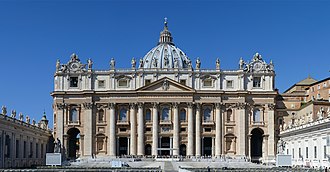
⛪Vatican City (St. Peter's Basilica)
The spiritual center of Roman Catholicism and home of the Pope.
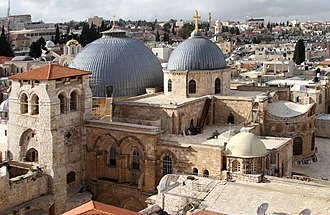
✝️Church of the Holy Sepulchre
The site where Jesus was crucified, buried, and resurrected.