📖 Lindisfarne (Holy Island)
United Kingdom
About This Sacred Site
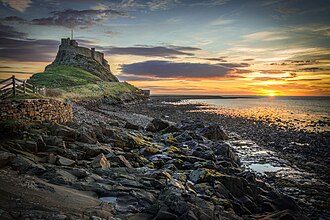
Lindisfarne, or Holy Island, is a tidal island off the coast of Northumbria that was one of the most important centers of early English Christianity. St. Aidan founded a monastery here in 634 CE, and it became the base from which much of northern England was converted. The Lindisfarne Gospels, created around 715 CE, are among the finest examples of insular art. The island's dramatic priory ruins and the famous Viking raid of 793 CE — which shocked all of Christendom — make it one of Britain's most evocative sacred landscapes.
History & Origins
Founded in 634 CE by St. Aidan at the request of King Oswald of Northumbria, Lindisfarne rapidly developed into a prominent monastic center blending Irish and Anglo-Saxon Christian traditions. The monastery was famed for producing the Lindisfarne Gospels circa 715 CE, an illuminated manuscript exemplifying Insular art and scriptural scholarship. The Viking raid in 793 CE marked one of the first recorded Viking attacks on British soil, leading to temporary abandonment and later reconstruction in stone during the 11th century. The priory continued as a religious center until the Dissolution of the Monasteries in 1536 under Henry VIII. The island's tidal causeway, accessible only at low tide, shaped pilgrim access historically and remains a unique physical characteristic. Archaeological excavations have revealed remnants of early wooden structures beneath existing stone ruins, evidencing continuous monastic occupation during the early medieval period.
Spiritual Significance
Lindisfarne's foundation by St. Aidan established a monastic rule emphasizing missionary outreach, as detailed in Bede's 8th-century “Ecclesiastical History of the English People,” fostering Christian expansion in northern England. The Lindisfarne Gospels incorporate Latin scripture with Insular artistic motifs, used in liturgical celebrations and as teaching tools by the monastic community. Pilgrimage traditions include the annual feast of St. Cuthbert on March 20, commemorating the saint whose relics were enshrined in the priory and who became a focal point of regional devotion. The island's unique tidal accessibility has historically symbolized spiritual thresholds for penitential pilgrimage. Contemporary pilgrims often participate in the Lindisfarne Pilgrimage Festival, which involves ecumenical worship, prayers for peace, and reflections on the site's history of monastic hospitality. The blending of Celtic and Roman Christian practices at Lindisfarne shaped theological discourse on monastic obedience and evangelism in early medieval Britain.
Key Facts
- •St. Aidan founded the monastery in 634 CE at the invitation of King Oswald
- •The Lindisfarne Gospels (c. 715 CE) are one of Britain's greatest artistic treasures
- •The Viking raid of June 8, 793 CE is often cited as the start of the Viking Age
- •St. Cuthbert, one of Britain's most venerated saints, was bishop here
- •The island is accessible only at low tide via a causeway
Location
Coordinates: 55.6690, -1.8010
Frequently Asked Questions
What religion is Lindisfarne (Holy Island) associated with?▾
Lindisfarne (Holy Island) is a Christianity holy site located in United Kingdom. It was established 634 CE and is ranked #466 in our global directory of sacred sites.
When was Lindisfarne (Holy Island) established?▾
Lindisfarne (Holy Island) dates back to 634 CE. St. Aidan founded the monastery in 634 CE at the invitation of King Oswald
How many people visit Lindisfarne (Holy Island) each year?▾
Lindisfarne (Holy Island) receives approximately 650,000 visitors per year. The Lindisfarne Gospels (c. 715 CE) are one of Britain's greatest artistic treasures
What is Lindisfarne (Holy Island) known for?▾
The 'Holy Island' of Northumbria where the Lindisfarne Gospels were created and Christianity flourished. Visitors come seeking peace, spiritual enlightenment, pilgrimage, guidance. The Viking raid of June 8, 793 CE is often cited as the start of the Viking Age
Related Holy Sites
Sacred places connected by country, religion, and purpose
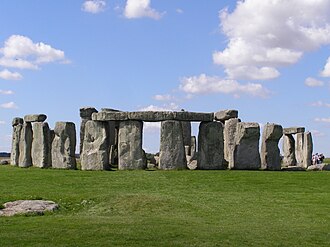
🪨Stonehenge
A prehistoric monument aligned with celestial events, shrouded in mystery.
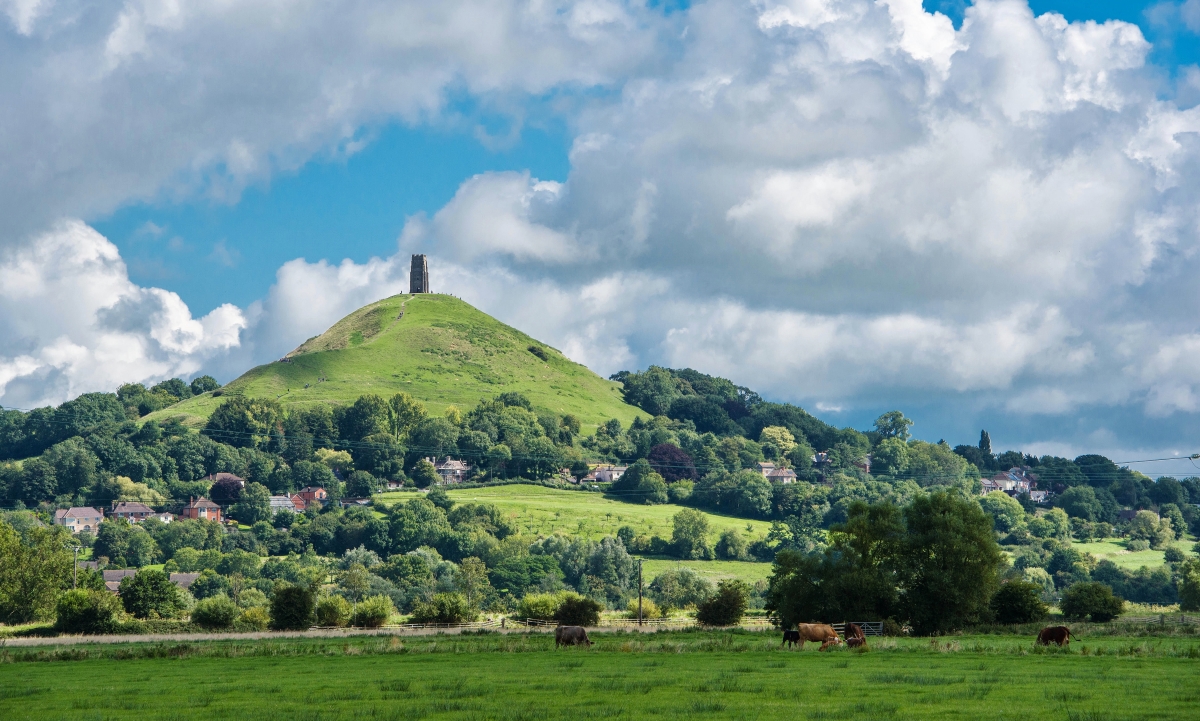
🗼Glastonbury Tor
A mystical hill linked to Arthurian legend and ancient Celtic spirituality.

⛪Vatican City (St. Peter's Basilica)
The spiritual center of Roman Catholicism and home of the Pope.
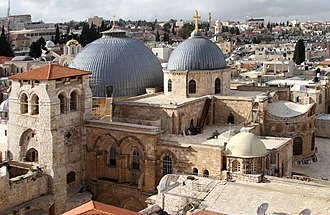
✝️Church of the Holy Sepulchre
The site where Jesus was crucified, buried, and resurrected.