⛪ León Cathedral Nicaragua
Nicaragua
About This Sacred Site
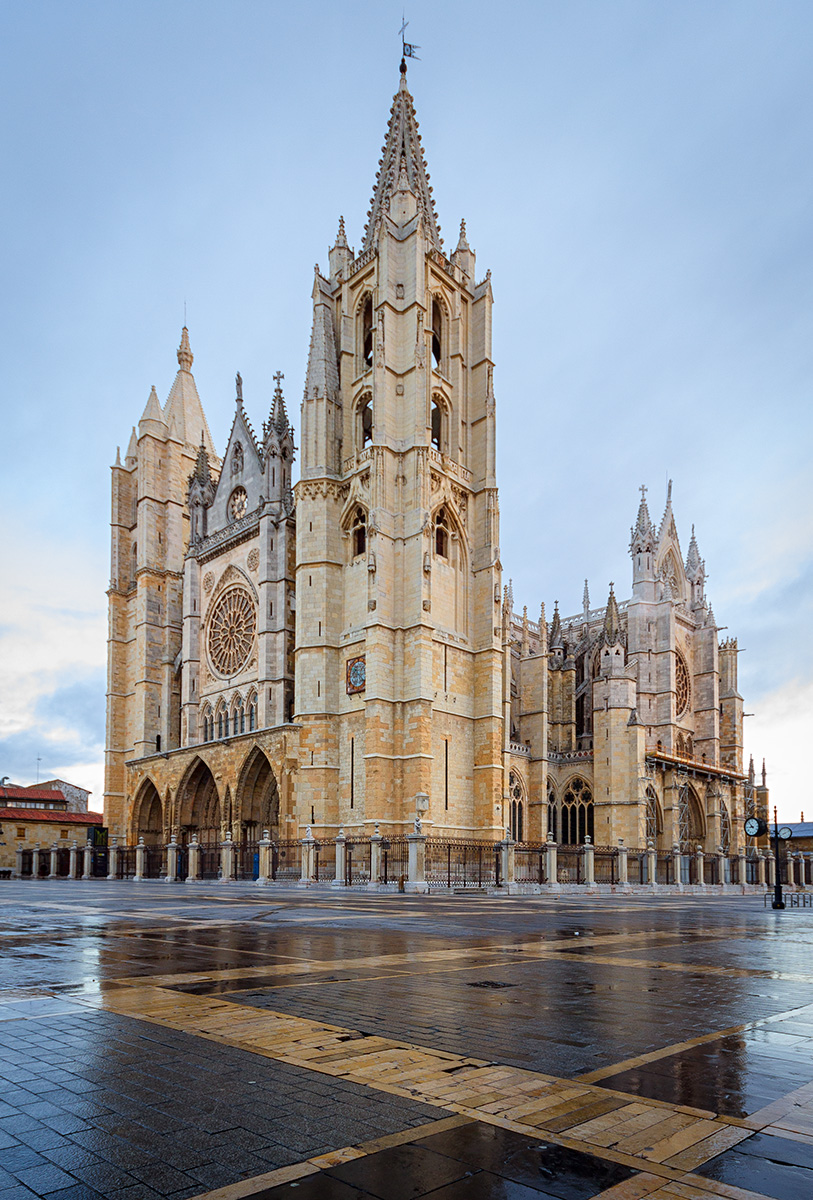
The Royal and Pontifical Basilica Cathedral of the Assumption of the Blessed Virgin Mary in León, Nicaragua, is the largest cathedral in Central America. Completed in 1747, it exemplifies Spanish colonial architecture with baroque and neoclassical elements. The basilica is renowned for its vast interior, religious art, and the tomb of poet Rubén Darío. It is a UNESCO World Heritage site and a focal point of religious and cultural life in León.
History & Origins
Constructed between 1747 and 1814, the cathedral was designed by architect Diego José de Porres Esquivel and is the largest in Central America, covering over 3,000 square meters. Located in León, a city founded in 1524, it was built to replace earlier wooden structures destroyed by earthquakes. The cathedral's Baroque and Neoclassical architectural styles reflect Spanish colonial influences, with thick walls designed to withstand seismic activity. In 2011, UNESCO designated it a World Heritage Site for its cultural and architectural significance. Over the centuries, it has undergone restorations, including major work after the 1931 earthquake. It houses the tomb of Rubén Darío, the Nicaraguan poet who significantly influenced Spanish-language literature in the early 20th century.
Spiritual Significance
The cathedral functions as the seat of the Diocese of León, hosting major liturgical celebrations such as the Feast of the Immaculate Conception on December 8 and Holy Week processions that attract pilgrims nationwide. Its interior contains numerous altars dedicated to various saints, reflecting Catholic devotional practices rooted in the Roman Missal and the Catechism of the Catholic Church. The cathedral is a pilgrimage site during the annual feast of San Pedro González Telmo, patron saint of fishermen, reflecting León’s historical ties to fishing communities. The presence of Rubén Darío’s tomb adds a cultural dimension, drawing visitors who honor his spiritual and literary contributions. The cathedral’s architecture facilitates acoustics for Gregorian chant during Mass, preserving traditional Catholic musical liturgy.
Key Facts
- •The largest cathedral in Central America, built between 1747 and 1814
- •UNESCO World Heritage Site since 2011
- •Houses the tomb of Rubén Darío, Nicaragua's greatest poet
- •Legend says the architect submitted plans intended for Lima, Peru, and they were built here by mistake
- •The rooftop can be walked upon and offers panoramic views of León and its volcanoes
Location
Coordinates: 12.4340, -86.8783
Frequently Asked Questions
What religion is León Cathedral Nicaragua associated with?▾
León Cathedral Nicaragua is a Christianity holy site located in Nicaragua. It was established 1747 and is ranked #295 in our global directory of sacred sites.
When was León Cathedral Nicaragua established?▾
León Cathedral Nicaragua dates back to 1747. The largest cathedral in Central America, built between 1747 and 1814
How many people visit León Cathedral Nicaragua each year?▾
León Cathedral Nicaragua receives approximately 300,000 visitors per year. UNESCO World Heritage Site since 2011
What is León Cathedral Nicaragua known for?▾
The largest cathedral in Central America, a UNESCO World Heritage Site in Nicaragua's cultural capital. Visitors come seeking blessings, salvation, pilgrimage. Houses the tomb of Rubén Darío, Nicaragua's greatest poet
Related Holy Sites
Sacred places connected by country, religion, and purpose
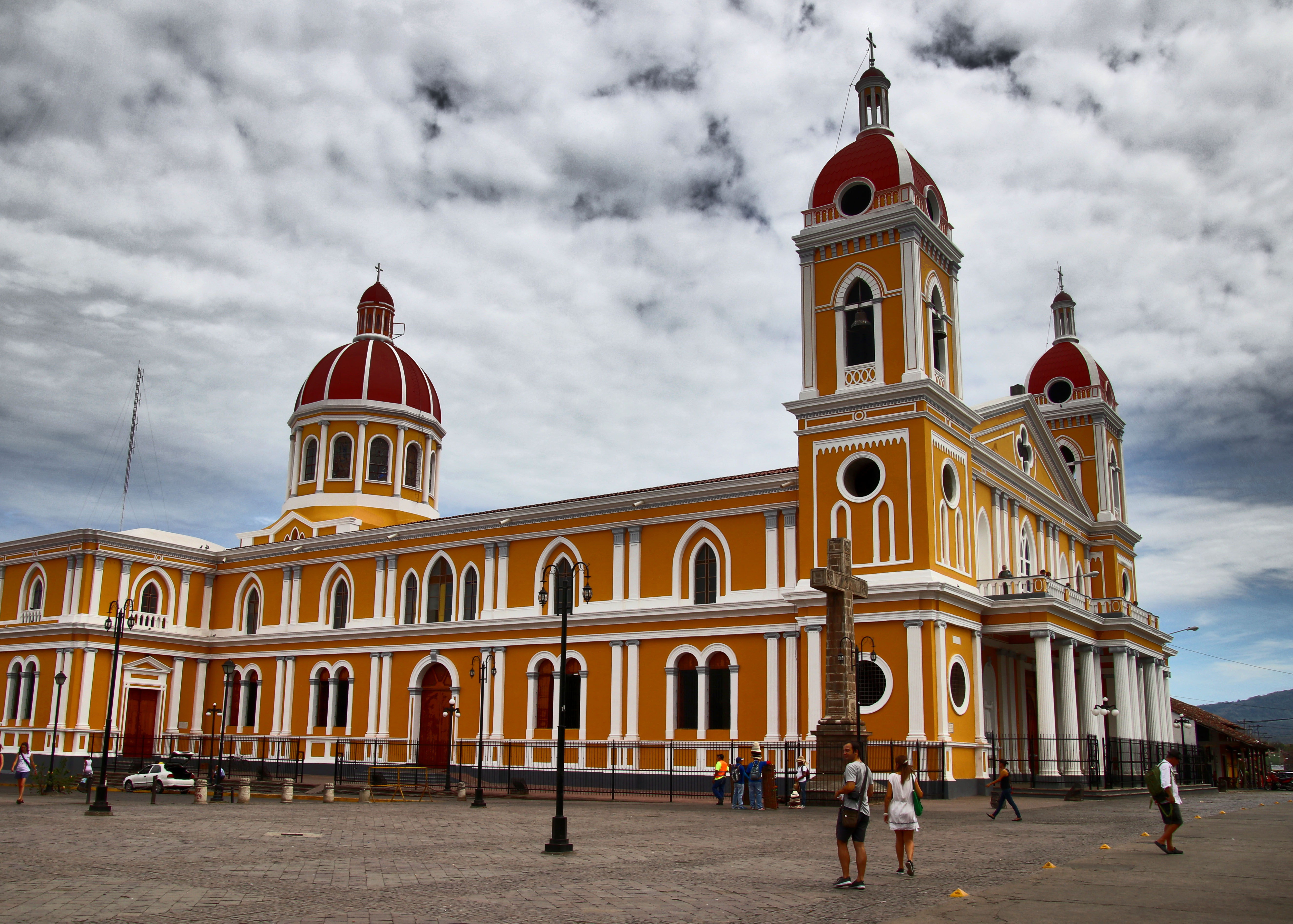
⛪Granada Cathedral
The colorful cathedral of one of the oldest colonial cities in the Americas.
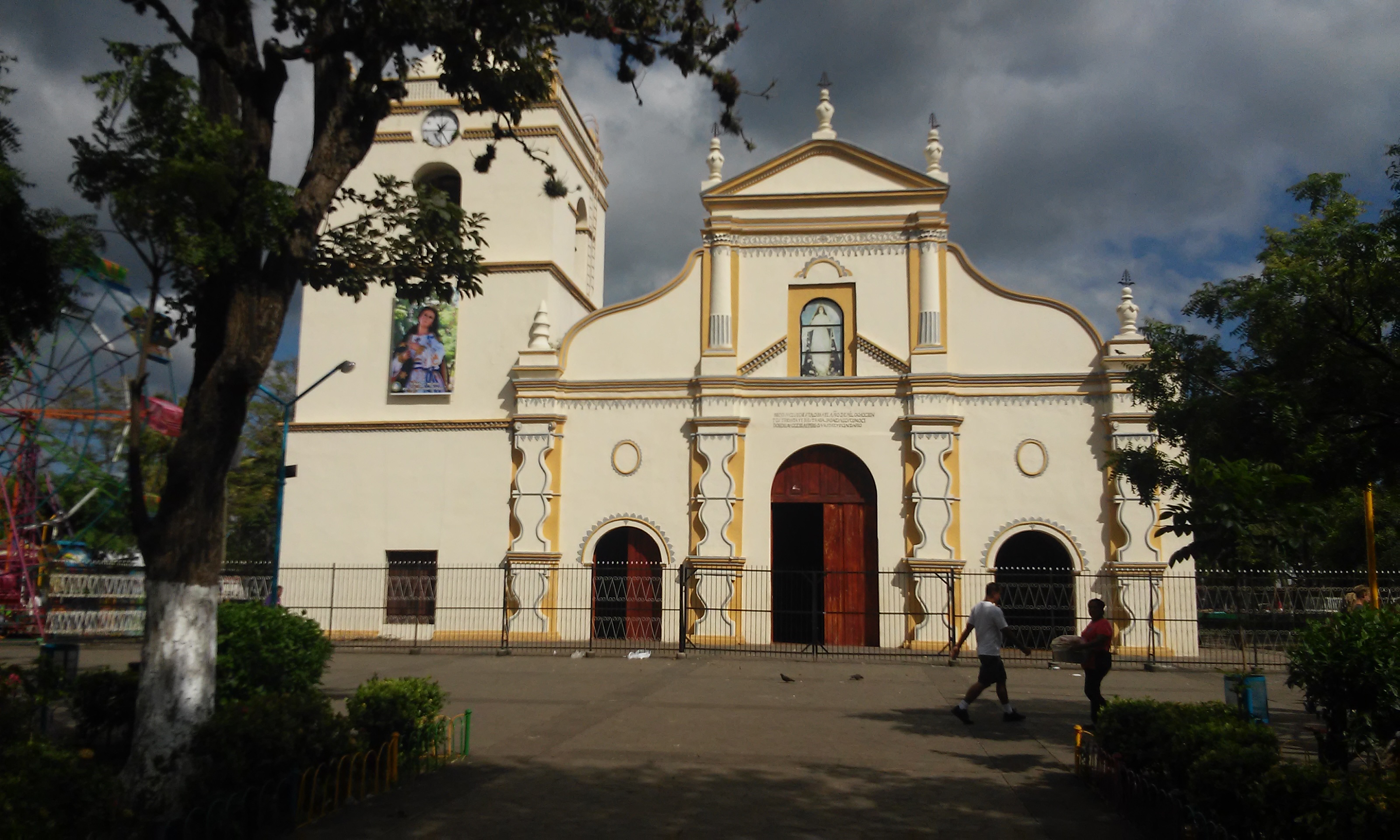
⛪Church of San Jerónimo, Masaya
A colonial-era church in the indigenous heartland of Nicaragua.
⛪Vatican City (St. Peter's Basilica)
The spiritual center of Roman Catholicism and home of the Pope.
✝️Church of the Holy Sepulchre
The site where Jesus was crucified, buried, and resurrected.