⛪ Granada Cathedral
Nicaragua
About This Sacred Site
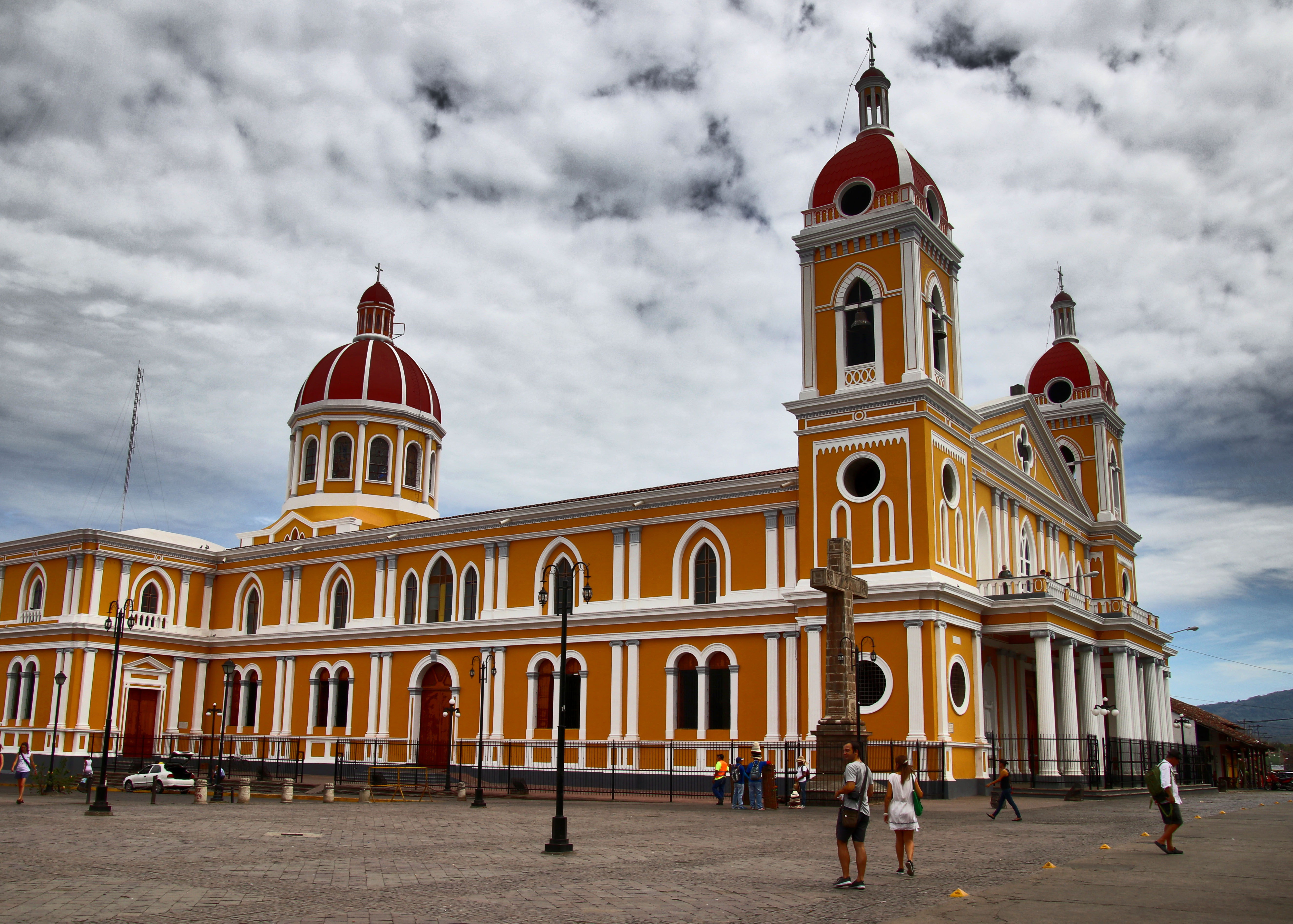
The Cathedral of Our Lady of the Assumption in Granada is the principal church of one of the oldest cities in the Americas, founded by the Spanish in 1524. The cathedral has been destroyed and rebuilt multiple times due to wars, pirate attacks, and William Walker's burning of the city in 1856. The current striking red-and-cream Neoclassical structure dates to the early 20th century. Granada's colonial architecture and lakefront setting make its cathedral a focal point of Nicaraguan Catholic heritage and tourism.
History & Origins
The origins of Granada Cathedral date to approximately 1524 (original); early 20th century (current), making it established during a period of religious expansion and artistic flourishing. Granada was founded by the Spanish in 1524. The cathedral has been destroyed and rebuilt numerous times. The current Neoclassical structure dates to the early 20th century. The traditions maintained here connect contemporary the faithful to an unbroken chain of devotion stretching back to 1524 (original); early 20th century (current).
Spiritual Significance
Originally established following Granada's founding by the Spanish in 1524, this cathedral has been central to Christian worship in Nicaragua for nearly five centuries. The current Neoclassical structure, completed in the early 20th century after multiple destructions, continues to host significant religious rituals such as the Holy Week processions, which include reenactments of Christ's Passion following the Gospel narratives in the Book of John. Pilgrims often participate in the Feast of the Immaculate Conception on December 8, reflecting Catholic devotion to Mary as outlined in the Catechism of the Catholic Church. The cathedral's repeated rebuilding after events like William Walker's 1856 order to burn Granada has reinforced its status as a symbol of spiritual resilience and renewal. Liturgical celebrations here follow the Roman Missal, and the cathedral serves as a locus for diocesan events led by the Bishop of Granada, emphasizing sacramental rites such as baptisms, confirmations, and the Eucharist central to Catholic theology.
Key Facts
- •Granada was founded by the Spanish in 1524
- •The cathedral has been destroyed and rebuilt numerous times
- •William Walker ordered Granada burned in 1856
- •The current Neoclassical structure dates to the early 20th century
- •Granada is considered the oldest colonial city in mainland Americas
Location
Coordinates: 11.9297, -85.9567
Frequently Asked Questions
What religion is Granada Cathedral associated with?▾
Granada Cathedral is a Christianity holy site located in Nicaragua. It was established 1524 (original); early 20th century (current) and is ranked #620 in our global directory of sacred sites.
When was Granada Cathedral established?▾
Granada Cathedral dates back to 1524 (original); early 20th century (current). Granada was founded by the Spanish in 1524
How many people visit Granada Cathedral each year?▾
Granada Cathedral receives approximately 200,000 visitors per year. The cathedral has been destroyed and rebuilt numerous times
What is Granada Cathedral known for?▾
The colorful cathedral of one of the oldest colonial cities in the Americas. Visitors come seeking blessings, pilgrimage, peace. William Walker ordered Granada burned in 1856
Related Holy Sites
Sacred places connected by country, religion, and purpose
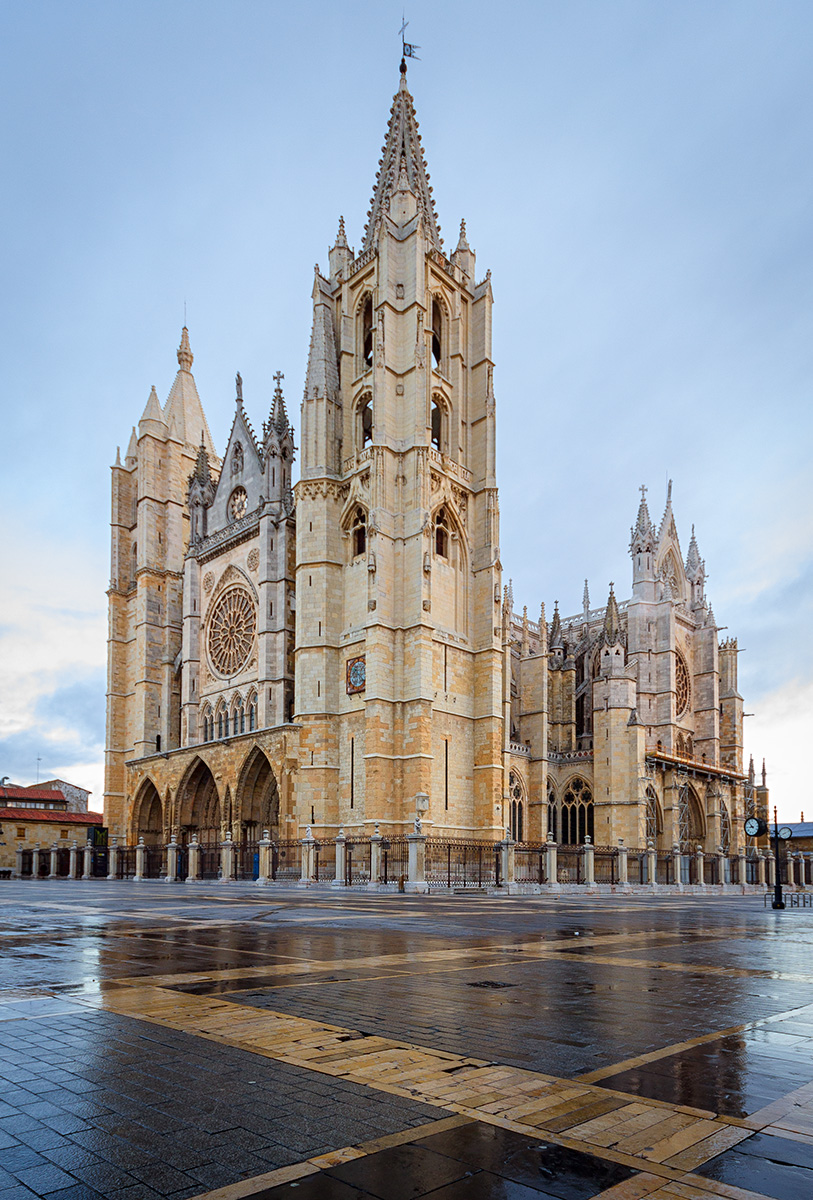
⛪León Cathedral Nicaragua
The largest cathedral in Central America, a UNESCO World Heritage Site in Nicaragua's cultural capital.
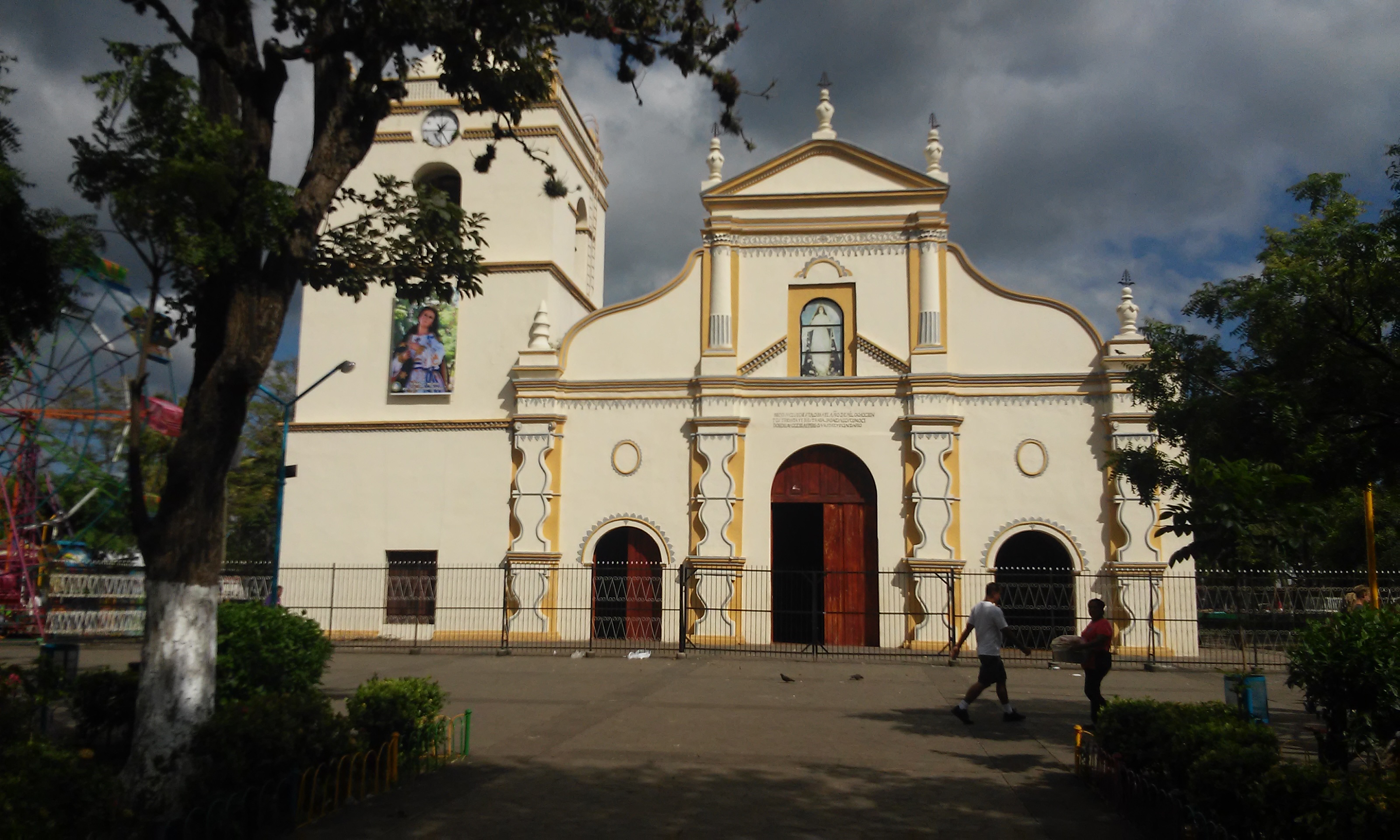
⛪Church of San Jerónimo, Masaya
A colonial-era church in the indigenous heartland of Nicaragua.

⛪Vatican City (St. Peter's Basilica)
The spiritual center of Roman Catholicism and home of the Pope.
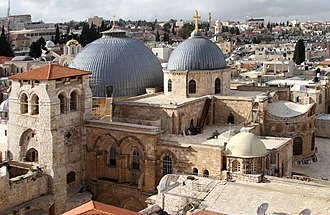
✝️Church of the Holy Sepulchre
The site where Jesus was crucified, buried, and resurrected.