🌊 Lake Tana Monasteries
Ethiopia
About This Sacred Site
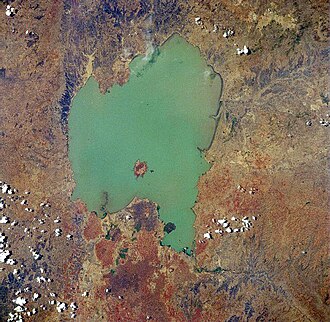
Lake Tana, the source of the Blue Nile and Ethiopia's largest lake, is dotted with 37 islands, over 20 of which contain ancient monasteries dating from the 14th to 18th centuries. These remote island monasteries have served as treasure houses of Ethiopian Orthodox Christianity for centuries, preserving irreplaceable manuscripts, crosses, crowns, and religious paintings. Several monasteries served as hiding places for Ethiopian royal treasures and sacred artifacts during times of invasion. The round thatched-roof churches with vivid wall paintings depicting biblical scenes and Ethiopian saints are uniquely Ethiopian in style. Some monasteries, like Ura Kidane Mihret on the Zege Peninsula, feature spectacular frescoes covering every interior surface.
Spiritual Significance
Established between the 14th and 18th centuries CE on over 20 islands of Lake Tana, these monasteries form a vital component of Ethiopian Orthodox monastic tradition. Lake Tana, the source of the Blue Nile River, is considered sacred, with pilgrimages timed to coincide with Timkat and Meskel festivals celebrated on the lake islands. The monasteries house irreplaceable illuminated manuscripts and ancient icons, including depictions of the Virgin Mary and Ethiopian saints, vital to liturgical rites and theological study. Monks maintain strict ascetic practices, including fasting according to Ethiopian Orthodox canons and daily communal prayers led by the abbot, emphasizing spiritual discipline. The monasteries serve as centers for theological education, preserving the Ge'ez language in scriptural readings and chanting, and are accessible only by boat, reinforcing their seclusion and sanctity within the Ethiopian Christian landscape.
Key Facts
- •Over 20 island monasteries on Ethiopia's largest lake, dating from the 14th-18th centuries
- •Lake Tana is the source of the Blue Nile River
- •The monasteries preserve irreplaceable ancient manuscripts in Ge'ez script
- •Several islands served as hiding places for royal treasures during invasions
- •Ura Kidane Mihret monastery has some of Ethiopia's finest church frescoes
Location
Coordinates: 11.9833, 37.3167
Frequently Asked Questions
What religion is Lake Tana Monasteries associated with?▾
Lake Tana Monasteries is a Christianity holy site located in Ethiopia. It was established c. 14th century CE and is ranked #344 in our global directory of sacred sites.
When was Lake Tana Monasteries established?▾
Lake Tana Monasteries dates back to c. 14th century CE. Over 20 island monasteries on Ethiopia's largest lake, dating from the 14th-18th centuries
How many people visit Lake Tana Monasteries each year?▾
Lake Tana Monasteries receives approximately 100,000 visitors per year. Lake Tana is the source of the Blue Nile River
What is Lake Tana Monasteries known for?▾
Island monasteries on Ethiopia's largest lake preserving ancient manuscripts and royal treasures. Visitors come seeking meditation, pilgrimage, peace, spiritual enlightenment. The monasteries preserve irreplaceable ancient manuscripts in Ge'ez script
Related Holy Sites
Sacred places connected by country, religion, and purpose
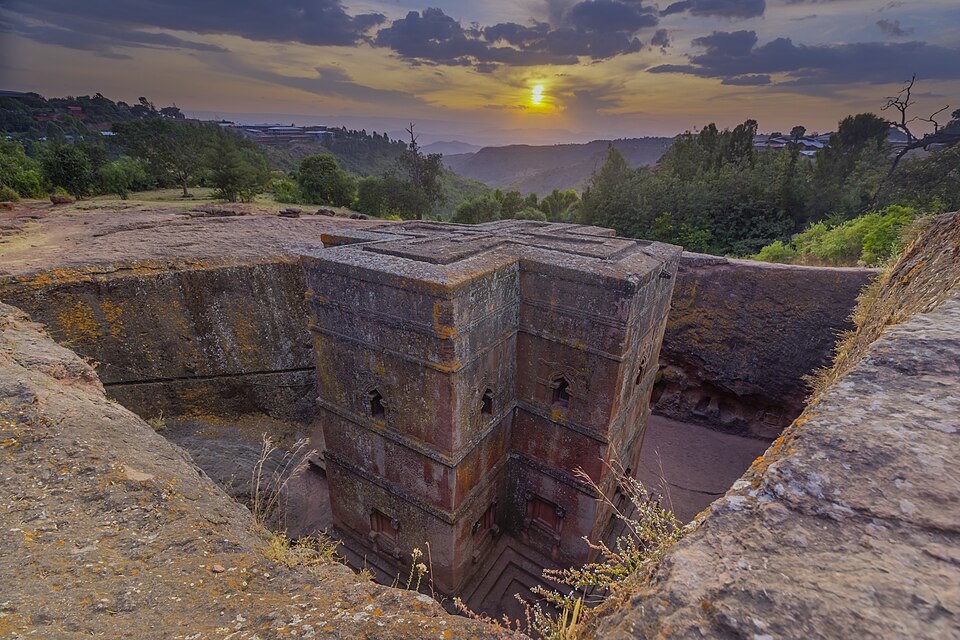
⛪Lalibela Rock-Hewn Churches
Eleven medieval churches carved entirely from living rock in Ethiopia.

⛪Vatican City (St. Peter's Basilica)
The spiritual center of Roman Catholicism and home of the Pope.
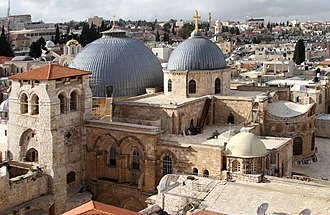
✝️Church of the Holy Sepulchre
The site where Jesus was crucified, buried, and resurrected.