
🏜️ Lake Mungo
Australia
About This Sacred Site
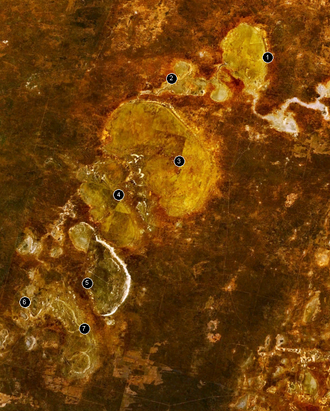
Lake Mungo, a dry lake in the Willandra Lakes Region of New South Wales, is one of the most important archaeological and sacred sites in Australia. It is the location of the oldest known cremation in the world — Mungo Lady, whose remains date to approximately 42,000 years ago — and Mungo Man, who was buried in a ritual ochre ceremony of similar age. These discoveries prove that Aboriginal Australians were practicing complex spiritual rituals and honoring their dead tens of thousands of years before any other known culture. The lunar-like landscape of eroded sand dunes, known as the 'Walls of China,' creates a hauntingly beautiful setting. The site is deeply sacred to the Mutthi Mutthi, Ngyiampaa, and Paakantji peoples.
History & Origins
Lake Mungo, part of the Willandra Lakes Region, has been a site of human presence for approximately 42,000 years, with archaeological finds such as Mungo Lady and Mungo Man evidencing early cremation and burial practices. The discovery of Mungo Lady in 1969 revealed the oldest known human cremation globally, dating to around 42,000 years ago, reshaping understanding of ancient mortuary customs. Excavations in the 1970s and 1980s, led by archaeologist Jim Bowler, uncovered ritual burials with ochre use, signifying complex social behaviors. The site has undergone preservation efforts since its designation as a World Heritage Site in 1981, with ongoing collaboration between Indigenous custodians and scientists to protect its fragile archaeological deposits. Lake Mungo's history also includes its role in legal recognition of Aboriginal land rights, underscoring its cultural and historical significance.
Spiritual Significance
Lake Mungo holds profound spiritual meaning for the Paakantji, Mutthi Mutthi, and Ngiyampaa peoples, who regard the area as a site of ancestral emergence and connection. Rituals performed at the lunette dunes involve ochre ceremonies that replicate those evidenced by Mungo Man’s burial, reaffirming ties to the land and ancestors. Seasonal gatherings include storytelling sessions recounting Dreamtime narratives specific to the creation of the lake basin and surrounding landscapes. Pilgrims often partake in cleansing rites using ochre and water from sacred springs, maintaining spiritual hygiene and continuity. The site's spiritual doctrines emphasize respect for ancestral laws and the cyclical nature of life and death, with elders acting as spiritual leaders guiding ritual observances aligned with lunar and solar cycles.
Key Facts
- •Mungo Lady (c. 42,000 years old) is the oldest known human cremation in the world
- •Mungo Man was buried in a ritual ochre ceremony approximately 42,000 years ago
- •Proves Aboriginal Australians practiced complex spiritual rites 42,000+ years ago
- •UNESCO World Heritage Site since 1981 as part of the Willandra Lakes Region
- •Sacred to the Mutthi Mutthi, Ngyiampaa, and Paakantji peoples
Location
Coordinates: -33.7500, 143.0500
Frequently Asked Questions
What religion is Lake Mungo associated with?▾
Lake Mungo is a Indigenous holy site located in Australia. It was established c. 42,000 years ago and is ranked #563 in our global directory of sacred sites.
When was Lake Mungo established?▾
Lake Mungo dates back to c. 42,000 years ago. Mungo Lady (c. 42,000 years old) is the oldest known human cremation in the world
How many people visit Lake Mungo each year?▾
Lake Mungo receives approximately 30,000 visitors per year. Mungo Man was buried in a ritual ochre ceremony approximately 42,000 years ago
What is Lake Mungo known for?▾
Site of the oldest known human cremation and ritual burial, dating back 42,000 years. Visitors come seeking ancestral connection, spiritual enlightenment, peace, meditation. Proves Aboriginal Australians practiced complex spiritual rites 42,000+ years ago
Related Holy Sites
Sacred places connected by country, religion, and purpose
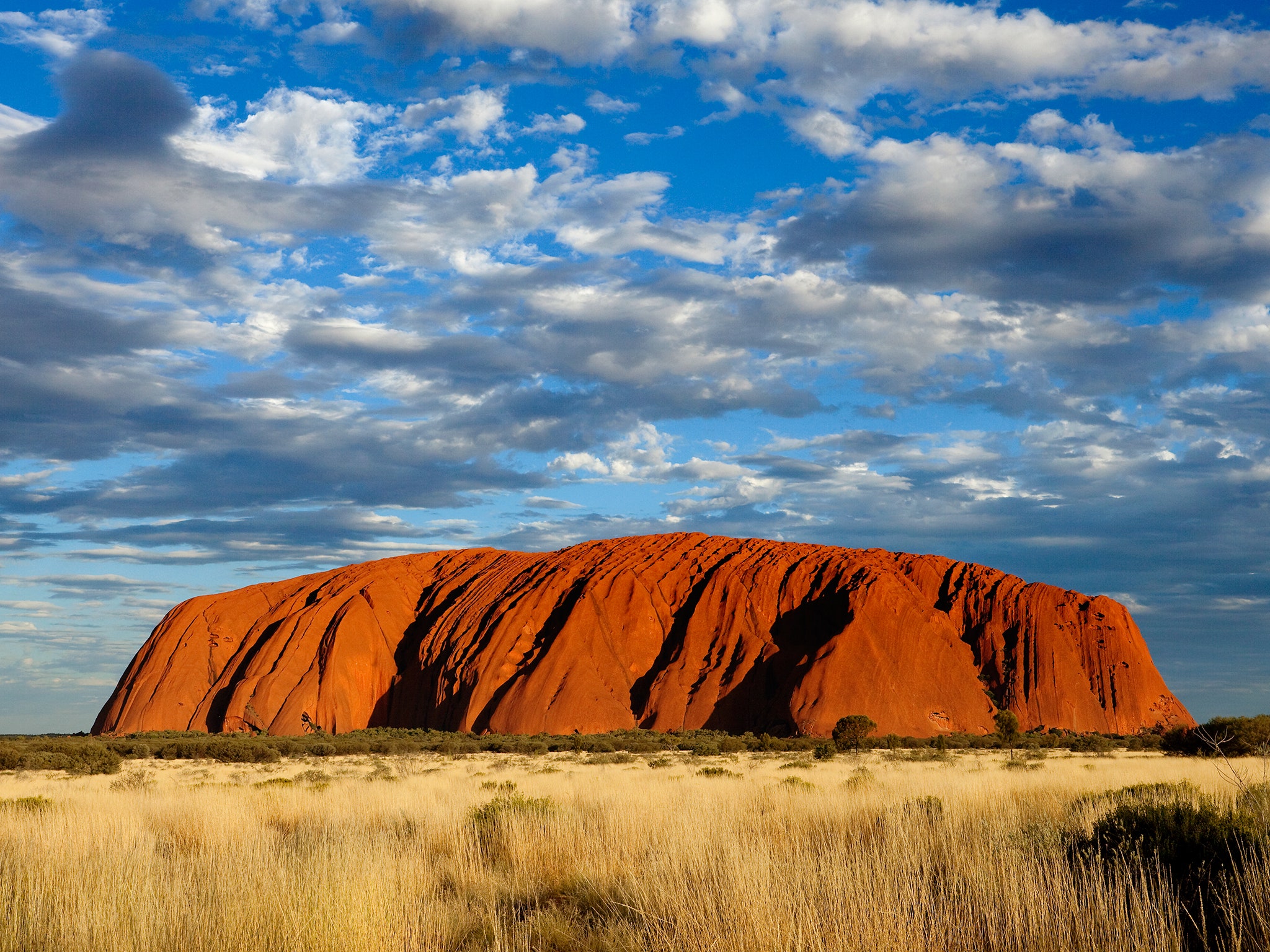
🪨Uluru (Ayers Rock)
A sacred monolith central to Aboriginal Australian creation stories.
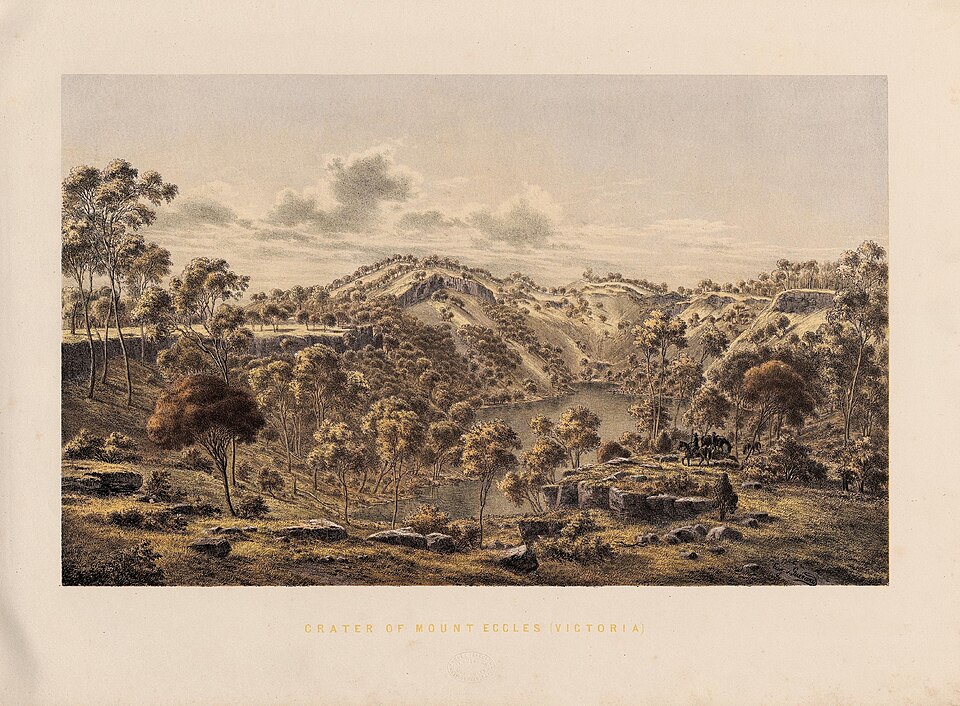
🌋Budj Bim Cultural Landscape
A 6,600-year-old Aboriginal aquaculture system, older than the Egyptian pyramids.
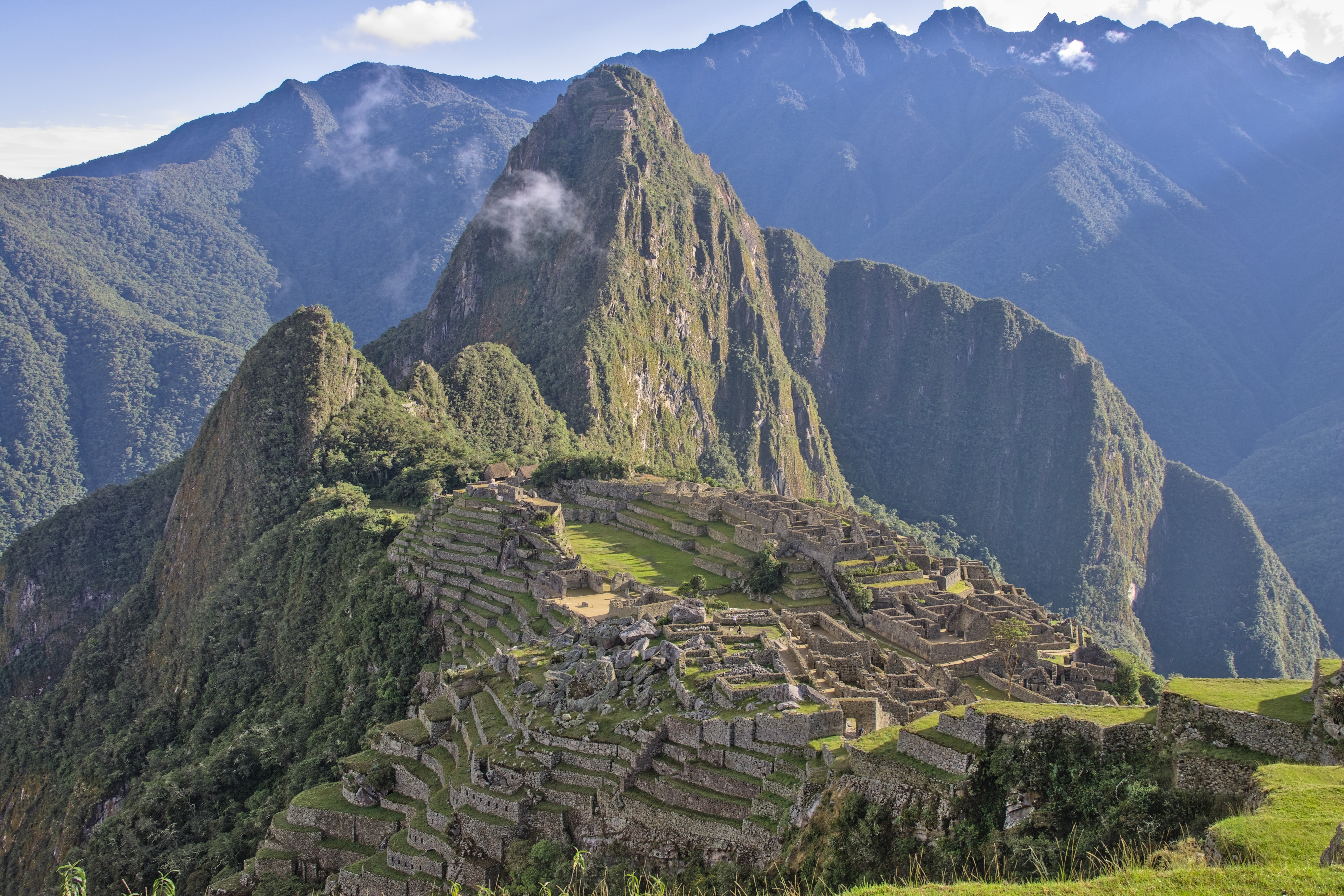
🏔️Machu Picchu
A sacred Inca citadel set high in the Andes, aligned with astronomical events.
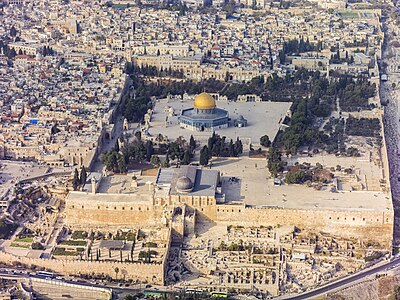
🕌Temple Mount / Al-Aqsa (Jerusalem)
Sacred to Judaism, Christianity, and Islam — the most contested holy site on Earth.
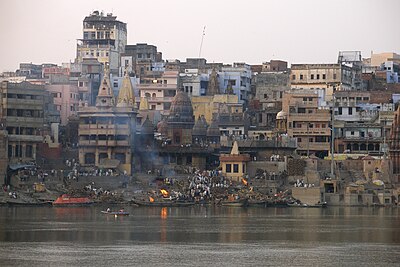
🙏Varanasi (Kashi Vishwanath Temple)
The holiest city in Hinduism, where the Ganges River purifies the soul.

