
☸️ Kurjey Lhakhang
Bhutan
About This Sacred Site
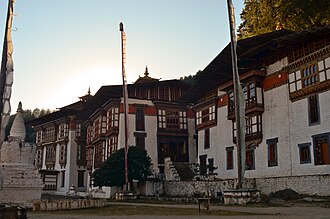
Kurjey Lhakhang in the Bumthang Valley is one of Bhutan's most sacred sites, marking the cave where Guru Rinpoche (Padmasambhava) meditated and left his body imprint (kurjey means 'body print') on the cave wall. The complex comprises three temples built over different centuries. Guru Rinpoche came to Bumthang in the 8th century to subdue a local deity, and his meditation in this cave is considered one of the pivotal events in the establishment of Buddhism in Bhutan. The first kings of Bhutan are buried in the grounds, and the site is surrounded by 108 chortens.
History & Origins
Kurjey Lhakhang is built around a cave where Guru Rinpoche, also known as Padmasambhava, is believed to have left a body imprint on the rock wall during his 8th-century visit to Bhutan. The first temple structure was erected in 1652 CE by Tenzing Namgyal to commemorate Guru Rinpoche’s visit and enshrine the sacred imprint. The complex comprises three temples constructed through the 17th and 18th centuries, each dedicated to specific aspects of Guru Rinpoche’s spiritual legacy. Renovations in the 20th century restored intricate murals depicting the life of Guru Rinpoche and Bhutanese religious history. The site has been a focal point for Bhutanese royal patronage and monastic authority, serving as a pilgrimage destination and center for tantric Buddhist practice. Historical documents from the 19th century record the temple as a strategic religious site during regional conflicts. The temple’s architecture combines fortress-like elements with ornate religious iconography unique to Bhutan.
Spiritual Significance
The name 'Kurjey' translates to 'body imprint,' highlighting the sacred rock where Guru Rinpoche meditated, making it a vital pilgrimage site for Vajrayana practitioners. The temple hosts an annual festival where monks perform cham dances reenacting Guru Rinpoche’s subjugation of local deities, accompanied by ritual music using traditional Bhutanese instruments. Pilgrims circumambulate the cave and temple shrines while reciting the Vajra Guru mantra, believed to invoke Guru Rinpoche’s blessings for spiritual protection and enlightenment. The site is central to the Drukpa Kagyu tradition and contains relics and scriptures associated with the lineage. Ritual offerings include tshechu masks and butter lamps, symbolizing the light of wisdom dispelling darkness. The temple complex also serves as a training ground for tantric meditation practices and hosts teachings by prominent Bhutanese lamas.
Key Facts
- •Contains a cave where Guru Rinpoche left his body imprint on the rock wall
- •The name 'Kurjey' means 'body imprint' in Bhutanese
- •Comprises three temples built in the 17th, 18th, and 20th centuries
- •The first two kings of Bhutan are cremated and entombed here
- •Surrounded by 108 chortens (Buddhist shrines)
Location
Coordinates: 27.5928, 90.7350
Frequently Asked Questions
What religion is Kurjey Lhakhang associated with?▾
Kurjey Lhakhang is a Buddhism holy site located in Bhutan. It was established c. 8th century CE (Guru Rinpoche's visit); 1652 CE (first temple) and is ranked #587 in our global directory of sacred sites.
When was Kurjey Lhakhang established?▾
Kurjey Lhakhang dates back to c. 8th century CE (Guru Rinpoche's visit); 1652 CE (first temple). Contains a cave where Guru Rinpoche left his body imprint on the rock wall
How many people visit Kurjey Lhakhang each year?▾
Kurjey Lhakhang receives approximately 50,000+ visitors per year. The name 'Kurjey' means 'body imprint' in Bhutanese
What is Kurjey Lhakhang known for?▾
A sacred temple complex where Guru Rinpoche left his body imprint in a cave wall. Visitors come seeking spiritual enlightenment, protection, blessings, meditation. Comprises three temples built in the 17th, 18th, and 20th centuries
Related Holy Sites
Sacred places connected by country, religion, and purpose
🙏Jambay Lhakhang
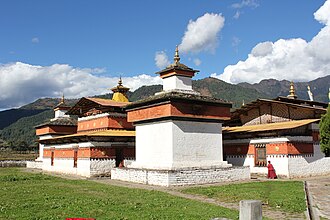
One of Bhutan's oldest temples, built in the 7th century by the Tibetan King Songtsen Gampo.
☸️Bodh Gaya (Mahabodhi Temple)
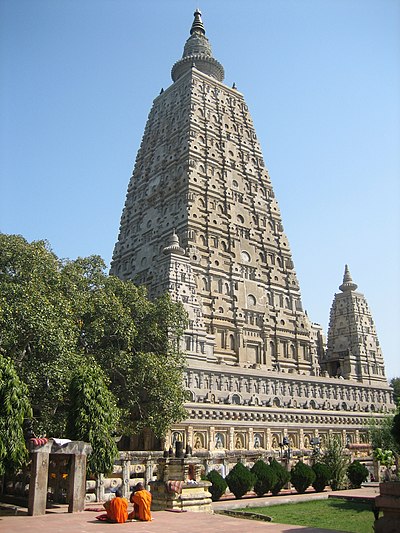
Where Siddhartha Gautama attained enlightenment and became the Buddha.
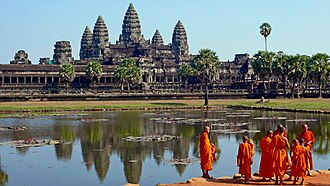
🛕Angkor Wat
The largest religious monument in the world, originally Hindu then Buddhist.
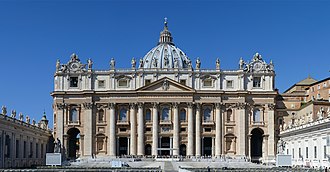
⛪Vatican City (St. Peter's Basilica)
The spiritual center of Roman Catholicism and home of the Pope.
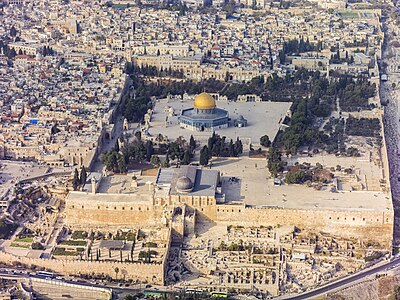
🕌Temple Mount / Al-Aqsa (Jerusalem)
Sacred to Judaism, Christianity, and Islam — the most contested holy site on Earth.

