
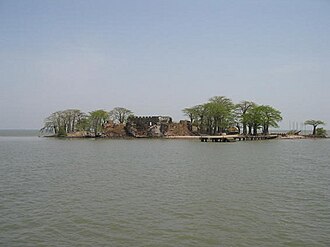
🏝️ Kunta Kinteh Island
Gambia
About This Sacred Site
Kunta Kinteh Island (formerly James Island), a UNESCO World Heritage Site in the Gambia River, was a key holding point in the transatlantic slave trade from the 15th to 19th centuries. The small island's fort changed hands between European powers multiple times, but its dark purpose remained constant. The island was made famous by Alex Haley's book 'Roots,' which traced his ancestry to a Mandinka man named Kunta Kinte who was enslaved on the island. Today it serves as a site of pilgrimage, remembrance, and spiritual healing for people of the African diaspora seeking to reconnect with their ancestral heritage.
History & Origins
Occupied since the 15th century, the island was originally named James Island by Portuguese explorers and later became a pivotal slave trading post under Danish and British control. It was inscribed as a UNESCO World Heritage Site in 2003 due to its historical role in the transatlantic slave trade. The island contains remnants of a fort built in the 17th century, which served as a holding area for enslaved Africans before their forced voyage across the Atlantic. Notably, the island gained international recognition through Alex Haley's 1976 novel 'Roots,' which traced his ancestor Kunta Kinte to this location. Restoration efforts in the early 21st century have focused on preserving the fort ruins and establishing a museum dedicated to the history of the slave trade in the Gambia River region.
Spiritual Significance
Kunta Kinteh Island serves as a site of remembrance and reconciliation for descendants of enslaved peoples and visitors worldwide. Annual commemorative ceremonies include the lighting of candles and the reading of names of those who passed through the slave trade. The island's spiritual significance is rooted in its embodiment of resilience and the struggle for freedom, inspiring pilgrimages from the African diaspora. Rituals often incorporate African traditional practices such as libations to honor ancestors, alongside Christian prayers reflecting the syncretic religious heritage of many descendants. The site's memorial functions as a place for reflection on human rights, forgiveness, and healing, guided by local spiritual leaders and international human rights organizations.
Key Facts
- •UNESCO World Heritage Site since 2003
- •A key slave trading post from the 15th to 19th centuries
- •Made famous by Alex Haley's 'Roots' tracing ancestry to Kunta Kinte
- •The fort changed hands between Portuguese, Dutch, French, and British powers
- •A pilgrimage site for the African diaspora seeking ancestral connection
Location
Coordinates: 13.5500, -16.0333
Frequently Asked Questions
What religion is Kunta Kinteh Island associated with?▾
Kunta Kinteh Island is a Multi-faith holy site located in Gambia. It was established c. 15th century and is ranked #260 in our global directory of sacred sites.
When was Kunta Kinteh Island established?▾
Kunta Kinteh Island dates back to c. 15th century. UNESCO World Heritage Site since 2003
How many people visit Kunta Kinteh Island each year?▾
Kunta Kinteh Island receives approximately 20,000 visitors per year. A key slave trading post from the 15th to 19th centuries
What is Kunta Kinteh Island known for?▾
A UNESCO World Heritage island memorializing the transatlantic slave trade. Visitors come seeking ancestral connection, forgiveness, healing. Made famous by Alex Haley's 'Roots' tracing ancestry to Kunta Kinte
Related Holy Sites
Sacred places connected by country, religion, and purpose
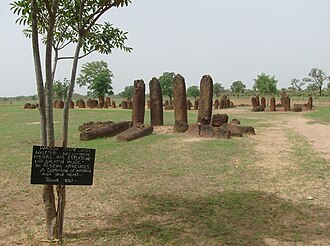
⭕Wassu Stone Circles
UNESCO World Heritage megalithic stone circles dating back over 1,000 years.
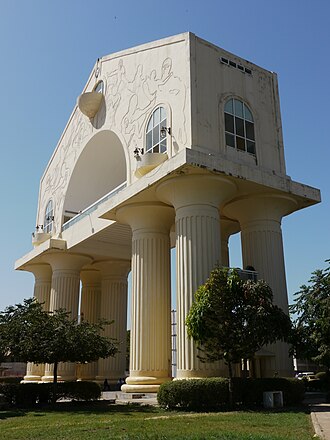
⛪Banjul Cathedral
The principal Catholic church of the Gambia in the capital city.
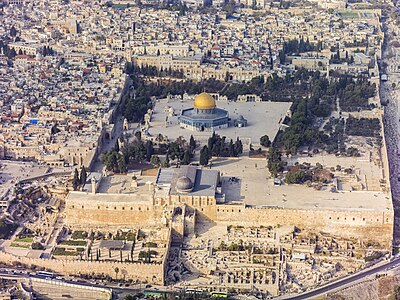
🕌Temple Mount / Al-Aqsa (Jerusalem)
Sacred to Judaism, Christianity, and Islam — the most contested holy site on Earth.
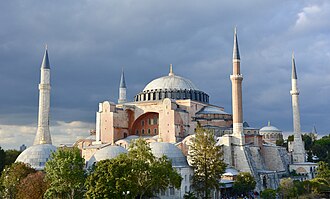
🏛️Hagia Sophia
A masterpiece that served as cathedral, mosque, and museum across centuries.
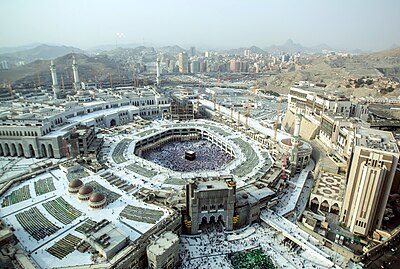
🕋Masjid al-Haram (Great Mosque of Mecca)
The holiest site in Islam, home of the Kaaba, and the destination for Hajj pilgrimage.
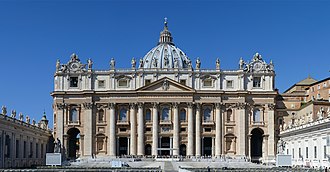
⛪Vatican City (St. Peter's Basilica)
The spiritual center of Roman Catholicism and home of the Pope.

