⛪ Banjul Cathedral
Gambia
About This Sacred Site
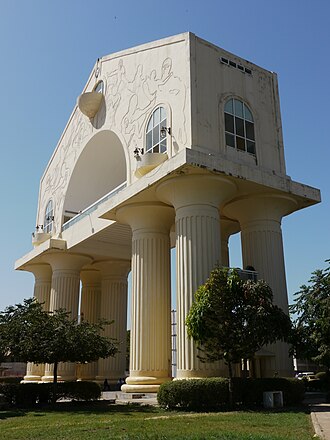
The Cathedral of Our Lady of the Assumption in Banjul is the principal Catholic church of the Gambia, a predominantly Muslim country known for its remarkable religious tolerance. The cathedral serves a small but devout Catholic community in a nation where Christians and Muslims share holidays, attend each other's ceremonies, and frequently intermarry. This spirit of interfaith harmony, embodied in the cathedral's welcoming atmosphere, has made the Gambia a model of religious coexistence in West Africa. The cathedral hosts significant community events and interfaith gatherings.
History & Origins
The Cathedral of Our Lady of the Assumption in Banjul, Gambia, was constructed in the 1930s as the principal Catholic church in a predominantly Muslim country. It emerged during British colonial administration as a center for missionary activity and Catholic worship. Over the decades, the cathedral has served as a focal point for the small Catholic community, hosting significant religious events and interfaith dialogues fostering national unity. Architectural renovations in the late 20th century enhanced its structural integrity while preserving its historical character. Today, the cathedral symbolizes religious diversity in Gambia and stands as a testament to the enduring presence of Christianity amid a Muslim-majority population.
Spiritual Significance
Established in the 1930s, the Principal Catholic church of the Gambia serves as the central place of worship for Gambian Catholics amidst a predominantly Muslim population, approximately 95% as per recent census data. The cathedral hosts the annual Feast of the Immaculate Conception on December 8th, drawing pilgrims who participate in the Novena prayers rooted in Catholic tradition and inspired by the teachings of Pope Pius IX's 1854 doctrine. It is notable for fostering interfaith dialogue, with documented instances where Christian and Muslim congregants attend each other’s Eid and Christmas services, reflecting the Gambian ethos of religious tolerance. The cathedral’s liturgical calendar follows the Roman Rite, with special Masses conducted during Holy Week that include processions invoking Psalm 22, emphasizing shared scriptural foundations with the local Muslim community. The archbishopric seat, established in 1951, has been pivotal in promoting ecumenism, highlighted by recent pastoral letters referencing Vatican II’s declarations on interreligious relations.
Key Facts
- •Principal Catholic church of the Gambia
- •The Gambia is approximately 95% Muslim but known for religious tolerance
- •Christians and Muslims commonly attend each other's religious celebrations
- •The cathedral hosts interfaith gatherings and community events
- •The Gambia is considered a model of religious coexistence
Location
Coordinates: 13.4531, -16.5775
Frequently Asked Questions
What religion is Banjul Cathedral associated with?▾
Banjul Cathedral is a Christianity holy site located in Gambia. It was established c. 1930s and is ranked #991 in our global directory of sacred sites.
When was Banjul Cathedral established?▾
Banjul Cathedral dates back to c. 1930s. Principal Catholic church of the Gambia
How many people visit Banjul Cathedral each year?▾
Banjul Cathedral receives approximately 15,000 visitors per year. The Gambia is approximately 95% Muslim but known for religious tolerance
What is Banjul Cathedral known for?▾
The principal Catholic church of the Gambia in the capital city. Visitors come seeking blessings, peace, guidance. Christians and Muslims commonly attend each other's religious celebrations
Related Holy Sites
Sacred places connected by country, religion, and purpose
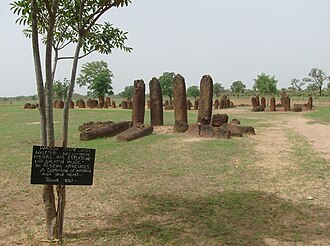
⭕Wassu Stone Circles
UNESCO World Heritage megalithic stone circles dating back over 1,000 years.
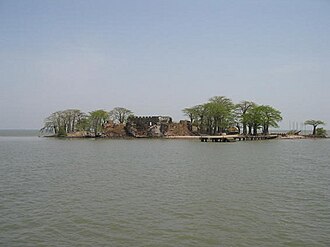
🏝️Kunta Kinteh Island
A UNESCO World Heritage island memorializing the transatlantic slave trade.
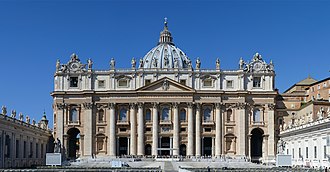
⛪Vatican City (St. Peter's Basilica)
The spiritual center of Roman Catholicism and home of the Pope.
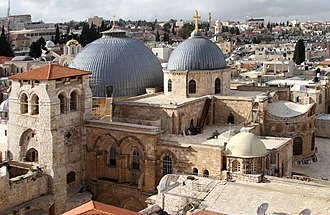
✝️Church of the Holy Sepulchre
The site where Jesus was crucified, buried, and resurrected.