😇 Kulubi Gabriel Church
Ethiopia
About This Sacred Site
Kulubi Gabriel, perched on a hilltop in eastern Ethiopia, is the country's most popular pilgrimage destination, drawing hundreds of thousands of pilgrims twice a year for the Feast of St. Gabriel on December 28 and July 26. The church is dedicated to the Archangel Gabriel, one of the most revered figures in Ethiopian Christianity. Pilgrims travel from across Ethiopia, many walking for days or weeks, to pray for healing, give thanks for answered prayers, and fulfill vows. The pilgrimage is one of the largest regular religious gatherings in Africa. Many pilgrims bring offerings or have their heads shaved as acts of devotion. The journey itself is considered as spiritually important as arriving at the church.
History & Origins
The current structure of this church was constructed in the early 20th century, with significant expansions completed between 1920 and 1930 under the patronage of Emperor Haile Selassie I, who aimed to establish a monumental site dedicated to St. Gabriel. Located in the Oromia region of Ethiopia, it replaced earlier chapels dating to the 19th century, consolidating its status as a major Christian pilgrimage destination. The site underwent renovations in the 1970s to accommodate increasing numbers of pilgrims, especially during the Feast of St. Gabriel. The church's construction features Ethiopian Orthodox architectural elements, including large stone masonry and a basilica plan. It has endured periods of political upheaval, notably during the Derg regime, but was preserved as a symbol of religious identity. Today, it remains one of the largest churches in Ethiopia, recognized for hosting some of Africa's largest religious gatherings.
Spiritual Significance
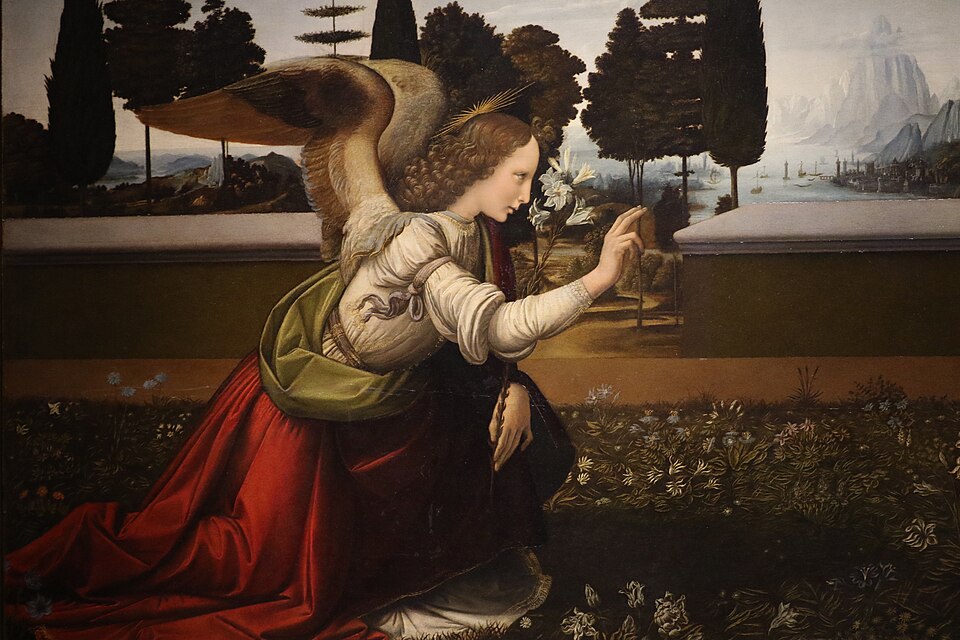
This church draws up to 500,000 pilgrims biannually on December 28 and July 26, the Feast days of St. Gabriel, the archangel revered for his role in the Annunciation as described in the Ethiopian Synaxarium. Pilgrims often undertake long journeys on foot, engaging in fasting and prayer before arriving at the site, reflecting a deep tradition of penitential pilgrimage within Ethiopian Orthodoxy. Rituals include the chanting of Ge'ez hymns, processionals around the church, and the veneration of relics attributed to St. Gabriel. Theological teachings emphasize Gabriel's role as a messenger of God, reinforcing doctrines of divine revelation central to the Ethiopian Orthodox Tewahedo faith. The feast incorporates liturgical celebrations led by high-ranking clergy, alongside communal feasting and traditional music, strengthening communal bonds and religious devotion.
Key Facts
- •Draws up to 500,000 pilgrims for the Feast of St. Gabriel (December 28 and July 26)
- •One of the largest regular religious gatherings in all of Africa
- •Many pilgrims walk for days or weeks to reach the church
- •Pilgrims bring offerings and have their heads shaved as acts of devotion
- •The journey itself is considered as spiritually important as reaching the destination
Location
Coordinates: 9.4333, 42.0333
Frequently Asked Questions
What religion is Kulubi Gabriel Church associated with?▾
Kulubi Gabriel Church is a Christianity holy site located in Ethiopia. It was established c. early 20th century (current church) and is ranked #189 in our global directory of sacred sites.
When was Kulubi Gabriel Church established?▾
Kulubi Gabriel Church dates back to c. early 20th century (current church). Draws up to 500,000 pilgrims for the Feast of St. Gabriel (December 28 and July 26)
How many people visit Kulubi Gabriel Church each year?▾
Kulubi Gabriel Church receives approximately 1+ million visitors per year. One of the largest regular religious gatherings in all of Africa
What is Kulubi Gabriel Church known for?▾
Ethiopia's most popular pilgrimage church, drawing hundreds of thousands for the Feast of St. Gabriel. Visitors come seeking healing, miracles, blessings, pilgrimage. Many pilgrims walk for days or weeks to reach the church
Related Holy Sites
Sacred places connected by country, religion, and purpose
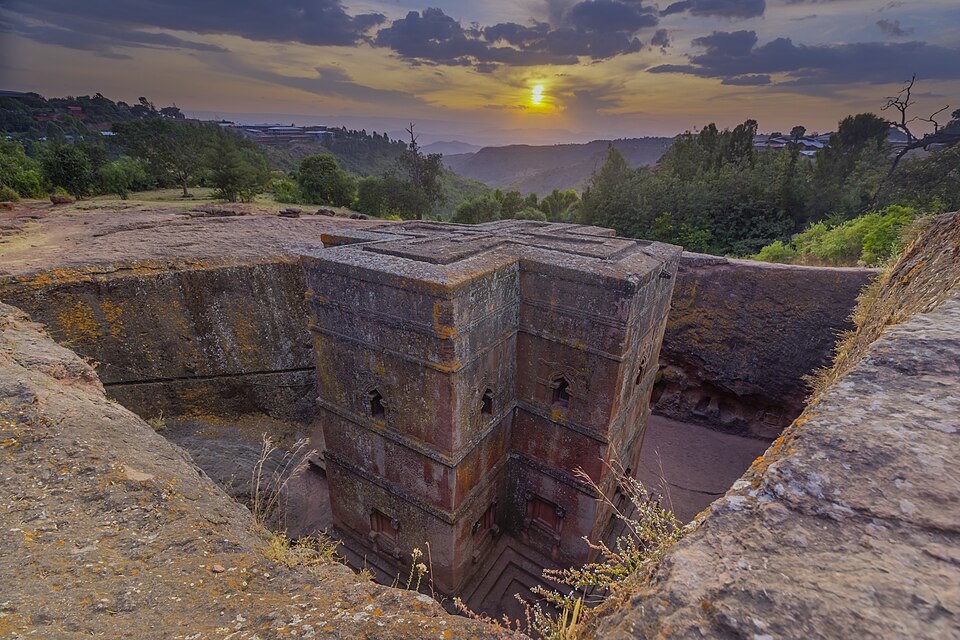
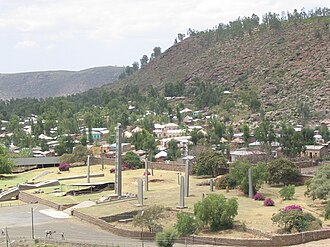
⛪Lalibela Rock-Hewn Churches
Eleven medieval churches carved entirely from living rock in Ethiopia.
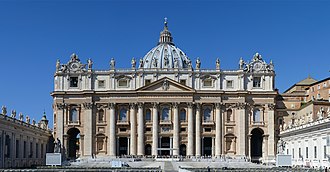
⛪Vatican City (St. Peter's Basilica)
The spiritual center of Roman Catholicism and home of the Pope.
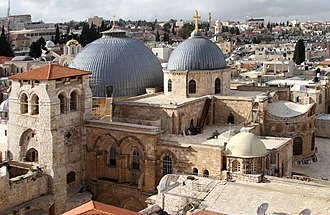
✝️Church of the Holy Sepulchre
The site where Jesus was crucified, buried, and resurrected.