

🏠 Koror Bai Meeting Houses
Palau
About This Sacred Site
The bai are traditional meeting houses central to Palauan culture and spirituality. These impressive wooden structures feature distinctive triangular facades decorated with painted storyboards (storybords) depicting myths, legends, and historical events. The bai served as meeting places for village councils, ceremonial centers, and spaces for transmitting oral traditions. The Bai er a Irrai and other bai on Koror preserve this tradition, which connects contemporary Palauans to their ancestral spiritual practices and governance systems.
History & Origins
The Koror Bai meeting houses, traditional Palauan structures adorned with painted storyboards, have origins dating back to the pre-contact era, serving as council chambers and ceremonial venues for the Iroij (chiefs) and clan leaders. These bais feature wooden pillars carved with distinct motifs representing clan histories and were traditionally constructed using local hardwood and thatched palm roofing. In the early 20th century, several Koror bais underwent repairs under Palauan master carvers, including a notable restoration in 1935 supervised by Chief Ibedul Abba Thulle II. During Japanese administration (1914-1944), some bais were repurposed but retained their ceremonial importance, and post-World War II efforts led to preservation initiatives by the Palau community. The Koror Bai continue to serve as focal points for political meetings and cultural festivals, especially during the annual Ngasech celebrations held each November.
Spiritual Significance
Koror Bai meeting houses function as sacred spaces where the painted storyboards depict myths, legends, and historical events integral to Palauan cosmology and social order. The storyboards are used in ritual storytelling sessions conducted by clan elders, linking present generations to their ancestral origins and the gods Bai. Ceremonies such as the Ngasech festival involve blessings of the bai and offerings to the spirits to ensure communal prosperity. These meeting houses are also sites where oath-taking rituals occur, binding clan members to their responsibilities under traditional laws inscribed in the Palauan customary code, the Bul. Pilgrimage to Koror Bai during major clan events involves ritual purification in nearby waters and the recitation of ancient chants that invoke the protective spirits associated with the bai's wooden pillars. These practices are maintained under oral tradition passed down by spiritual leaders known as the Badrulch.
Key Facts
- •Bai are traditional Palauan meeting houses with painted storyboards
- •Storyboards depict myths, legends, and historical events
- •Served as council meeting places and ceremonial centers
- •The bai tradition connects Palauans to ancestral governance
- •Traditional bai construction requires specialized knowledge
Location
Coordinates: 7.3419, 134.4786
Frequently Asked Questions
What religion is Koror Bai Meeting Houses associated with?▾
Koror Bai Meeting Houses is a Indigenous holy site located in Palau. It was established Pre-contact era (tradition) and is ranked #990 in our global directory of sacred sites.
When was Koror Bai Meeting Houses established?▾
Koror Bai Meeting Houses dates back to Pre-contact era (tradition). Bai are traditional Palauan meeting houses with painted storyboards
How many people visit Koror Bai Meeting Houses each year?▾
Koror Bai Meeting Houses receives approximately 20,000 visitors per year. Storyboards depict myths, legends, and historical events
What is Koror Bai Meeting Houses known for?▾
Traditional Palauan meeting houses decorated with painted storyboards. Visitors come seeking ancestral connection, guidance, spiritual enlightenment. Served as council meeting places and ceremonial centers
Related Holy Sites
Sacred places connected by country, religion, and purpose

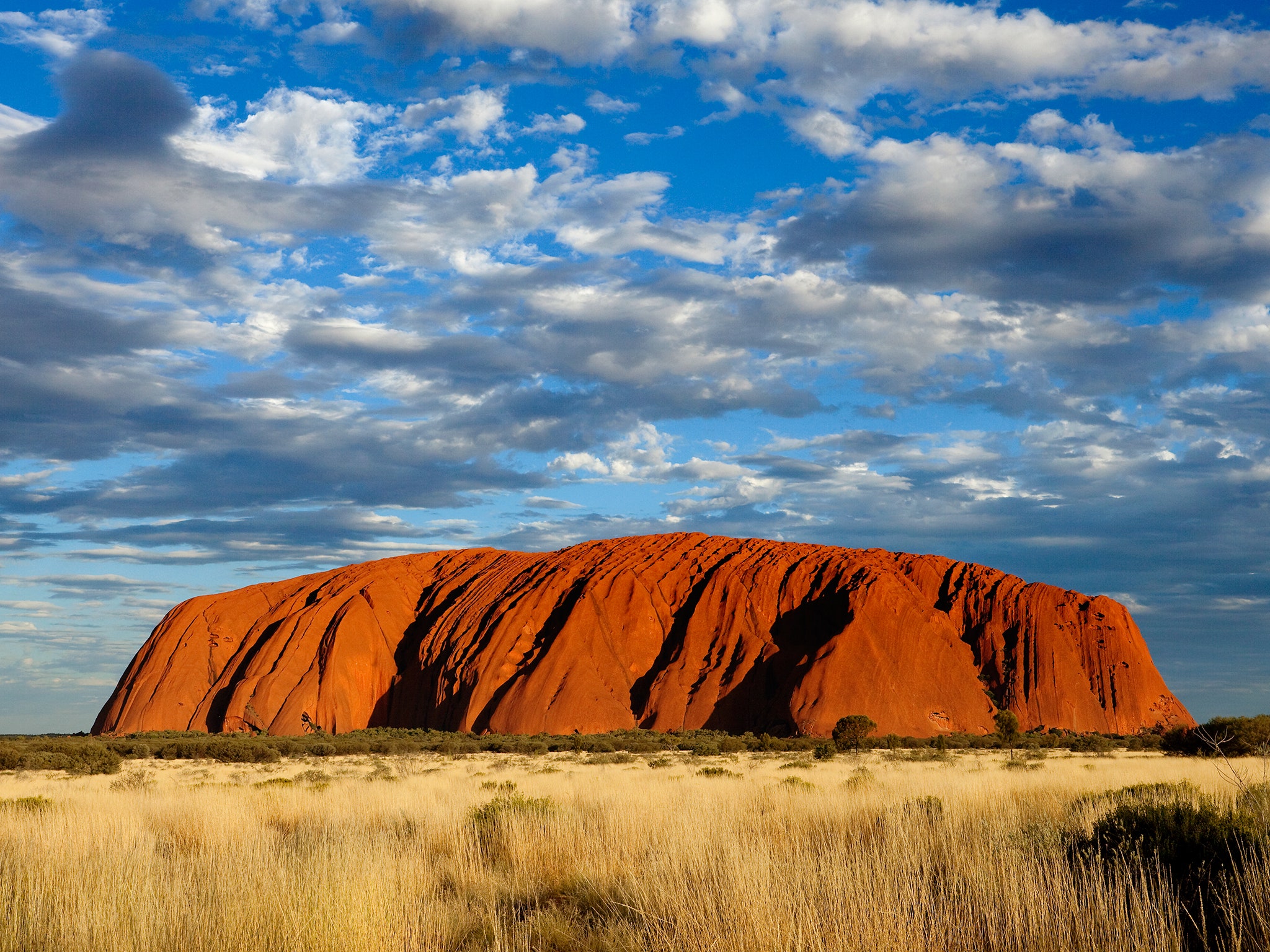
🪨Uluru (Ayers Rock)
A sacred monolith central to Aboriginal Australian creation stories.
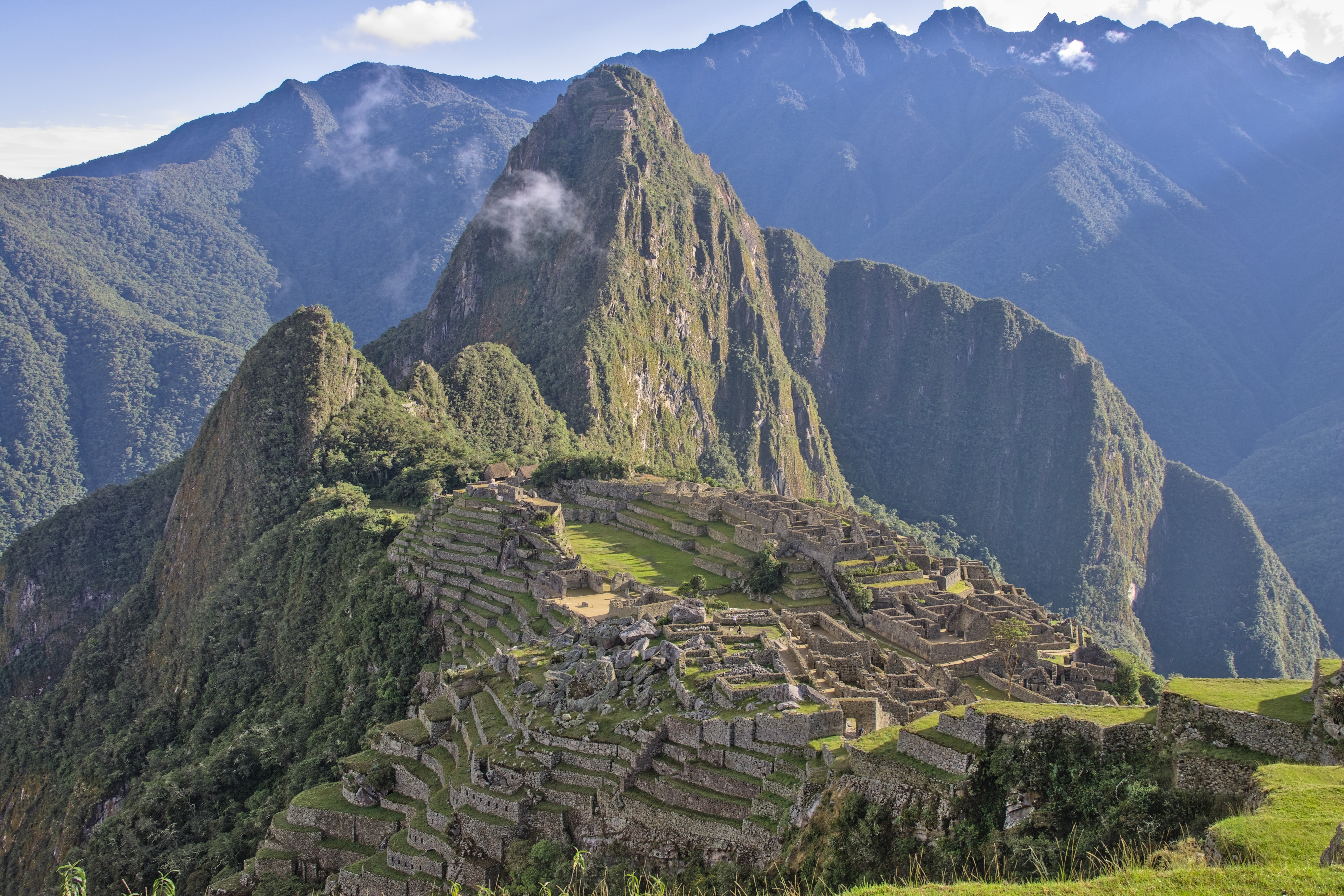
🏔️Machu Picchu
A sacred Inca citadel set high in the Andes, aligned with astronomical events.
⛪Vatican City (St. Peter's Basilica)
The spiritual center of Roman Catholicism and home of the Pope.
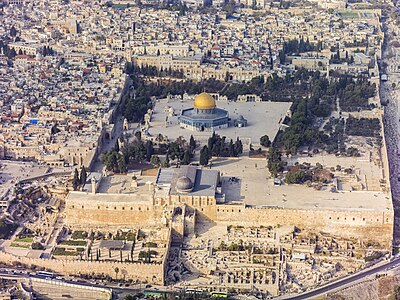
🕌Temple Mount / Al-Aqsa (Jerusalem)
Sacred to Judaism, Christianity, and Islam — the most contested holy site on Earth.

