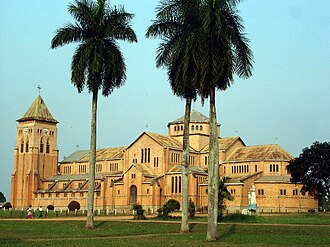
⛪ Kisantu Cathedral
Democratic Republic of the Congo
About This Sacred Site
The Cathedral of Kisantu, located in Kongo Central province, is one of the oldest and most historically significant Christian sites in the DRC. Established by Jesuit missionaries in the late 19th century, the mission grew into a major center of Catholic education, healthcare, and worship. The adjacent Kisantu Botanical Garden, founded in 1900, contains medicinal plants used in both traditional Kongo and Western healing practices. The cathedral represents the deep roots of Christianity in the Kongo region, where Catholic faith merged with local traditions to create a uniquely Congolese form of Christian expression.
History & Origins
Founded by Jesuit missionaries in the late 19th century, Kisantu Cathedral was established circa 1890 under the patronage of Belgian colonial authorities. The cathedral's construction coincided with the creation of the adjacent Kisantu Botanical Garden in 1900, which served both scientific and missionary purposes. Architectural renovations in 1927 introduced Romanesque elements, blending European styles with local artistry. The cathedral became a diocesan seat in 1959, shortly before Congolese independence. It survived periods of political instability during the Congo Crisis (1960-1965) with minimal damage. The structure underwent restoration in 2005 to preserve its stained glass windows and bell tower. It remains a focal point for religious and community gatherings in Kongo Central province, reflecting over a century of ecclesiastical history.
Spiritual Significance
The cathedral is a center for major Catholic festivals such as Easter Vigil and Christmas Masses, incorporating Kongo liturgical music traditions. Jesuit spiritual exercises introduced in the 20th century emphasize Ignatian prayer techniques practiced by local clergy and laypeople. The cathedral hosts annual pilgrimages on the feast of St. Peter and St. Paul, attracting worshippers who participate in processions and communal prayers. Its proximity to Kisantu Botanical Garden symbolizes the Jesuit commitment to education and stewardship of creation, reflected in sermons referencing Psalm 104 about God's creation. Liturgical celebrations often include readings from the Acts of the Apostles, highlighting missionary zeal. Confessionals are busy during Lent, as penitents seek reconciliation following Jesuit sacramental guidelines. These practices reinforce the cathedral's role in fostering spiritual growth in the heartland of the Kongo people.
Key Facts
- •Established by Jesuit missionaries in the late 19th century
- •Adjacent to the historic Kisantu Botanical Garden founded in 1900
- •Located in the Kongo Central province, heartland of the Kongo people
- •Christianity in the Kongo region dates back to Portuguese contact in 1491
- •The mission includes schools, a hospital, and the botanical garden
Location
Coordinates: -5.1333, 15.1000
Frequently Asked Questions
What religion is Kisantu Cathedral associated with?▾
Kisantu Cathedral is a Christianity holy site located in Democratic Republic of the Congo. It was established c. 1890s and is ranked #850 in our global directory of sacred sites.
When was Kisantu Cathedral established?▾
Kisantu Cathedral dates back to c. 1890s. Established by Jesuit missionaries in the late 19th century
How many people visit Kisantu Cathedral each year?▾
Kisantu Cathedral receives approximately 40,000 visitors per year. Adjacent to the historic Kisantu Botanical Garden founded in 1900
What is Kisantu Cathedral known for?▾
A historic Jesuit mission cathedral surrounded by botanical gardens in Kongo Central. Visitors come seeking healing, blessings, pilgrimage. Located in the Kongo Central province, heartland of the Kongo people
Related Holy Sites
Sacred places connected by country, religion, and purpose
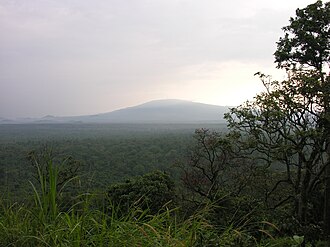
🌋Virunga Sacred Mountains
Active volcanoes and mountain gorilla habitat revered by local communities.
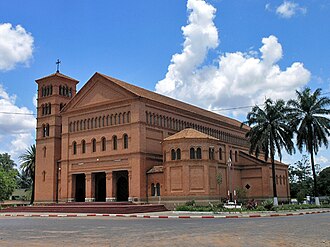
⛪Lubumbashi Cathedral
The grand Catholic cathedral of the DRC's second-largest city.
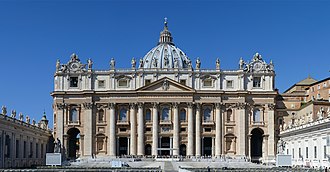
⛪Vatican City (St. Peter's Basilica)
The spiritual center of Roman Catholicism and home of the Pope.
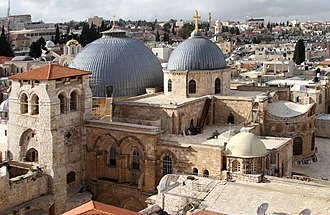
✝️Church of the Holy Sepulchre
The site where Jesus was crucified, buried, and resurrected.