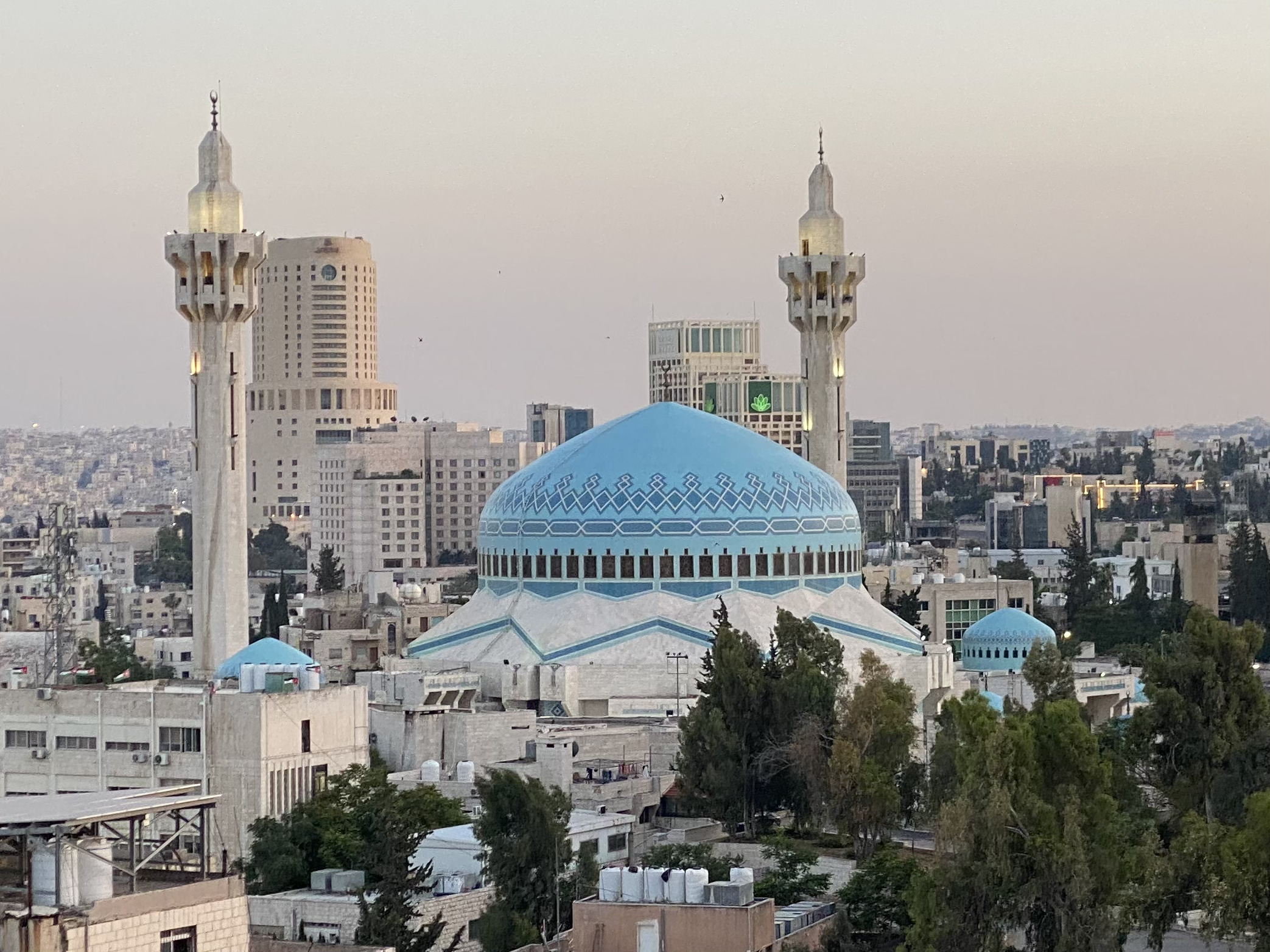
🕌 King Abdullah I Mosque
Jordan
About This Sacred Site
The King Abdullah I Mosque in Amman is one of Jordan’s most iconic religious landmarks, notable for its striking blue dome and expansive prayer hall. Completed in 1989, the mosque was commissioned to honor King Abdullah I, the founder of the Jordanian monarchy. It can accommodate up to 7,000 worshippers and is distinguished by its blend of traditional Islamic and modern architectural elements, featuring intricate geometric tile work, marble columns, and beautifully landscaped gardens. The mosque is open to visitors and serves as a major center for religious education and cultural activities in Jordan’s capital.
Spiritual Significance
The mosque, completed in 1989 under King Hussein's patronage, serves as a key site for communal prayers, especially during Eid al-Fitr and Eid al-Adha, accommodating up to 7,000 worshippers within its expansive prayer hall beneath the 35-meter diameter blue dome. Its accessibility as one of the few mosques in Jordan open to non-Muslims reflects the Islamic emphasis on hospitality and dawah (inviting others to Islam). The structure's prominent location in Amman facilitates Friday Jumu'ah prayers, which uphold the Quranic injunctions found in Surah Al-Jumu'ah (62:9) mandating communal worship. The mosque also hosts Quranic recitation competitions, honoring the tradition of Tajweed and Hafiz memorization, integral to Sunni Islamic practice. The ornate calligraphy inside includes verses from Surah Al-Fatiha and Surah Al-Ikhlas, underscoring theological themes of monotheism central to Islamic belief. The mosque's architectural grandeur and ritual use embody the Hashemite Kingdom's role as custodian of Islamic heritage in Jordan.
Key Facts
- •Built between 1982 and 1989 by King Hussein
- •The blue dome is 35 meters in diameter
- •Can accommodate 7,000 worshippers inside
- •One of the few mosques in Jordan open to non-Muslims
- •Named in honor of King Abdullah I, founder of modern Jordan
Location
Coordinates: 31.9539, 35.9106
Frequently Asked Questions
What religion is King Abdullah I Mosque associated with?▾
King Abdullah I Mosque is a Islam holy site located in Jordan. It was established 1989 and is ranked #826 in our global directory of sacred sites.
When was King Abdullah I Mosque established?▾
King Abdullah I Mosque dates back to 1989. Built between 1982 and 1989 by King Hussein
How many people visit King Abdullah I Mosque each year?▾
King Abdullah I Mosque receives approximately 400,000 visitors per year. The blue dome is 35 meters in diameter
What is King Abdullah I Mosque known for?▾
Amman's iconic blue-domed mosque, one of the few in Jordan open to non-Muslim visitors. Visitors come seeking peace, guidance, blessings, meditation. Can accommodate 7,000 worshippers inside
Related Holy Sites
Sacred places connected by country, religion, and purpose
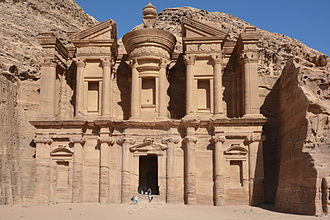
🏛️Petra
The rose-red Nabataean city carved into sandstone cliffs, one of the New Seven Wonders.
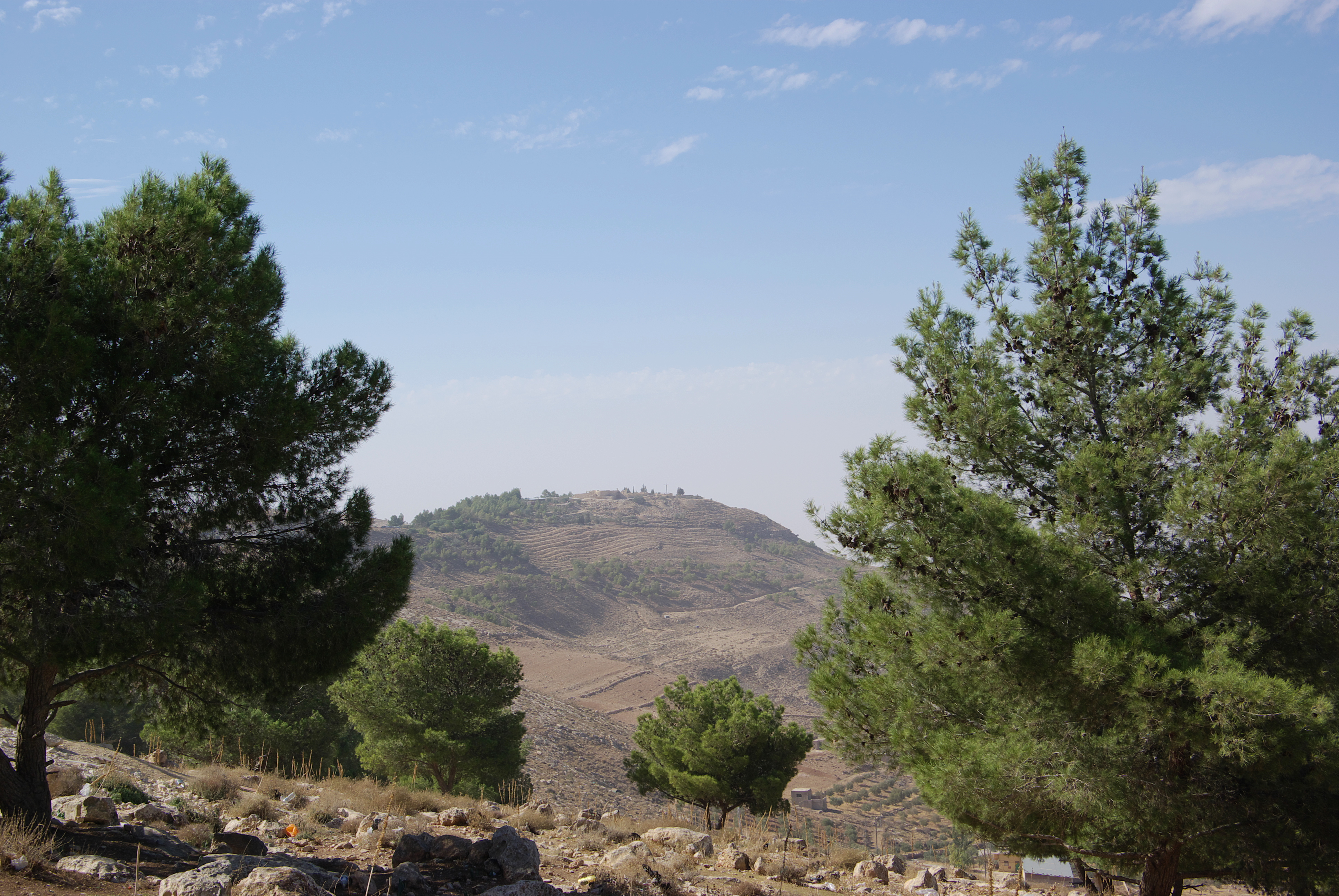
⛰️Mount Nebo
The biblical mountain where Moses viewed the Promised Land before his death.