⛪ Kazan Cathedral (St. Petersburg)
Russia
About This Sacred Site
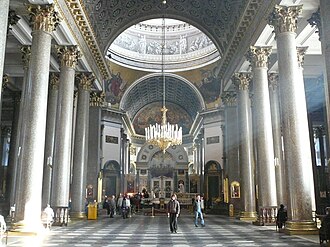
Kazan Cathedral on Nevsky Prospekt in St. Petersburg is an architectural masterpiece inspired by St. Peter's Basilica in Rome. Built from 1801 to 1811, it is dedicated to Our Lady of Kazan, one of Russia’s most venerated icons. The cathedral became a symbol of Russian victory over Napoleon after the Patriotic War of 1812, with the tomb of General Mikhail Kutuzov inside. Its grand colonnade, neoclassical facade, and richly decorated interior make it a vital religious and cultural landmark in the city.
History & Origins
Designed by architect Andrei Voronikhin and completed in 1811, the cathedral was commissioned by Emperor Alexander I following the Napoleonic Wars. Its 96-column colonnade draws inspiration from the colonnades of St. Peter's Square in Vatican City, embodying Neoclassical architectural principles. The cathedral was consecrated to Our Lady of Kazan, an icon believed to have protected Russia during invasions. After the October Revolution, it was repurposed as the Museum of the History of Religion and Atheism in 1932, before returning to the Russian Orthodox Church in 1991. Its crypt houses the tomb of the famed Russian Field Marshal Mikhail Kutuzov, linking the site to Russia’s military history. The cathedral underwent significant restoration in the late 20th century, reinforcing its religious and cultural prominence in Saint Petersburg.
Spiritual Significance
The cathedral is a major pilgrimage site due to its housing of the Our Lady of Kazan icon, revered as a protector of Russia and a symbol of national unity. The feast day of the icon on July 21st draws thousands of worshippers who participate in processions and special liturgies. The cathedral’s liturgical practices include the chanting of akathists to the Theotokos, invoking her intercession according to Orthodox tradition. It serves as a focal point during the Victory Day commemorations, intertwining spiritual and national remembrance. Pilgrims often engage in the ritual of venerating the icon, kissing it as a sign of devotion. The cathedral’s design emphasizes openness to the public, symbolizing the church’s role in communal prayers and national spiritual identity.
Key Facts
- •Designed by architect Andrei Voronikhin and completed in 1811
- •Its 96-column colonnade was inspired by St. Peter's Square in Rome
- •Houses the Our Lady of Kazan icon, Russia's most venerated Marian image
- •Field Marshal Kutuzov, hero of the Napoleonic Wars, is buried inside
- •Served as the Museum of the History of Religion during the Soviet era
Location
Coordinates: 59.9343, 30.3244
Frequently Asked Questions
What religion is Kazan Cathedral (St. Petersburg) associated with?▾
Kazan Cathedral (St. Petersburg) is a Christianity holy site located in Russia. It was established 1811 and is ranked #702 in our global directory of sacred sites.
When was Kazan Cathedral (St. Petersburg) established?▾
Kazan Cathedral (St. Petersburg) dates back to 1811. Designed by architect Andrei Voronikhin and completed in 1811
How many people visit Kazan Cathedral (St. Petersburg) each year?▾
Kazan Cathedral (St. Petersburg) receives approximately 1 million visitors per year. Its 96-column colonnade was inspired by St. Peter's Square in Rome
What is Kazan Cathedral (St. Petersburg) known for?▾
Neoclassical cathedral in St. Petersburg housing the revered Our Lady of Kazan icon. Visitors come seeking protection, blessings, healing, guidance. Houses the Our Lady of Kazan icon, Russia's most venerated Marian image
Related Holy Sites
Sacred places connected by country, religion, and purpose
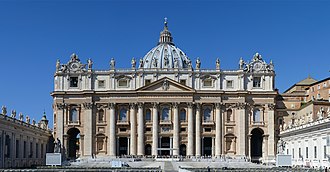
⛪Vatican City (St. Peter's Basilica)
The spiritual center of Roman Catholicism and home of the Pope.
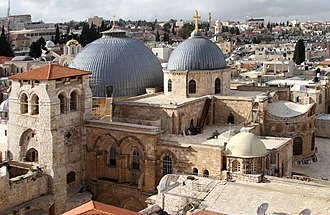
✝️Church of the Holy Sepulchre
The site where Jesus was crucified, buried, and resurrected.