🕌 Katara Cultural Village Mosque
Qatar
About This Sacred Site
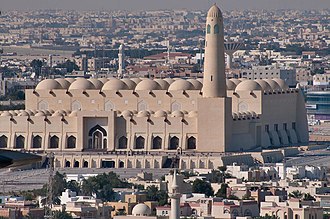
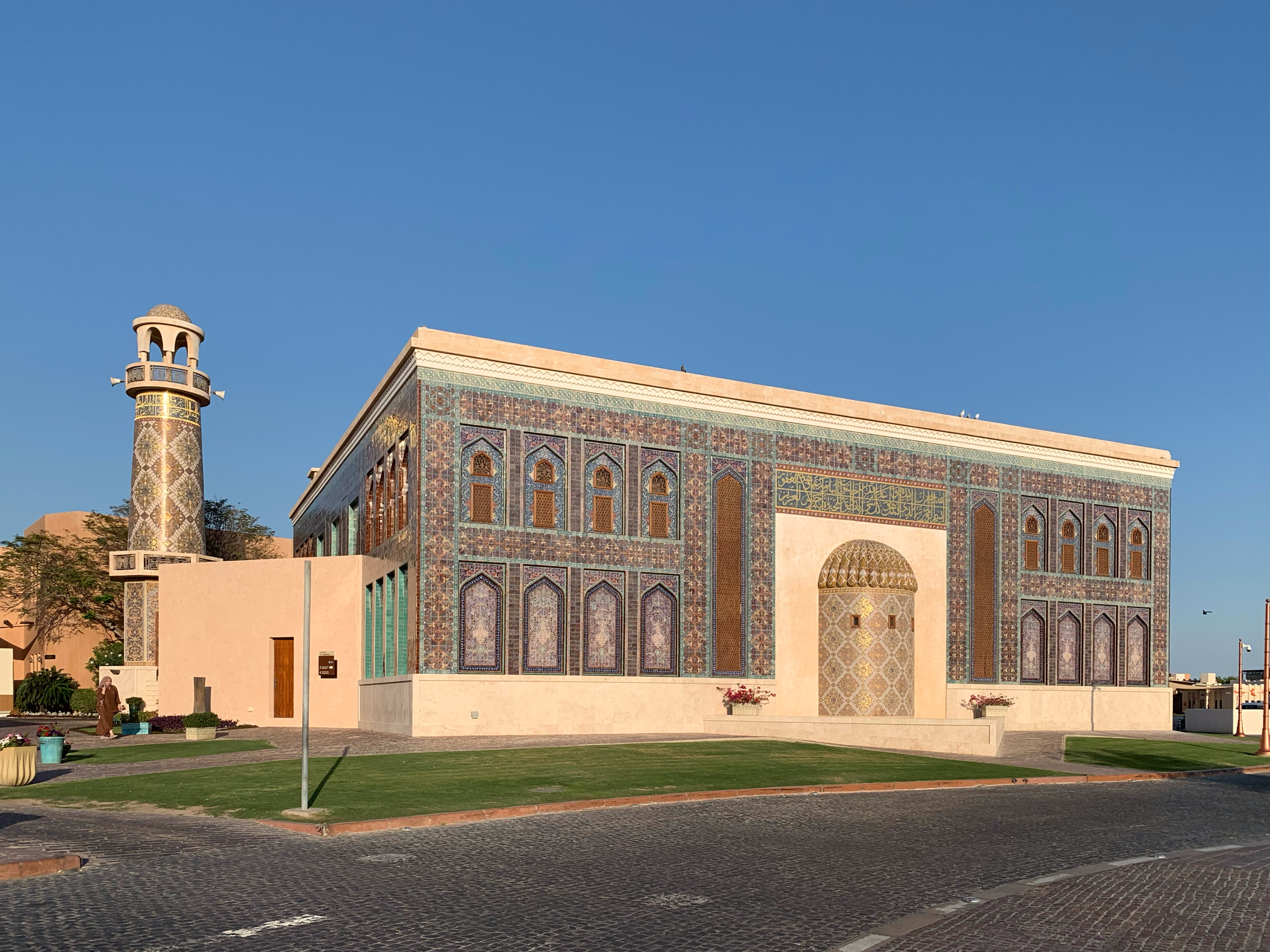
The Katara Mosque is a strikingly modern mosque within the Katara Cultural Village in Doha, Qatar's premier center for arts and culture. Designed by Turkish architect Zeynep Fadillioglu, it features a unique blend of Ottoman-inspired and contemporary design with colorful tilework and unconventional geometric patterns. The Katara Cultural Village itself represents Qatar's commitment to preserving and promoting Islamic arts and heritage. The mosque has become one of the most photographed buildings in Doha.
Spiritual Significance
Designed by Turkish architect Zeynep Fadillioglu and established in 2010 within Doha's Katara Cultural Village, the mosque uniquely integrates Ottoman and contemporary architectural styles, reflecting a dialogue between tradition and modernity in Islamic worship spaces. The mosque hosts regular daily prayers and special events during Ramadan, including iftar gatherings and taraweeh prayers led by renowned imams. It is a focal point during the annual Katara Festival, where spiritual lectures on Sufism and Islamic art are held, highlighting the mosque's role in promoting theological education and cultural exchange. The mosque's design incorporates calligraphic inscriptions of Quranic verses, facilitating devotional focus, and the site encourages pilgrimage practices that emphasize community engagement and interfaith understanding within Qatar's diverse population.
Key Facts
- •Designed by Turkish architect Zeynep Fadillioglu
- •Located within Katara Cultural Village, Doha's arts hub
- •Features a unique blend of Ottoman and contemporary design
- •One of the most photographed buildings in Doha
- •Katara Cultural Village hosts festivals celebrating Islamic heritage
Location
Coordinates: 25.3597, 51.5264
Frequently Asked Questions
What religion is Katara Cultural Village Mosque associated with?▾
Katara Cultural Village Mosque is a Islam holy site located in Qatar. It was established 2010 and is ranked #816 in our global directory of sacred sites.
When was Katara Cultural Village Mosque established?▾
Katara Cultural Village Mosque dates back to 2010. Designed by Turkish architect Zeynep Fadillioglu
How many people visit Katara Cultural Village Mosque each year?▾
Katara Cultural Village Mosque receives approximately 500,000 visitors per year. Located within Katara Cultural Village, Doha's arts hub
What is Katara Cultural Village Mosque known for?▾
A uniquely designed mosque with colorful tilework in Qatar's premier cultural center. Visitors come seeking peace, spiritual enlightenment, guidance, meditation. Features a unique blend of Ottoman and contemporary design
Related Holy Sites
Sacred places connected by country, religion, and purpose