
🪨 Kata Tjuta (The Olgas)
Australia
About This Sacred Site
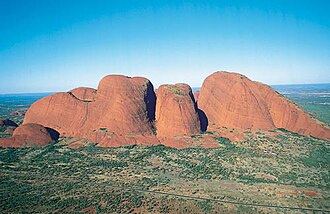
Kata Tjuta (meaning 'many heads' in the Pitjantjatjara language) is a group of 36 massive domed rock formations located about 25 kilometers from Uluru. While less famous than its neighbor, Kata Tjuta is considered by the Anangu people to hold even deeper spiritual significance, particularly in relation to men's ceremonial law. The tallest dome, Mount Olga, rises 546 meters above the surrounding plain — 198 meters higher than Uluru. The site is integral to the Tjukurpa (creation stories) of the Anangu, and much of its sacred knowledge is restricted and cannot be shared with outsiders. The Valley of the Winds walk passes through the gorges between the domes, revealing the immense scale of these formations.
Spiritual Significance
Regarded as more spiritually significant than Uluru by the Anangu people, this ancient natural formation rises 546 meters above the surrounding plain, outstripping Uluru by 198 meters in height. The site has been sacred for over 40,000 years, serving as a focal point for Tjukurpa, the Anangu law and creation stories, which describe the origins and travels of ancestral beings shaping the land. Rituals conducted here include initiation ceremonies and storytelling sessions that pass down traditional knowledge through songlines associated with the Olgas' domed rock formations. Access to certain parts of the site is restricted to initiated elders, reflecting its deep ritual importance. Seasonal gatherings mark changes in the environment and spiritual calendar, aligning with the movements of ancestral spirits. The site’s geology, composed primarily of conglomerate rock, is intertwined with cosmology, grounding spiritual beliefs in the physical landscape.
Key Facts
- •Considered even more spiritually significant than Uluru by the Anangu people
- •Mount Olga rises 546 meters above the plain — 198 meters higher than Uluru
- •Much of Kata Tjuta's sacred knowledge is restricted and cannot be shared publicly
- •The 36 domes are composed of conglomerate rock over 500 million years old
- •Part of the Uluru-Kata Tjuta National Park, UNESCO World Heritage Site since 1987
Location
Coordinates: -25.3050, 130.7330
Frequently Asked Questions
What religion is Kata Tjuta (The Olgas) associated with?▾
Kata Tjuta (The Olgas) is a Indigenous holy site located in Australia. It was established Ancient (natural formation; sacred for 40,000+ years) and is ranked #477 in our global directory of sacred sites.
When was Kata Tjuta (The Olgas) established?▾
Kata Tjuta (The Olgas) dates back to Ancient (natural formation; sacred for 40,000+ years). Considered even more spiritually significant than Uluru by the Anangu people
How many people visit Kata Tjuta (The Olgas) each year?▾
Kata Tjuta (The Olgas) receives approximately 400,000 visitors per year. Mount Olga rises 546 meters above the plain — 198 meters higher than Uluru
What is Kata Tjuta (The Olgas) known for?▾
A sacred group of 36 massive rock domes near Uluru, central to Anangu men's spiritual law. Visitors come seeking spiritual enlightenment, ancestral connection, meditation, peace. Much of Kata Tjuta's sacred knowledge is restricted and cannot be shared publicly
Related Holy Sites
Sacred places connected by country, religion, and purpose
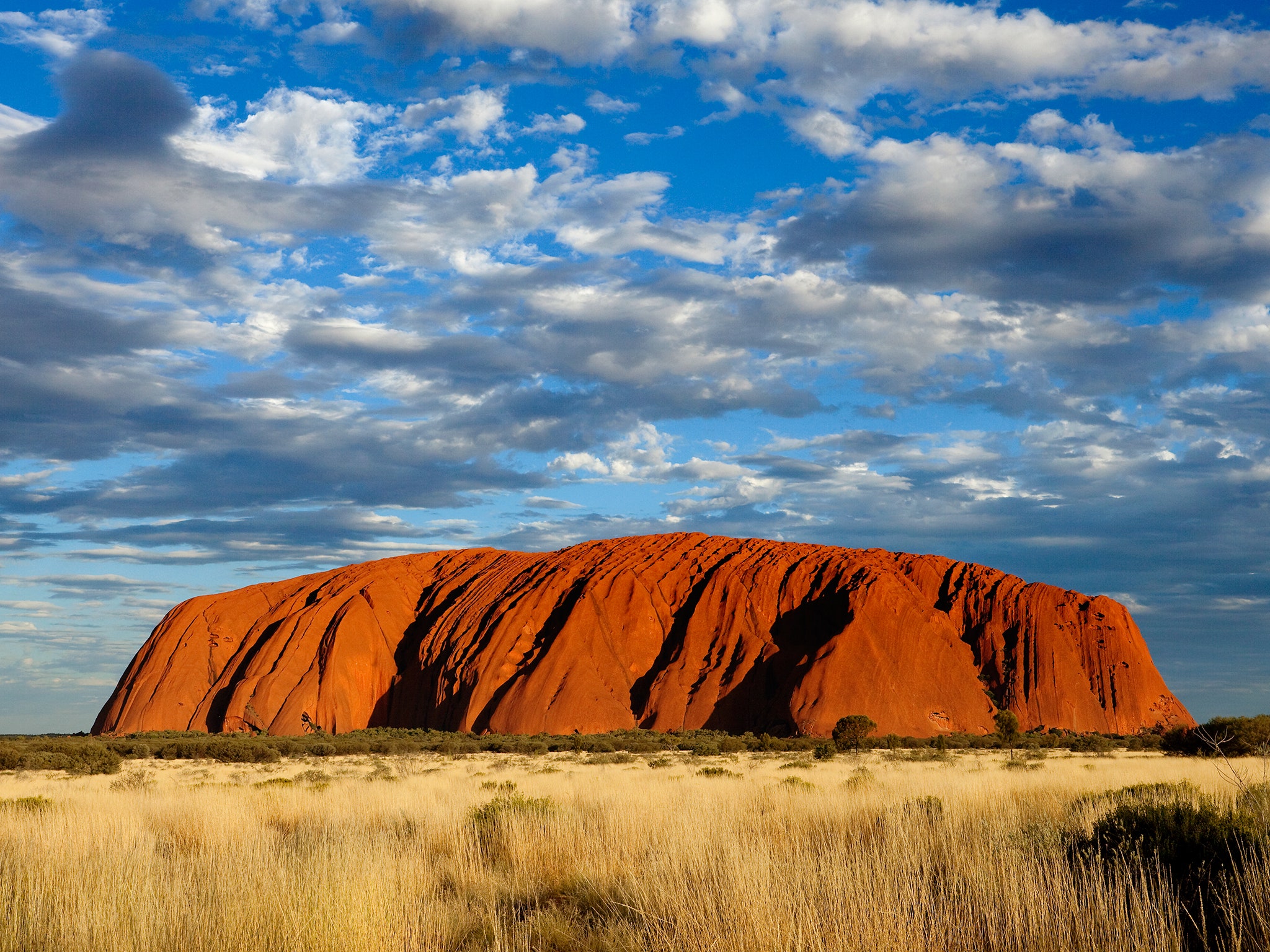
🪨Uluru (Ayers Rock)
A sacred monolith central to Aboriginal Australian creation stories.
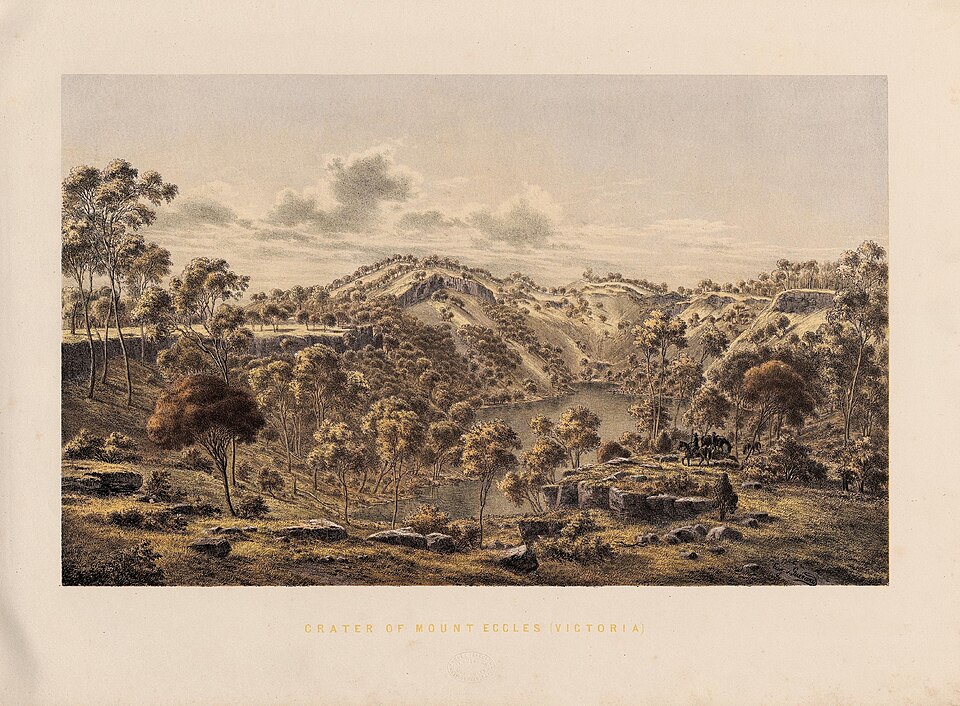
🌋Budj Bim Cultural Landscape
A 6,600-year-old Aboriginal aquaculture system, older than the Egyptian pyramids.
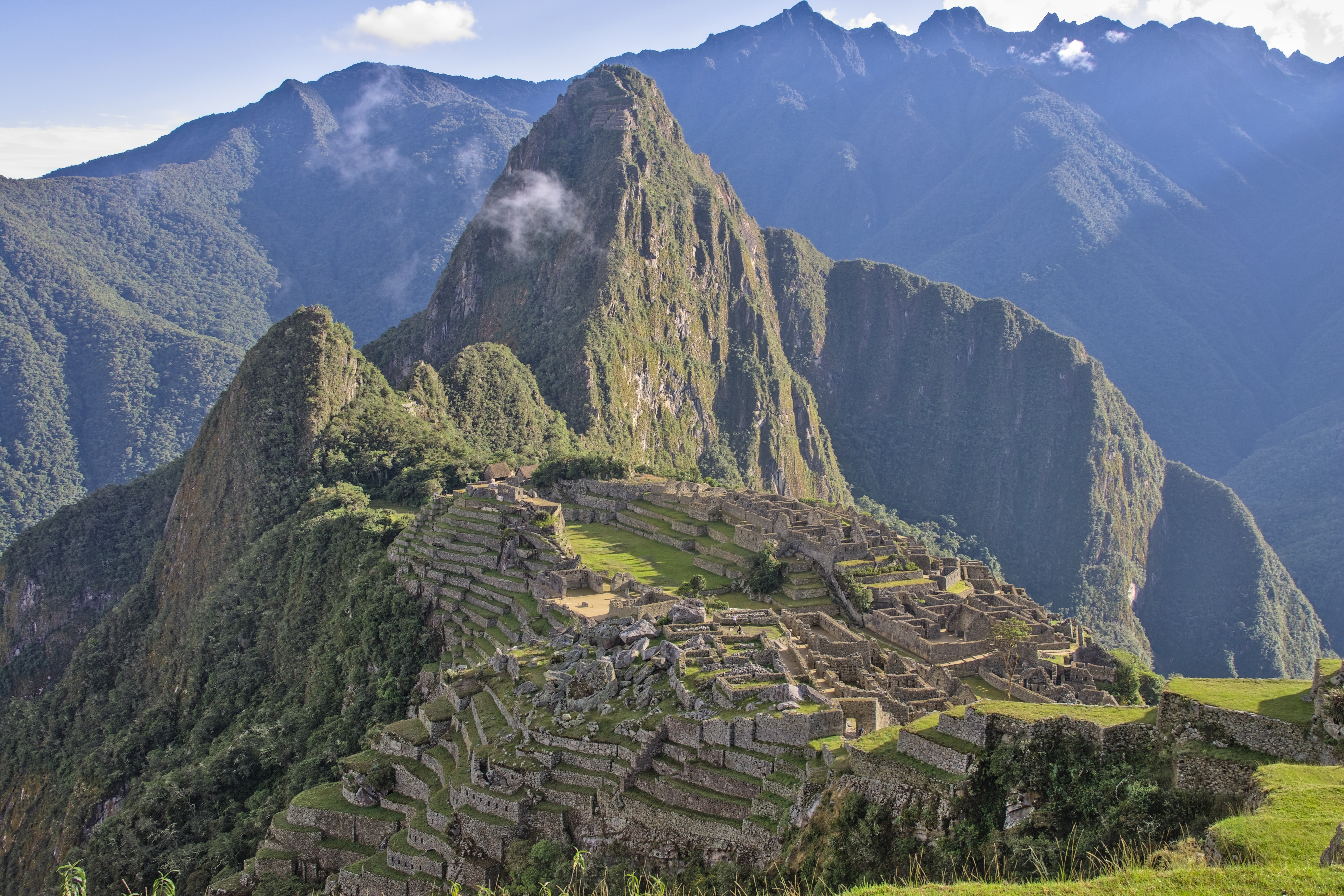
🏔️Machu Picchu
A sacred Inca citadel set high in the Andes, aligned with astronomical events.
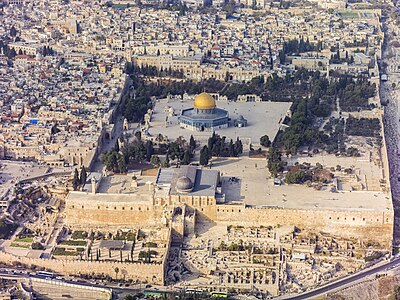
🕌Temple Mount / Al-Aqsa (Jerusalem)
Sacred to Judaism, Christianity, and Islam — the most contested holy site on Earth.
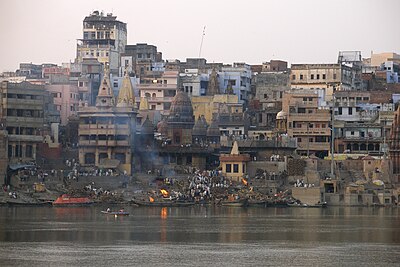
🙏Varanasi (Kashi Vishwanath Temple)
The holiest city in Hinduism, where the Ganges River purifies the soul.

