
🪨 Karlu Karlu (Devils Marbles)
Australia
About This Sacred Site
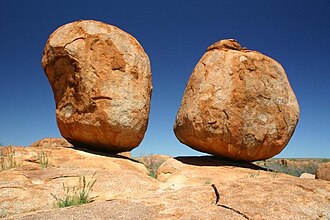
Karlu Karlu (Devils Marbles) is a collection of enormous granite boulders scattered across a shallow valley in the Northern Territory. Some balanced precariously atop one another, these rounded rocks — some as large as 6 meters across — are of profound spiritual significance to several Aboriginal groups, particularly the Warumungu, Kaytetye, Alyawarre, and Warlpiri peoples. In Warumungu tradition, the boulders are the eggs of the Rainbow Serpent, one of the most powerful creator beings in Aboriginal cosmology. The site has been a sacred meeting place, ceremonial ground, and Dreaming track crossing for thousands of generations. At sunrise and sunset, the granite glows a deep red, enhancing the spiritual atmosphere.
History & Origins
These ancient granite boulders, some exceeding 6 meters in diameter, have been recognized as a sacred Indigenous site for millennia by the Warumungu people in the Northern Territory of Australia. Traditionally, the boulders are believed to be the eggs of the Rainbow Serpent, a central figure in Aboriginal creation mythology. The site has been subject to careful preservation efforts since the mid-20th century, with formal protection established under the Northern Territory Parks and Wildlife Commission in the 1960s. Historically, the area served as a meeting place for ceremonial gatherings and trade among Aboriginal groups. The balancing stones, precariously perched on narrow points, have attracted scientific interest for their geological formation dating back over 1.7 billion years. Modern management involves collaboration between Indigenous custodians and government agencies to maintain cultural integrity and ecological conservation.
Spiritual Significance
The Warumungu people conduct ceremonies at these boulders to honor the Rainbow Serpent, whose eggs symbolize fertility and the creation of the land and watercourses. Rituals include the singing of traditional songs, dancing, and storytelling that recount ancestral narratives linked to the formation of the boulders. Pilgrims from surrounding communities gather during seasonal events to perform rites of passage and renewal, emphasizing the site's role in social cohesion and spiritual continuity. Specific rock formations are associated with particular Dreaming stories, serving as tangible links to ancestral beings. The spiritual doctrine integrates natural phenomena with cosmology, reflecting Aboriginal belief systems that connect physical landscape features with the origins of life and law.
Key Facts
- •The Warumungu people believe the boulders are the eggs of the Rainbow Serpent
- •Some boulders are over 6 meters in diameter and balance precariously on tiny points
- •Sacred to multiple Aboriginal groups including Warumungu, Kaytetye, Alyawarre, and Warlpiri
- •Registered as a sacred site under the Northern Territory Aboriginal Sacred Sites Act
- •The granite boulders were formed around 1.7 billion years ago
Location
Coordinates: -20.5667, 134.2667
Frequently Asked Questions
What religion is Karlu Karlu (Devils Marbles) associated with?▾
Karlu Karlu (Devils Marbles) is a Indigenous holy site located in Australia. It was established Ancient (natural formation; sacred for millennia) and is ranked #920 in our global directory of sacred sites.
When was Karlu Karlu (Devils Marbles) established?▾
Karlu Karlu (Devils Marbles) dates back to Ancient (natural formation; sacred for millennia). The Warumungu people believe the boulders are the eggs of the Rainbow Serpent
How many people visit Karlu Karlu (Devils Marbles) each year?▾
Karlu Karlu (Devils Marbles) receives approximately 100,000 visitors per year. Some boulders are over 6 meters in diameter and balance precariously on tiny points
What is Karlu Karlu (Devils Marbles) known for?▾
Massive balanced boulders in the Northern Territory, sacred 'eggs of the Rainbow Serpent.' Visitors come seeking ancestral connection, spiritual enlightenment, protection, guidance. Sacred to multiple Aboriginal groups including Warumungu, Kaytetye, Alyawarre, and Warlpiri
Related Holy Sites
Sacred places connected by country, religion, and purpose
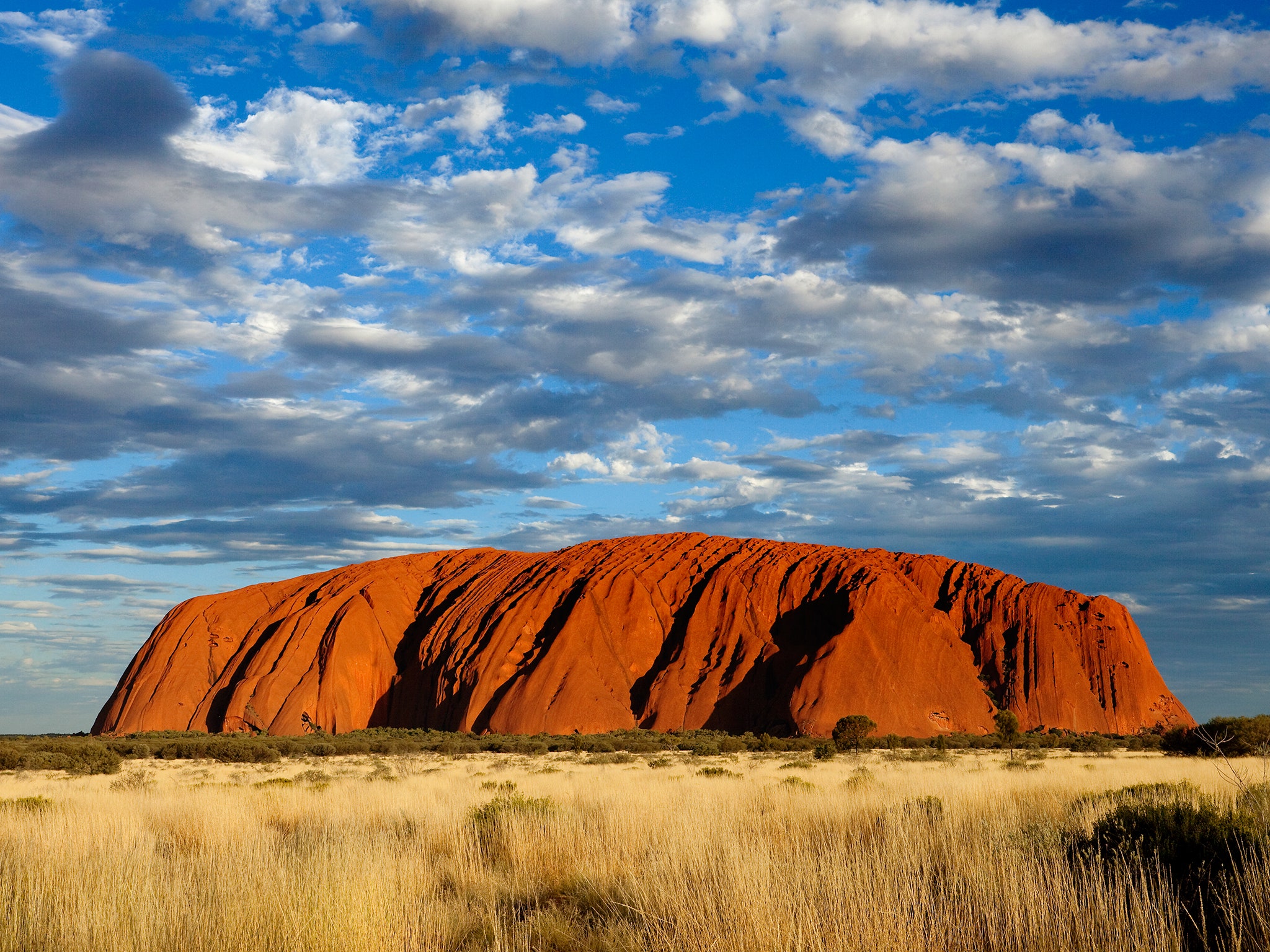
🪨Uluru (Ayers Rock)
A sacred monolith central to Aboriginal Australian creation stories.
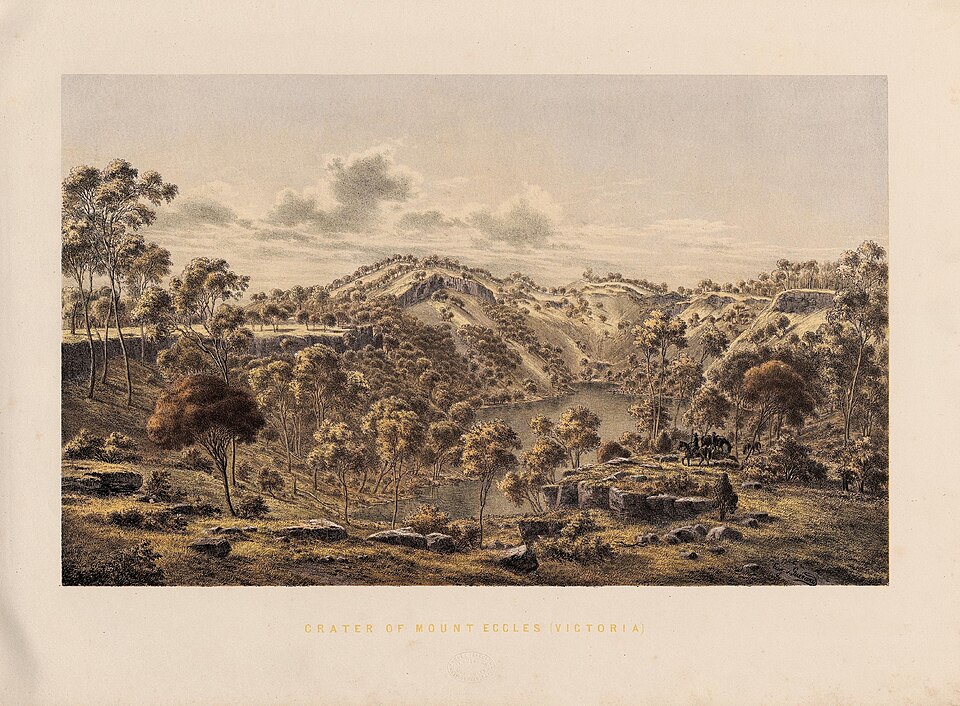
🌋Budj Bim Cultural Landscape
A 6,600-year-old Aboriginal aquaculture system, older than the Egyptian pyramids.
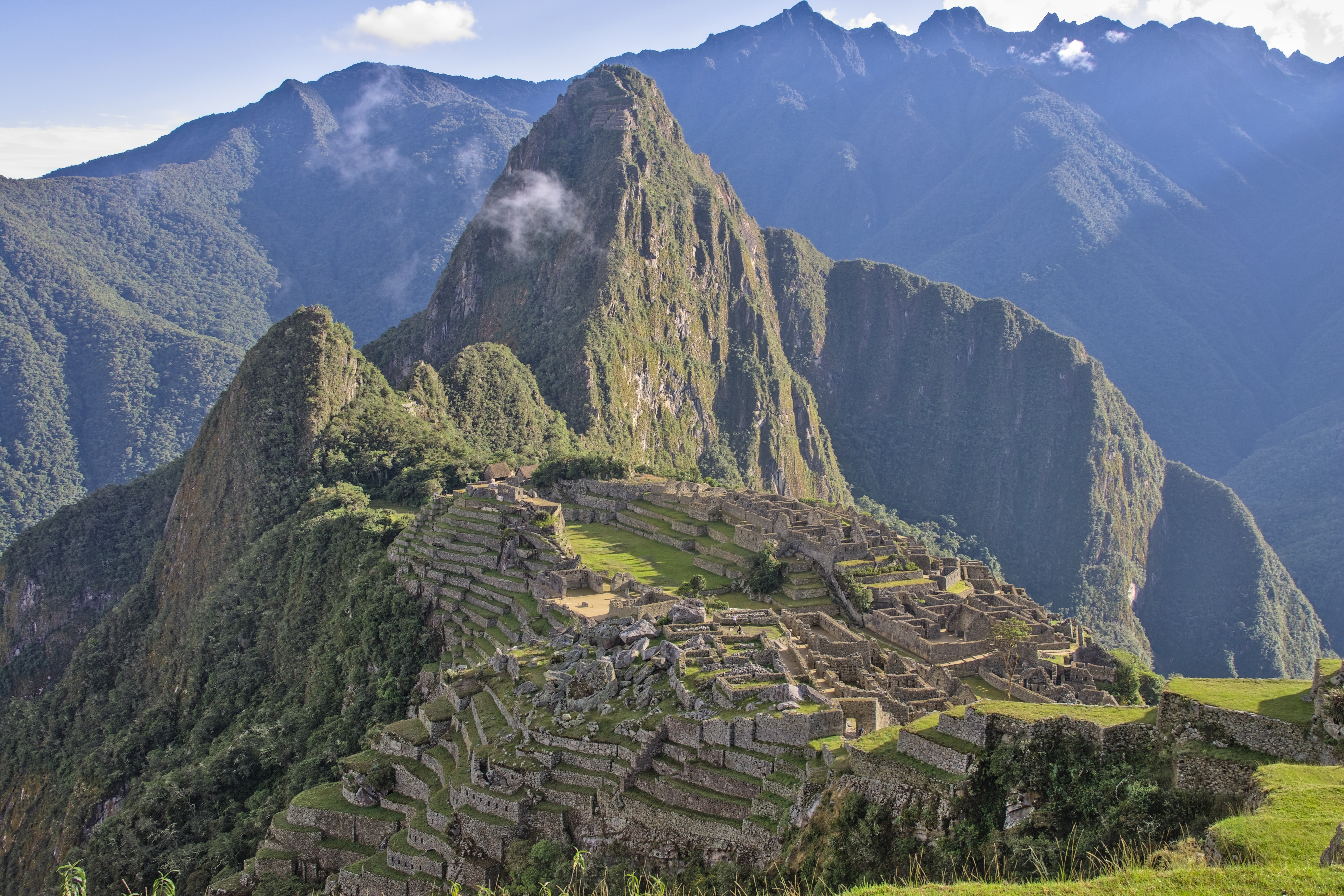
🏔️Machu Picchu
A sacred Inca citadel set high in the Andes, aligned with astronomical events.
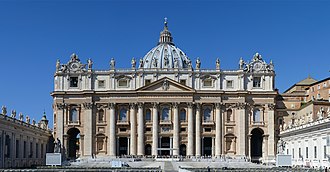
⛪Vatican City (St. Peter's Basilica)
The spiritual center of Roman Catholicism and home of the Pope.

🕌Temple Mount / Al-Aqsa (Jerusalem)
Sacred to Judaism, Christianity, and Islam — the most contested holy site on Earth.

