
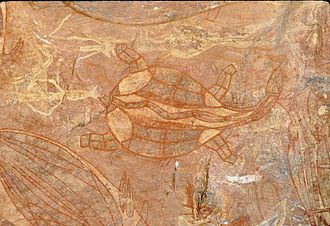
🎨 Kakadu Rock Art Sites (Ubirr and Nourlangie)
Australia
About This Sacred Site
Kakadu National Park in the Northern Territory contains some of the most significant and extensive collections of rock art in the world, representing the longest continuing art tradition on Earth — spanning at least 20,000 years. The two most famous galleries, Ubirr and Nourlangie (Burrungkuy), contain thousands of paintings depicting Dreaming ancestors, animals, hunting scenes, contact-era subjects, and X-ray-style art showing the internal organs of animals. For the Bininj/Mungguy Aboriginal people, these are not merely art — they are records of creation left by ancestral beings and are integral to living spiritual practice. Some paintings are regularly retouched as part of ongoing ceremonial traditions.
Spiritual Significance
The rock art galleries at Ubirr and Nourlangie within Kakadu National Park serve as a crucial spiritual archive for the Bininj/Mungguy peoples, who have inhabited the area for over 20,000 years. The art includes depictions of ancestral beings from the Dreamtime, such as the Rainbow Serpent, integral to creation stories recorded in oral traditions. Annual ceremonies, like the Mamurrng Festival, celebrate the cultural and spiritual connection to the land and these artworks, featuring traditional dances and storytelling by indigenous elders. Pilgrims often visit specific rock shelters to perform rituals seeking guidance or blessings, following protocols outlined by clan custodians. The spiritual importance is also reflected in the maintenance of the sites, which are treated as sacred spaces embodying ancestral presence, with some images believed to hold protective powers. The art’s longevity marks it as the longest continuing art tradition on Earth, embedding theological cosmology central to the region’s indigenous spirituality.
Key Facts
- •Contains rock art spanning at least 20,000 years — the longest continuing art tradition on Earth
- •Over 5,000 recorded rock art sites within Kakadu National Park
- •UNESCO World Heritage Site recognized for both natural and cultural values
- •X-ray-style paintings showing animal internal organs are unique to this region
- •Some paintings are still regularly retouched as part of living ceremonial practice
Location
Coordinates: -12.4167, 132.9500
Frequently Asked Questions
What religion is Kakadu Rock Art Sites (Ubirr and Nourlangie) associated with?▾
Kakadu Rock Art Sites (Ubirr and Nourlangie) is a Indigenous holy site located in Australia. It was established c. 20,000+ years ago and is ranked #562 in our global directory of sacred sites.
When was Kakadu Rock Art Sites (Ubirr and Nourlangie) established?▾
Kakadu Rock Art Sites (Ubirr and Nourlangie) dates back to c. 20,000+ years ago. Contains rock art spanning at least 20,000 years — the longest continuing art tradition on Earth
How many people visit Kakadu Rock Art Sites (Ubirr and Nourlangie) each year?▾
Kakadu Rock Art Sites (Ubirr and Nourlangie) receives approximately 200,000 visitors per year. Over 5,000 recorded rock art sites within Kakadu National Park
What is Kakadu Rock Art Sites (Ubirr and Nourlangie) known for?▾
The world's longest continuing art tradition — Aboriginal rock paintings spanning 20,000+ years. Visitors come seeking ancestral connection, spiritual enlightenment, guidance, peace. UNESCO World Heritage Site recognized for both natural and cultural values
Related Holy Sites
Sacred places connected by country, religion, and purpose
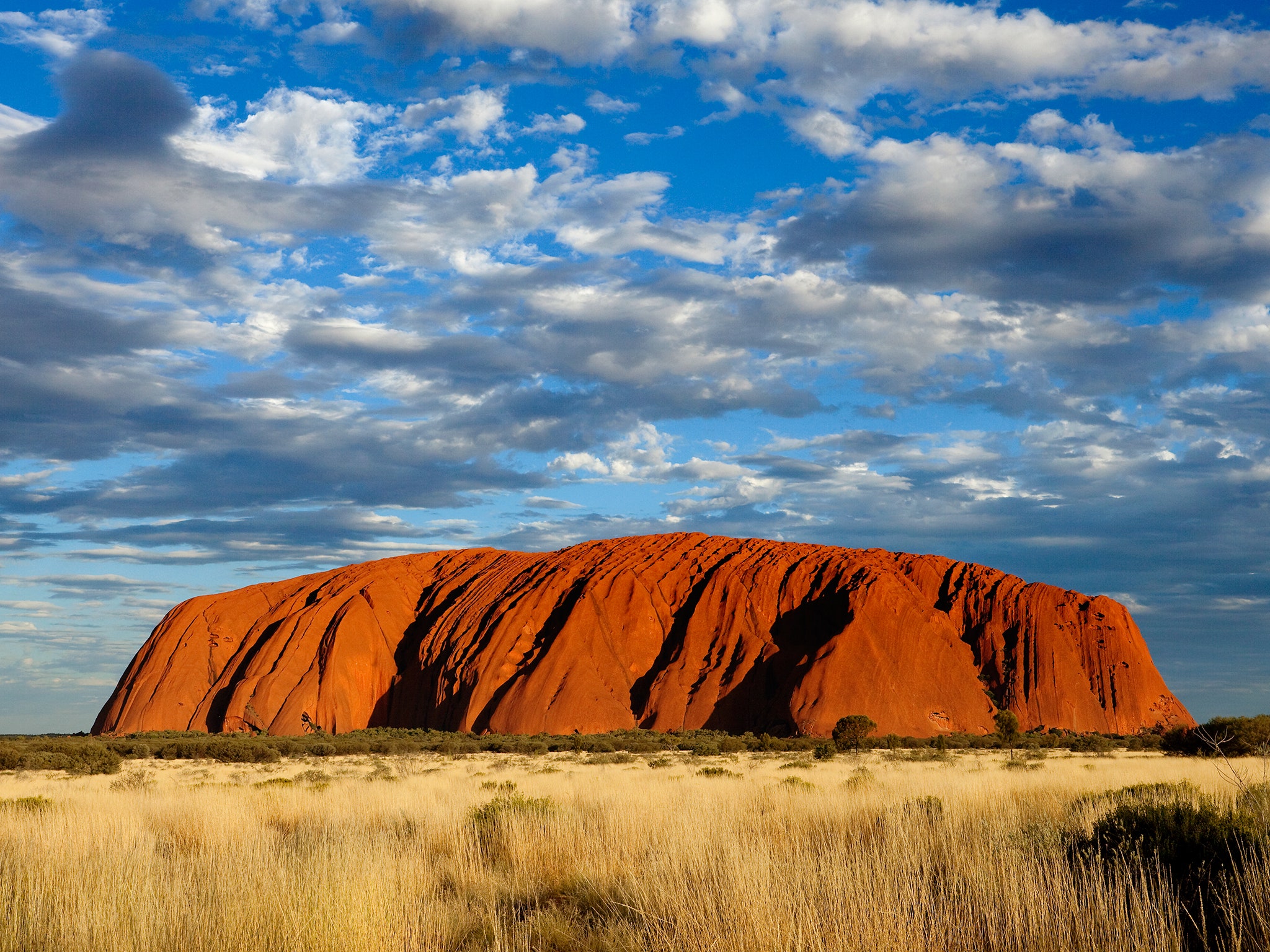
🪨Uluru (Ayers Rock)
A sacred monolith central to Aboriginal Australian creation stories.
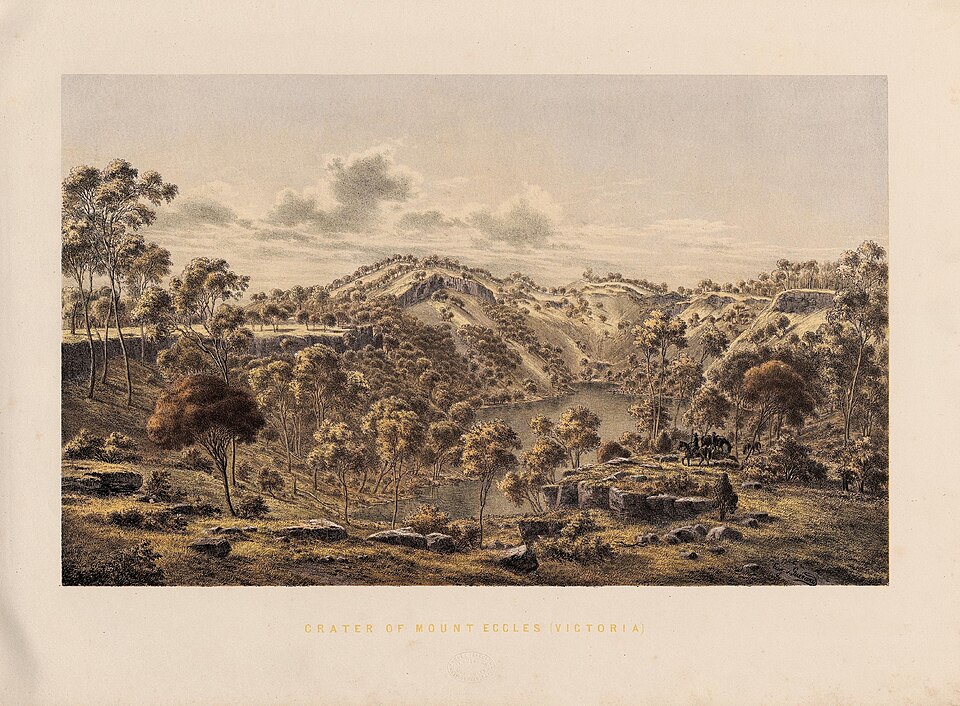
🌋Budj Bim Cultural Landscape
A 6,600-year-old Aboriginal aquaculture system, older than the Egyptian pyramids.
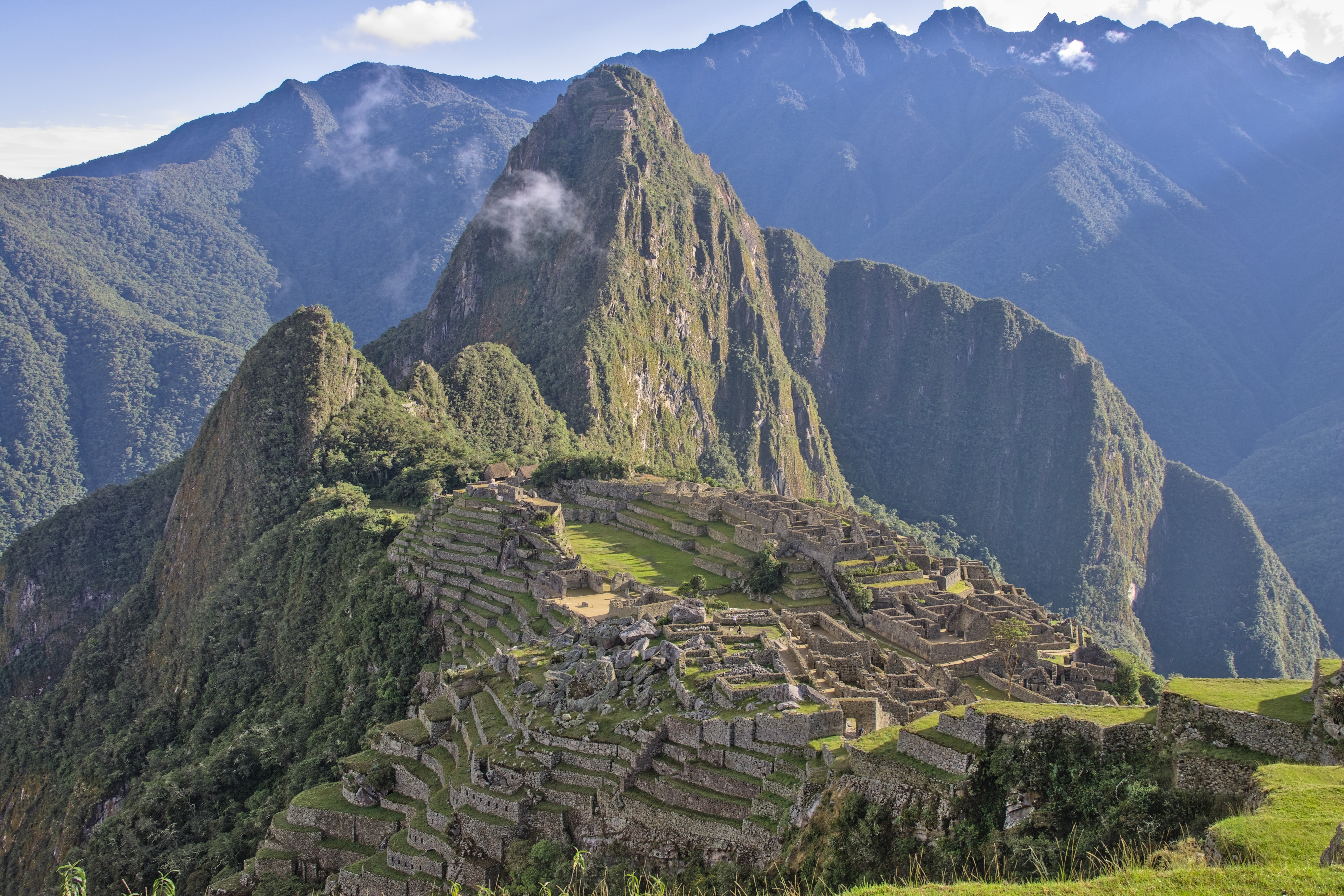
🏔️Machu Picchu
A sacred Inca citadel set high in the Andes, aligned with astronomical events.
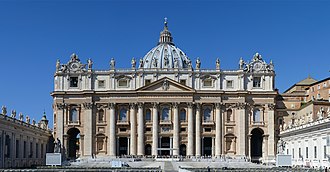
⛪Vatican City (St. Peter's Basilica)
The spiritual center of Roman Catholicism and home of the Pope.
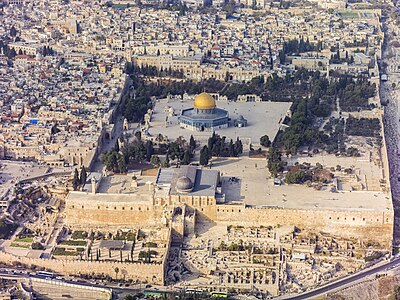
🕌Temple Mount / Al-Aqsa (Jerusalem)
Sacred to Judaism, Christianity, and Islam — the most contested holy site on Earth.

