🕌 Jumeirah Mosque
United Arab Emirates
About This Sacred Site
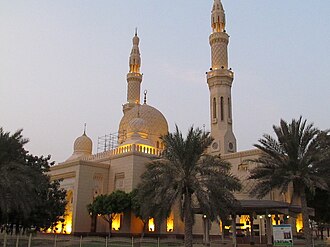
Jumeirah Mosque is one of the most beautiful mosques in Dubai and a landmark of the Jumeirah waterfront. Built in 1979 in the medieval Fatimid style with twin minarets and a large central dome, it is constructed from white stone that glows in different lights throughout the day. The mosque is notable for its 'Open Doors, Open Minds' policy, offering guided tours to non-Muslim visitors as part of Dubai's cultural understanding initiatives. It has become one of the most photographed buildings in Dubai.
History & Origins
Jumeirah Mosque, completed in 1979, stands as one of Dubai's most iconic Islamic landmarks, embodying the medieval Fatimid architectural style, which flourished in North Africa during the 10th to 12th centuries. Commissioned by Sheikh Rashid bin Saeed Al Maktoum, it was intended to symbolize Dubai's cultural heritage amidst rapid modernization. The mosque's construction utilized traditional materials such as white stone and intricate plasterwork, featuring twin minarets and a grand dome. It gained international recognition for its role in promoting cultural understanding by opening its doors to non-Muslim visitors through guided tours starting in the 1990s, fostering interfaith dialogue. Continuous maintenance preserves its intricate stucco and calligraphy, ensuring the mosque remains a vibrant center for worship and tourism, blending spiritual significance with cultural education.
Spiritual Significance
Constructed in 1979, the mosque exemplifies the medieval Fatimid architectural style, characterized by its symmetrical minarets and intricate geometric patterns that embody Islamic artistic theology. It actively welcomes non-Muslim visitors through guided tours organized by the Sheikh Mohammed Centre for Cultural Understanding, promoting interfaith dialogue and cultural education. The mosque holds congregational prayers five times daily, with special attendance during Jummah (Friday prayers), reflecting the Quranic injunctions (Surah Al-Jumu'ah 62:9). During Ramadan, it hosts nightly Iftar meals and Taraweeh prayers, attracting both locals and expatriates seeking spiritual engagement. The mosque’s role extends to teaching the fundamentals of Islam, including Quranic recitation and Sunnah practices, making it a hub for religious learning. Its location in Dubai, a global city, facilitates the mosque’s mission to bridge cultural divides, aligning with the Islamic principle of dawah (inviting others to understand Islam).
Key Facts
- •Built in 1979 in the medieval Fatimid architectural style
- •Offers guided tours to non-Muslim visitors
- •Part of the Sheikh Mohammed Centre for Cultural Understanding
- •Can accommodate up to 1,200 worshippers
- •One of the most photographed buildings in Dubai
Location
Coordinates: 25.2342, 55.2628
Frequently Asked Questions
What religion is Jumeirah Mosque associated with?▾
Jumeirah Mosque is a Islam holy site located in United Arab Emirates. It was established 1979 and is ranked #811 in our global directory of sacred sites.
When was Jumeirah Mosque established?▾
Jumeirah Mosque dates back to 1979. Built in 1979 in the medieval Fatimid architectural style
How many people visit Jumeirah Mosque each year?▾
Jumeirah Mosque receives approximately 500,000 visitors per year. Offers guided tours to non-Muslim visitors
What is Jumeirah Mosque known for?▾
Dubai's most photographed mosque, built in Fatimid style and open to non-Muslim visitors. Visitors come seeking peace, guidance, blessings, meditation. Part of the Sheikh Mohammed Centre for Cultural Understanding
Related Holy Sites
Sacred places connected by country, religion, and purpose
🕌Al-Bidya Mosque
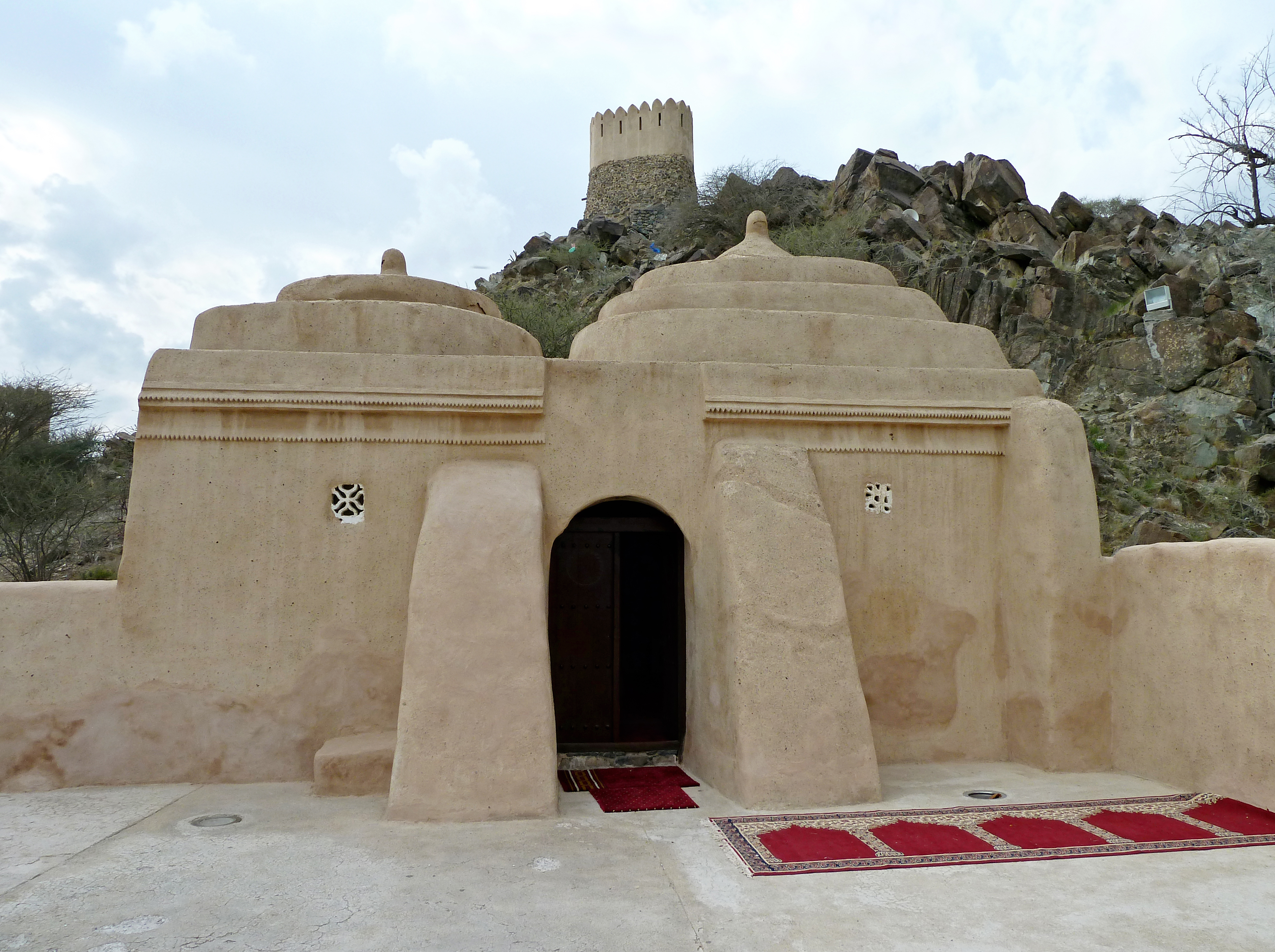
The oldest known mosque in the UAE, a small mud-brick structure dating to the 15th century.
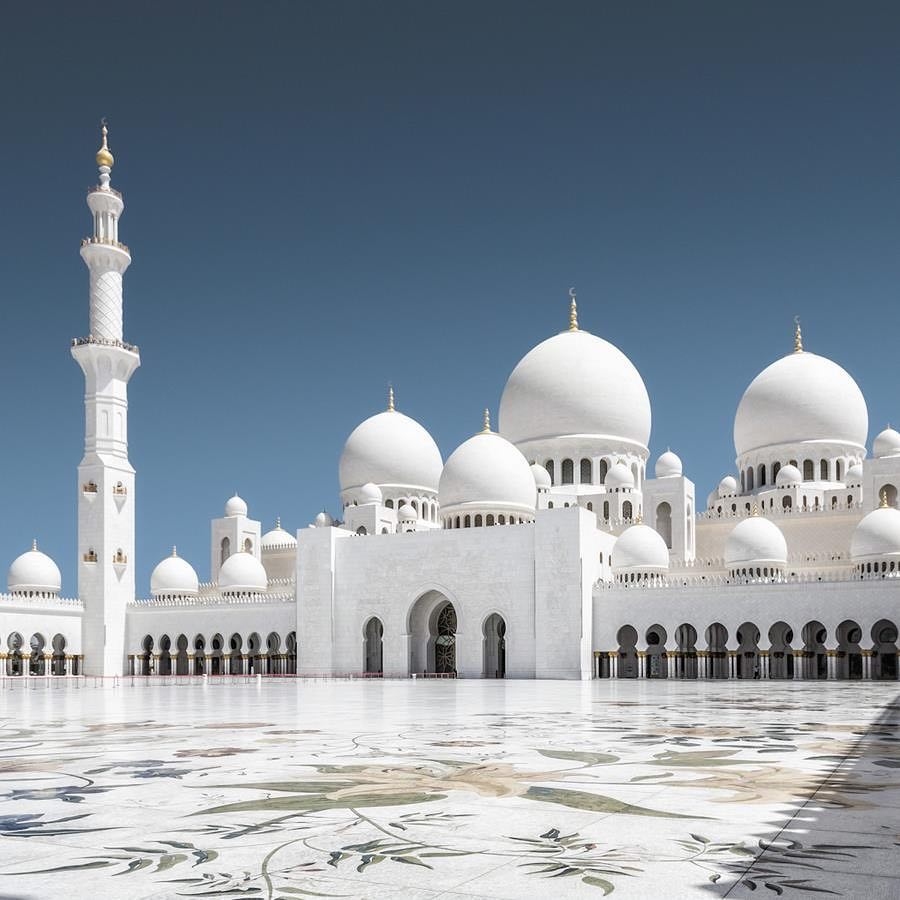
🕌Sheikh Zayed Grand Mosque
A dazzling white marble mosque in Abu Dhabi, one of the world's largest and most opulent.