⛩️ Itsukushima Shrine
Japan
About This Sacred Site
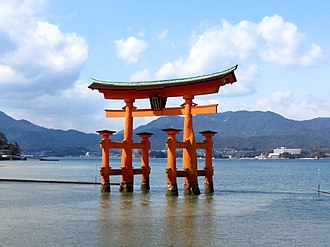
Itsukushima Shrine on Miyajima Island is one of Japan's most iconic Shinto shrines, renowned for its massive vermillion torii gate that appears to float on the water at high tide. The shrine complex itself is built on stilts over the inlet, creating the illusion that it too floats on the sea. Founded in 593 CE and rebuilt in its present form by Taira no Kiyomori in 1168, the shrine is dedicated to the three daughters of the Shinto deity Susanoo. The entire island of Miyajima has been considered sacred for centuries, and historically commoners were not allowed to set foot on it.
History & Origins
Itsukushima Shrine on Miyajima Island dates back to 593 CE, originally constructed under the patronage of Empress Suiko. This Shinto shrine is famed for its "floating" vermillion torii gate, which appears to rise from the sea during high tide, symbolizing the boundary between the sacred and the profane. The shrine complex was expanded significantly in the 12th century by Taira no Kiyomori, who endowed it with grand buildings and bridges. It was designated a UNESCO World Heritage Site for its harmonious integration with the natural environment and its architectural beauty. The shrine remains a vital site of worship and cultural heritage, hosting annual rituals such as the Peach Blossom Festival.
Spiritual Significance
Established in 593 CE, this Shinto site venerates the three Munakata goddesses of the sea and storms, who are enshrined within its buildings over water on stilts. The shrine's iconic 16.6-meter tall torii gate, which appears to float during high tide, symbolizes the boundary between the human and divine realms, inviting pilgrims to purify themselves before crossing. The annual Kangen-sai Festival, dating back to the Heian period, features traditional court music played on boats around the torii gate, reflecting prayers for safe voyages and bountiful harvests. Shinto priests perform norito prayers here, invoking kami for protection and prosperity. The shrine's design aligns with ancient Japanese concepts of nature worship, emphasizing harmony with the sea and mountains, and it is referenced in the Kojiki and Nihon Shoki chronicles as a center of spiritual power. The site's UNESCO World Heritage designation since 1996 highlights its cultural and religious importance.
Key Facts
- •The iconic torii gate stands 16.6 meters tall and appears to float at high tide
- •The shrine buildings are constructed over water on stilts
- •UNESCO World Heritage Site since 1996
- •The island was considered so sacred that no births or deaths were permitted on it
- •The current torii gate dates from 1875 and is the 9th iteration
Location
Coordinates: 34.2961, 132.3198
Frequently Asked Questions
What religion is Itsukushima Shrine associated with?▾
Itsukushima Shrine is a Shinto holy site located in Japan. It was established 593 CE and is ranked #139 in our global directory of sacred sites.
When was Itsukushima Shrine established?▾
Itsukushima Shrine dates back to 593 CE. The iconic torii gate stands 16.6 meters tall and appears to float at high tide
How many people visit Itsukushima Shrine each year?▾
Itsukushima Shrine receives approximately 3+ million visitors per year. The shrine buildings are constructed over water on stilts
What is Itsukushima Shrine known for?▾
Famous for its floating torii gate rising from the sea on Miyajima Island. Visitors come seeking protection, prosperity, peace, blessings. UNESCO World Heritage Site since 1996
Related Holy Sites
Sacred places connected by country, religion, and purpose
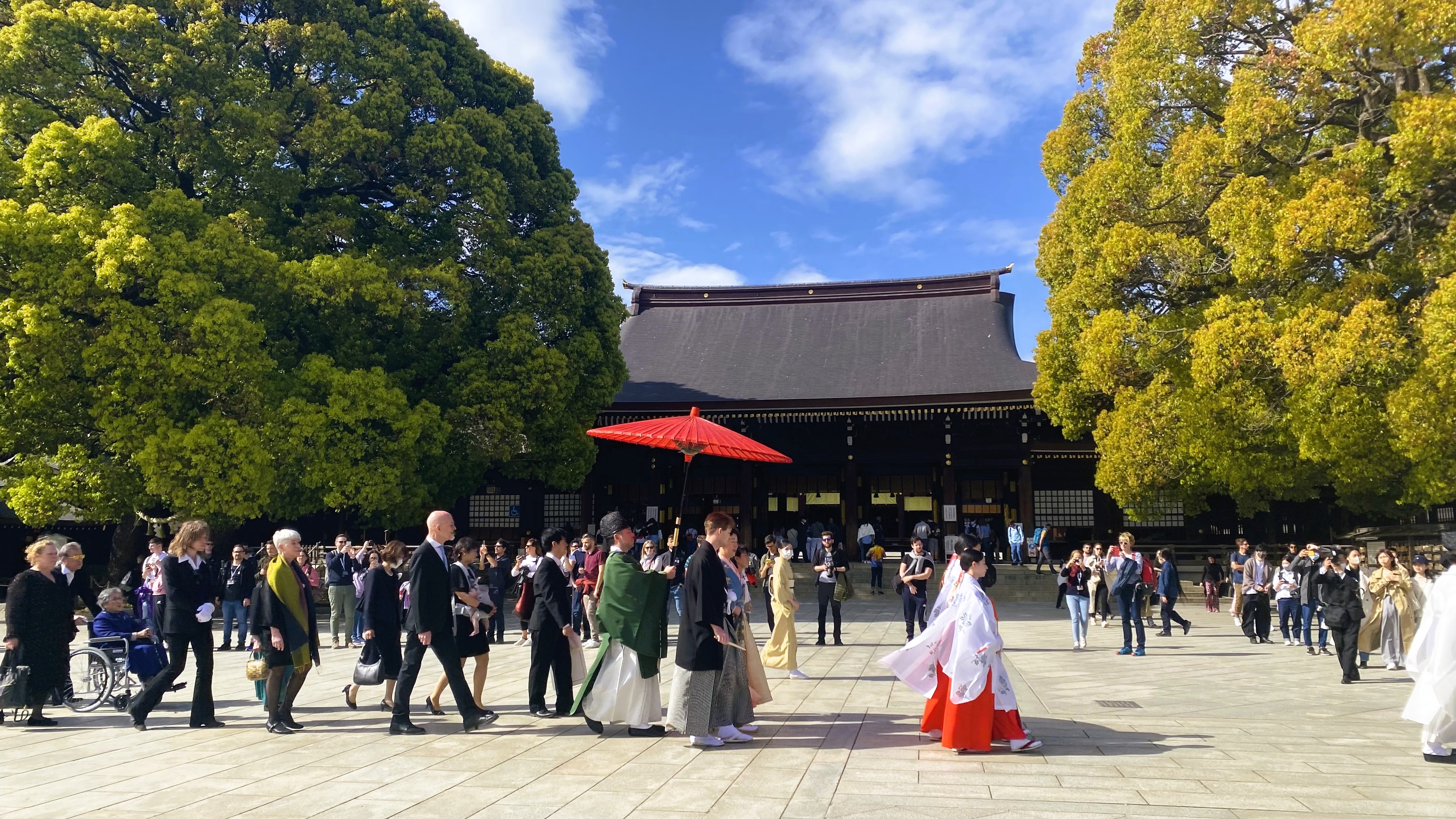
⛩️Meiji Shrine (Meiji Jingu)
Tokyo's most important Shinto shrine, set in a vast forest.
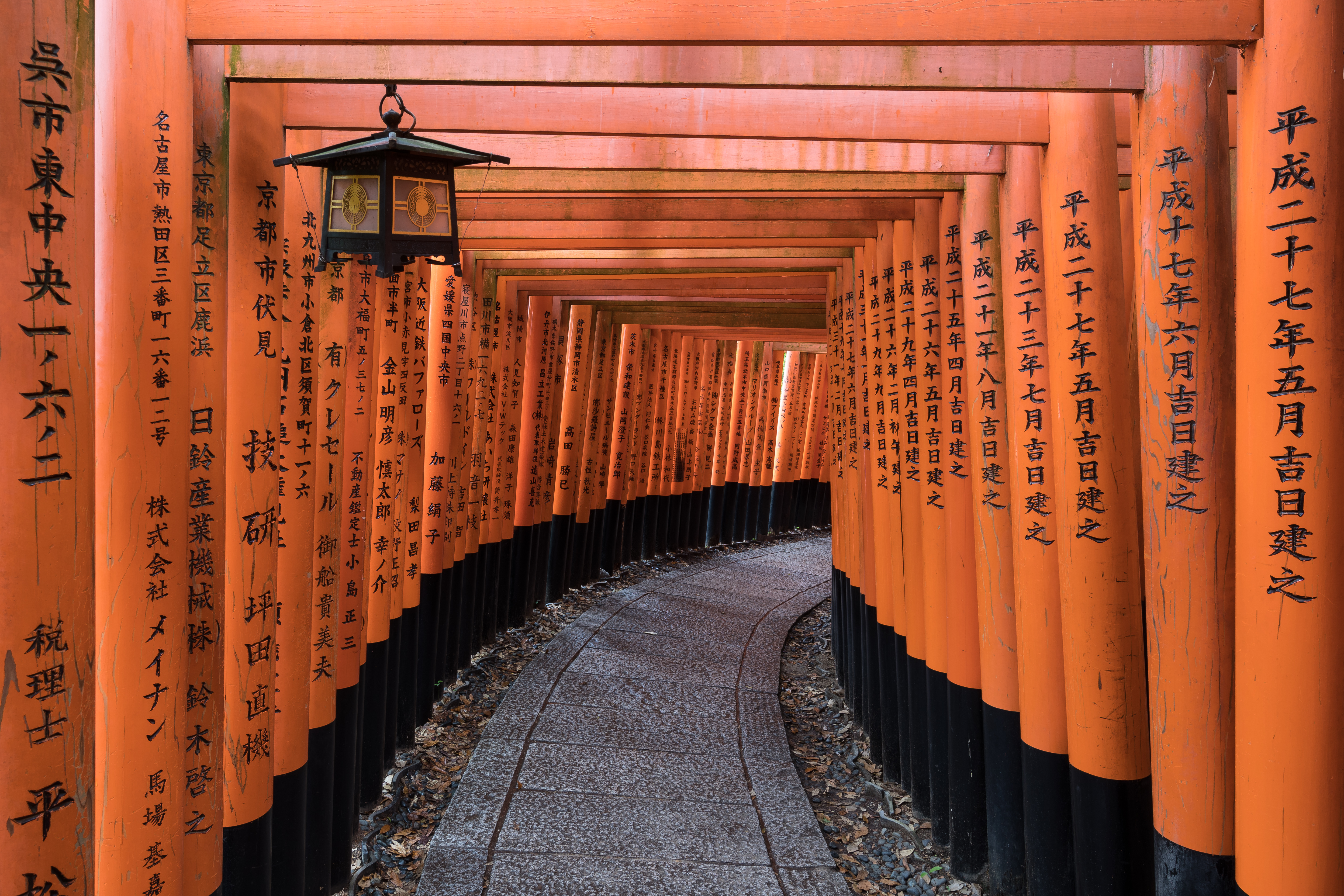
⛩️Fushimi Inari Taisha
Famous for its thousands of vermillion torii gates winding up a sacred mountain.
⛪Vatican City (St. Peter's Basilica)
The spiritual center of Roman Catholicism and home of the Pope.