
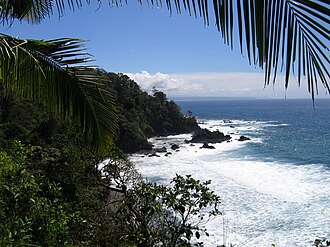
🏝️ Isla del Caño
Costa Rica
About This Sacred Site
Isla del Caño is a small island in the Pacific Ocean off the Osa Peninsula of Costa Rica that served as a sacred burial ground and ceremonial site for pre-Columbian indigenous cultures. Archaeological excavations have uncovered polished stone spheres (esferas de piedra), gold ornaments, and extensive burial grounds suggesting the island was used as a necropolis by the Diquís culture (c. 700–1500 CE). The mysterious stone spheres, some over two meters in diameter, are UNESCO-listed and their exact purpose remains debated.
History & Origins
Isla del Caño, off Costa Rica’s Osa Peninsula, was a sacred site used from around 700 CE by indigenous peoples for burials and ceremonial purposes. Archaeological discoveries reveal tombs containing jade, ceramics, and gold artifacts, indicating its importance in pre-Columbian ritual life. The island’s isolation allowed preservation of artifacts linked to the Diquís culture and others. Over time, Isla del Caño became a marine protected area, blending cultural heritage with environmental conservation. Its archaeological significance provides a window into indigenous spiritual practices and social organization on the Pacific coast.
Spiritual Significance
Isla del Caño, used as a sacred burial and ceremonial site by the Diquís culture from approximately 700 to 1500 CE, holds immense indigenous spiritual significance as evidenced by its polished stone spheres, known as esferas de piedra, recognized by UNESCO for their cultural value. Archaeological findings show that ritual activities included funerary practices involving the interment of elite ancestors within stone-lined tombs, suggesting a belief in an afterlife and ancestral veneration. Ceremonies likely involved offerings of pottery and food, as inferred from artifacts found in situ, aligning with indigenous cosmologies that emphasize the continuity between the living and the dead. Contemporary indigenous groups honor the site with annual gatherings to commemorate their heritage, incorporating traditional chants and dances that reenact mythic narratives tied to the island's sacred status.
Key Facts
- •Used as a sacred burial and ceremonial site by the Diquís culture (c. 700–1500 CE)
- •Polished stone spheres (esferas de piedra) found here are part of a UNESCO World Heritage listing
- •The stone spheres range from a few centimeters to over two meters in diameter
- •The island is now a protected biological reserve with exceptional coral reefs
- •Gold ornaments and elaborate burial goods suggest the island held high ritual significance
Location
Coordinates: 8.7091, -83.8818
Frequently Asked Questions
What religion is Isla del Caño associated with?▾
Isla del Caño is a Indigenous holy site located in Costa Rica. It was established c. 700 CE and is ranked #516 in our global directory of sacred sites.
When was Isla del Caño established?▾
Isla del Caño dates back to c. 700 CE. Used as a sacred burial and ceremonial site by the Diquís culture (c. 700–1500 CE)
How many people visit Isla del Caño each year?▾
Isla del Caño receives approximately 15,000 (access limited) visitors per year. Polished stone spheres (esferas de piedra) found here are part of a UNESCO World Heritage listing
What is Isla del Caño known for?▾
A remote Pacific island that served as a sacred pre-Columbian cemetery and ceremonial site. Visitors come seeking ancestral connection, purification, spiritual enlightenment, peace. The stone spheres range from a few centimeters to over two meters in diameter
Related Holy Sites
Sacred places connected by country, religion, and purpose
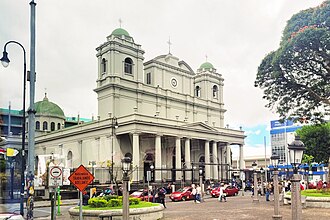
⛪Metropolitan Cathedral of San José
The principal Catholic cathedral of Costa Rica's capital, rebuilt after a 1882 earthquake.
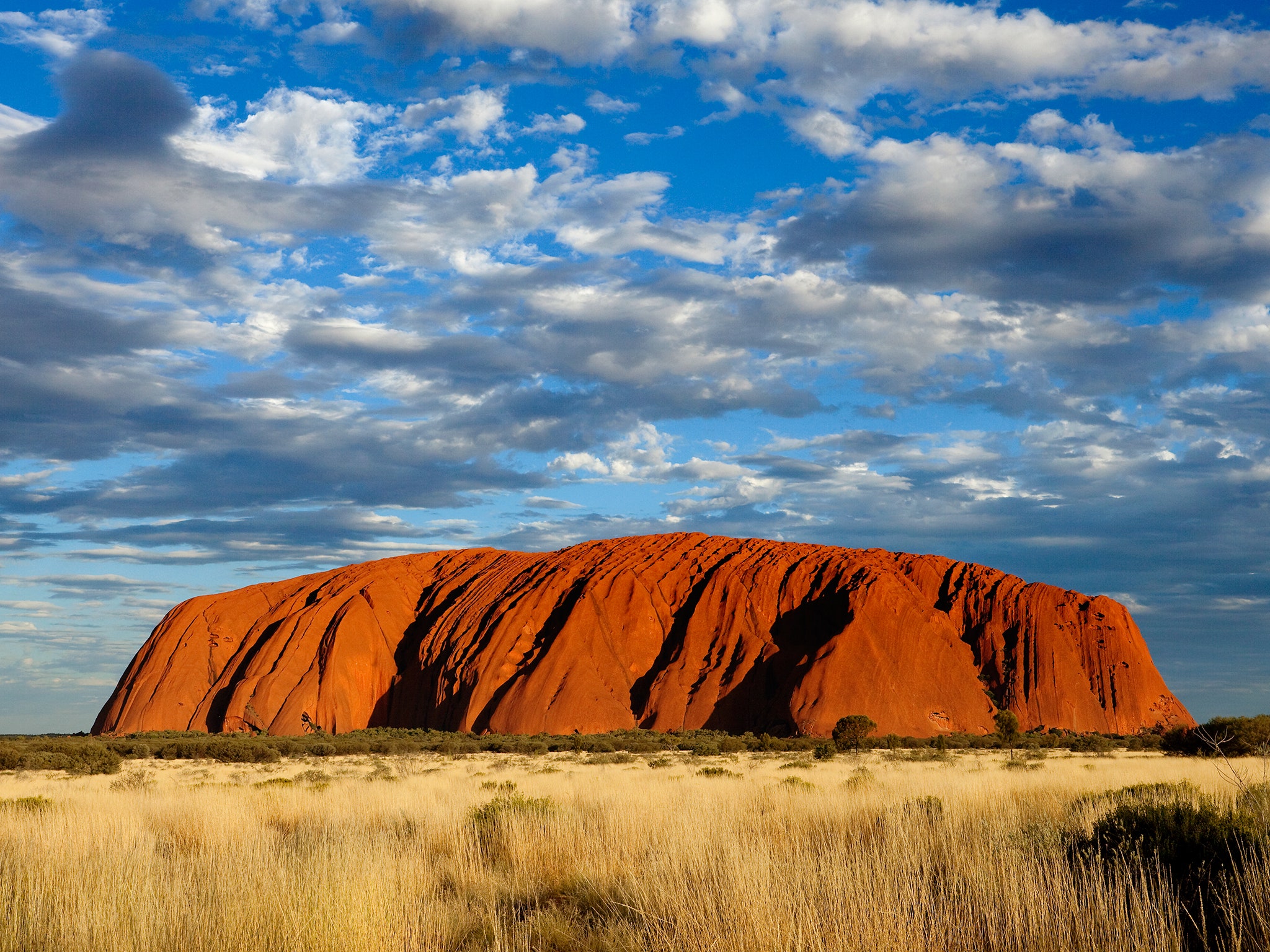
🪨Uluru (Ayers Rock)
A sacred monolith central to Aboriginal Australian creation stories.
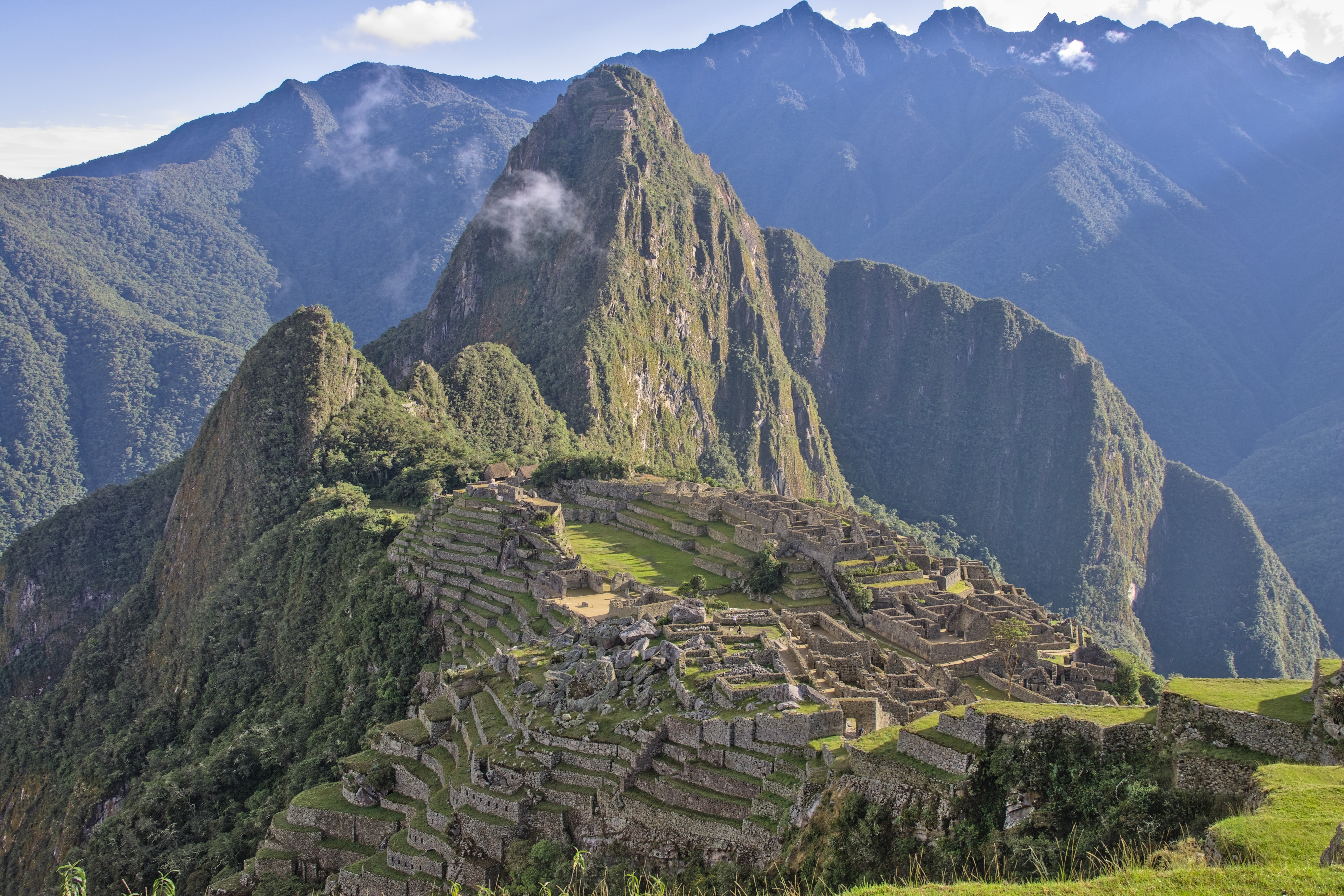
🏔️Machu Picchu
A sacred Inca citadel set high in the Andes, aligned with astronomical events.
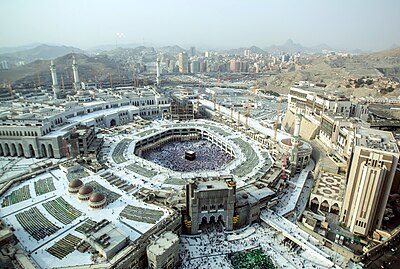
🕋Masjid al-Haram (Great Mosque of Mecca)
The holiest site in Islam, home of the Kaaba, and the destination for Hajj pilgrimage.
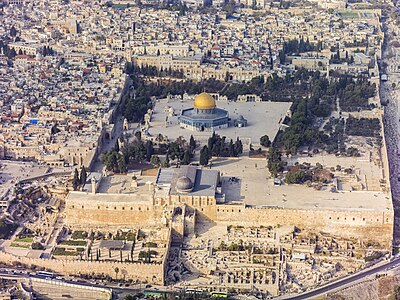
🕌Temple Mount / Al-Aqsa (Jerusalem)
Sacred to Judaism, Christianity, and Islam — the most contested holy site on Earth.

