🏝️ Iona Abbey
United Kingdom
About This Sacred Site
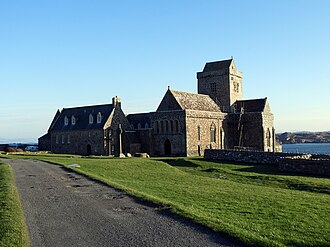
Iona is a tiny island off the west coast of Scotland that holds an outsized place in Christian history. In 563 CE, the Irish monk Columba founded a monastery here that became one of the most important centers of early Christianity in Western Europe. From Iona, missionaries spread the faith throughout Scotland, northern England, and beyond. The Book of Kells, one of the greatest treasures of medieval art, is believed to have been created here. The restored Benedictine abbey remains an active ecumenical community and draws pilgrims from around the world.
History & Origins
Founded in 563 CE by St. Columba and his twelve companions from Ireland, Iona Abbey became a seminal center for early Celtic Christianity and missionary activity throughout Scotland and Northern England. The original monastery suffered Viking raids in 795 CE, prompting reconstruction efforts that continued through the medieval period. The abbey's stone church, rebuilt in the 13th century, exhibits Romanesque architectural features unique to the Hebrides, including intricately carved crosses and sculpted capitals. After centuries of decline, the abbey was restored in the early 20th century by the Iona Community, a modern Christian ecumenical group established in 1938 emphasizing peace and social justice. The site remains a pilgrimage destination associated with the burial site of early Scottish kings and saints, linking it to the lineage of Scottish Christian heritage. The abbey is now protected as a scheduled monument, recognized for its archeological and spiritual significance.
Spiritual Significance
Iona Abbey is renowned for its association with St. Columba, whose missionary work is chronicled in Adomnán's 7th-century “Life of Columba,” influencing Celtic Christian theology focused on monastic discipline and nature spirituality. The abbey hosts daily offices following the Celtic Rite, including the recitation of the Psalter and Gregorian chant, reflecting ancient monastic prayer rhythms. Pilgrims engage in the practice of pilgrimage walking along the island's sacred sites, including the Reilig Odhráin burial ground, believed to house early Scottish kings' remains. The Iona Community promotes peace and reconciliation through worship services open to all denominations, featuring ritual elements drawn from Celtic Christian symbolism such as the use of the Iona Cross. Annual celebrations of St. Columba's feast day on June 9 involve liturgies that emphasize evangelism and monastic hospitality, maintaining a living tradition of Celtic Christian spirituality. The abbey's library preserves manuscripts linked to the original production of the Book of Kells, underscoring its historical role in scriptural illumination.
Key Facts
- •St. Columba founded the monastery in 563 CE, arriving with 12 companions from Ireland
- •The Book of Kells is believed to have been begun here before being moved to Ireland
- •48 Scottish kings are said to be buried in the Rèilig Odhráin cemetery, including Macbeth
- •The Iona Community, founded in 1938, is an ecumenical Christian community
- •Viking raids devastated the monastery multiple times between 795 and 986 CE
Location
Coordinates: 56.3368, -6.3867
Frequently Asked Questions
What religion is Iona Abbey associated with?▾
Iona Abbey is a Christianity holy site located in United Kingdom. It was established 563 CE and is ranked #627 in our global directory of sacred sites.
When was Iona Abbey established?▾
Iona Abbey dates back to 563 CE. St. Columba founded the monastery in 563 CE, arriving with 12 companions from Ireland
How many people visit Iona Abbey each year?▾
Iona Abbey receives approximately 130,000 visitors per year. The Book of Kells is believed to have been begun here before being moved to Ireland
What is Iona Abbey known for?▾
A sacred island off Scotland's west coast where St. Columba established a monastery that helped Christianize Britain. Visitors come seeking peace, spiritual enlightenment, pilgrimage, healing. 48 Scottish kings are said to be buried in the Rèilig Odhráin cemetery, including Macbeth
Related Holy Sites
Sacred places connected by country, religion, and purpose
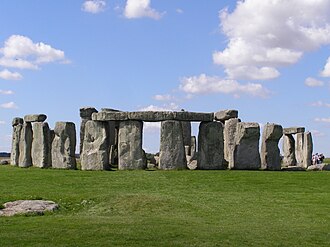
🪨Stonehenge
A prehistoric monument aligned with celestial events, shrouded in mystery.
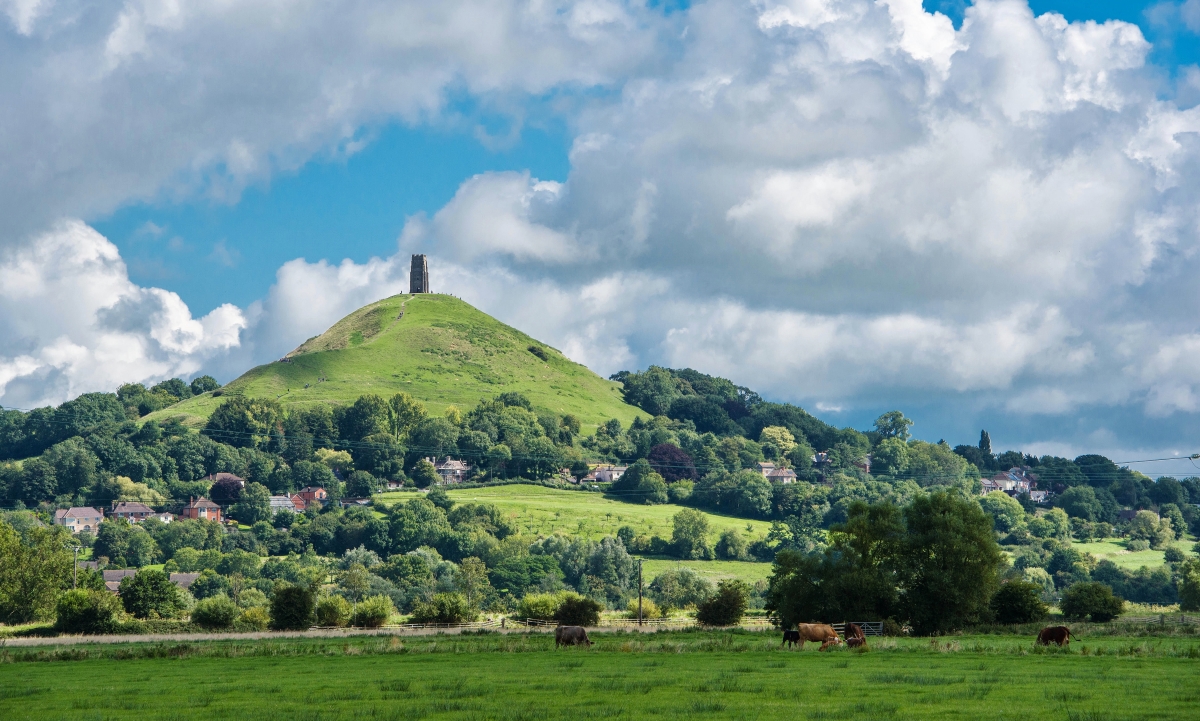
🗼Glastonbury Tor
A mystical hill linked to Arthurian legend and ancient Celtic spirituality.
⛪Vatican City (St. Peter's Basilica)
The spiritual center of Roman Catholicism and home of the Pope.
✝️Church of the Holy Sepulchre
The site where Jesus was crucified, buried, and resurrected.