🕌 Imam Ali Mosque (Atiq Mosque Isfahan)
Iran
About This Sacred Site
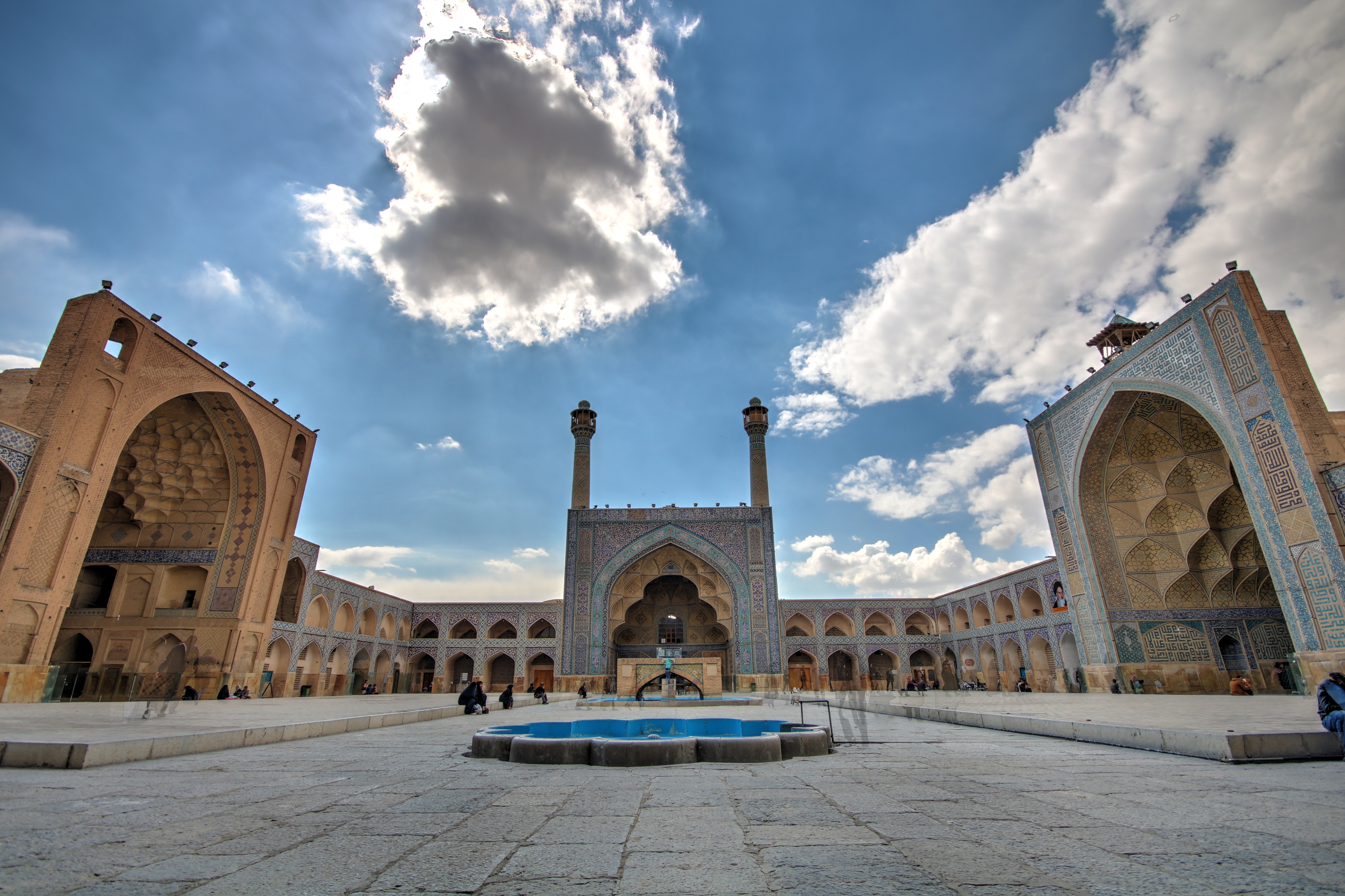
The Imam Ali Mosque in Isfahan, also called the Atiq Jame Mosque, is one of Iran's oldest mosques and a significant example of early Islamic architecture. It features a vast prayer hall, a large courtyard, and intricate brickwork with Kufic inscriptions. The mosque has served as a religious and community center for over a millennium, reflecting various architectural styles from the Abbasid era onward. Its minarets and domes have influenced mosque design throughout Iran.
History & Origins
Founded in 771 CE during the Abbasid Caliphate, the Imam Ali Mosque initially served as the main congregational mosque of Isfahan. It has undergone numerous expansions and restorations, notably during the Seljuk and Safavid periods, which added new architectural elements such as iwans and minarets. The mosque played a central role in religious life and was a hub for Islamic scholarship. Despite damage from earthquakes and political upheavals, ongoing restorations have preserved its historical significance, making it a testament to Iran’s religious and architectural heritage.
Spiritual Significance
Founded in 771 CE, this mosque in Isfahan, Iran, is among the country's oldest Islamic structures and reflects architectural influences from multiple dynasties, including Abbasid and Safavid, highlighting the continuity of Islamic worship across centuries. The mosque was central during the Safavid Empire when Isfahan was the capital, serving as a hub for Friday prayers (Jumu'ah) and religious education. Pilgrims and worshippers engage in traditional Shiite practices such as reciting the Ziyarat Amin Allah, invoking Imam Ali’s spiritual authority as the first Imam in Shia Islam. The mosque’s inscriptions include Quranic verses from Surah Al-Baqarah emphasizing justice and piety, key themes in Shiite doctrine. The Atiq Mosque’s mihrab and minarets exemplify the fusion of Persian and Islamic art, reinforcing the site’s role as a place for both communal worship and individual spiritual reflection.
Key Facts
- •One of the oldest mosques in Iran, dating to 771 CE
- •Features architectural elements from multiple Islamic dynasties
- •Isfahan was the capital of the Safavid Empire
- •The mosque showcases over 1,200 years of architectural evolution
- •Located near the UNESCO-listed Naqsh-e Jahan Square
Location
Coordinates: 32.6611, 51.6775
Frequently Asked Questions
What religion is Imam Ali Mosque (Atiq Mosque Isfahan) associated with?▾
Imam Ali Mosque (Atiq Mosque Isfahan) is a Islam holy site located in Iran. It was established 771 CE and is ranked #124 in our global directory of sacred sites.
When was Imam Ali Mosque (Atiq Mosque Isfahan) established?▾
Imam Ali Mosque (Atiq Mosque Isfahan) dates back to 771 CE. One of the oldest mosques in Iran, dating to 771 CE
How many people visit Imam Ali Mosque (Atiq Mosque Isfahan) each year?▾
Imam Ali Mosque (Atiq Mosque Isfahan) receives approximately 1 million visitors per year. Features architectural elements from multiple Islamic dynasties
What is Imam Ali Mosque (Atiq Mosque Isfahan) known for?▾
One of Iran's oldest mosques, a masterpiece of Islamic architecture on Isfahan's grand square. Visitors come seeking pilgrimage, peace, spiritual enlightenment, guidance. Isfahan was the capital of the Safavid Empire
Related Holy Sites
Sacred places connected by country, religion, and purpose