
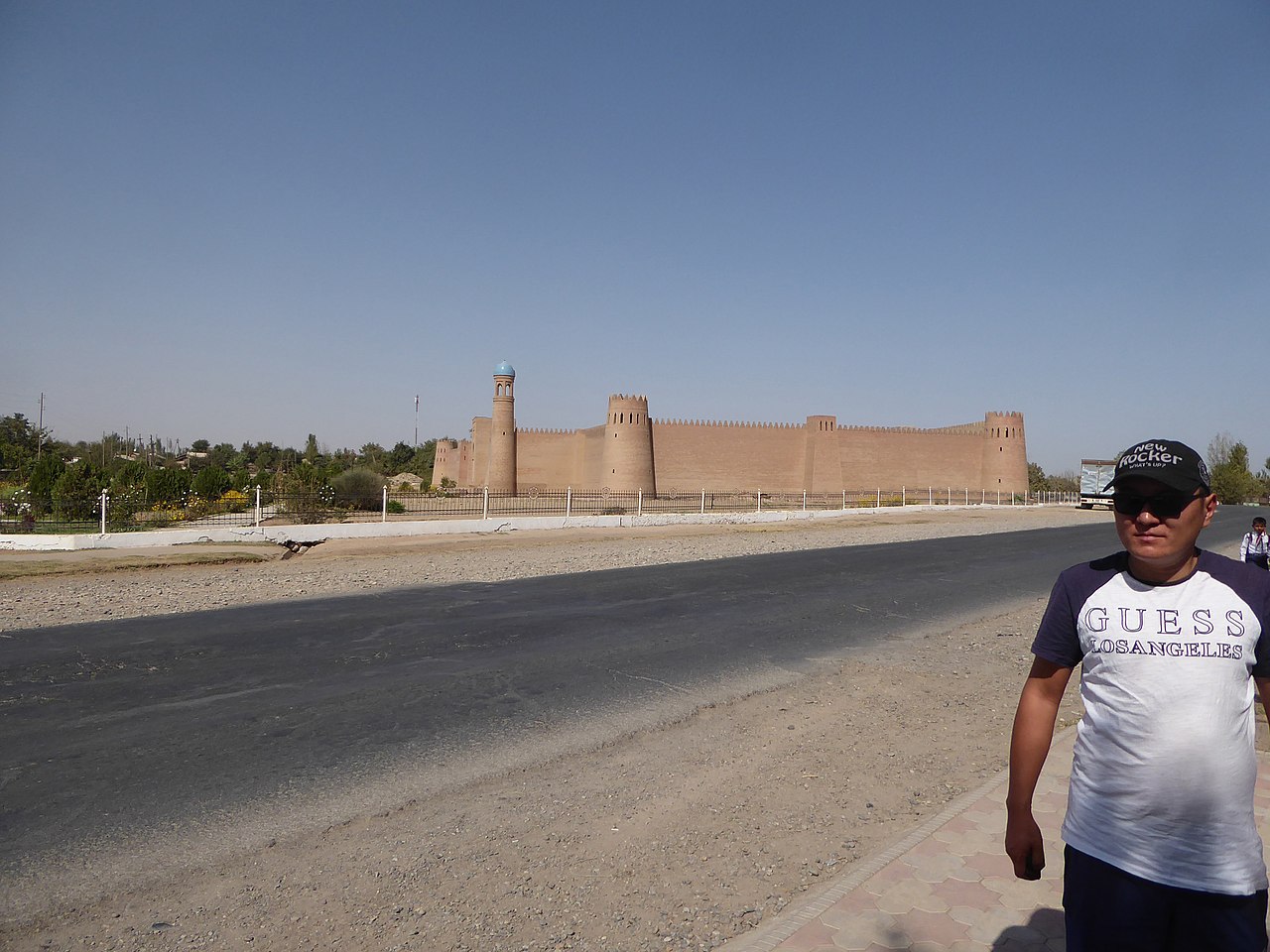
🏰 Hulbuk Fortress
Tajikistan
About This Sacred Site
Hulbuk Fortress is a partially reconstructed 9th-11th century Islamic palace and fortress complex in the Vose district of southern Tajikistan. The site was the capital of the Huttal principality and features a citadel, palace, and surrounding city ruins. Archaeological excavations have revealed elaborate stucco decorations, carved wooden panels, and Islamic ceramics that demonstrate a high level of artistic achievement. The palace contained a mosque and served as both a political and religious center during the Samanid and Ghaznavid periods.
History & Origins
Hulbuk Fortress, established around the 9th century CE, served as the capital of the medieval Huttal principality in present-day Tajikistan. Archaeological evidence dates its primary occupation to the 9th through 11th centuries CE. The fortress complex includes remnants of a palace known for its intricate stucco and wood carvings, discovered during excavations in the 20th century. The site was strategically situated to control regional trade routes connecting Central Asia with Persia. Hulbuk underwent several renovations during the 10th century under local rulers who expanded the palace and fortifications. The fortress fell into decline by the 12th century, likely due to Mongol invasions. Modern archaeological work began in the 1950s, revealing the fortress's significance as a political and cultural center. It remains a key example of early medieval Central Asian architecture and urban planning.
Spiritual Significance
The fortress was not only a political center but held spiritual importance as the seat of Huttal rulers who practiced Sunni Islam, adhering to Hanafi jurisprudence. Local traditions suggest that rulers hosted religious scholars to promulgate Islamic law, with periodic gatherings held within the palace courtyard for communal prayers during Ramadan. The site is associated with Sufi saints who are believed to have visited in the 10th century, contributing to the spiritual life of the principality. Rituals included public readings of the Quran and celebrations of the Prophet Muhammad’s birthday (Mawlid), as recorded in regional manuscripts. Pilgrims from surrounding areas reportedly visited Hulbuk to attend these events, reinforcing its role as a religious as well as political hub.
Key Facts
- •Capital of the medieval Huttal principality
- •Dates to the 9th-11th centuries CE
- •Archaeological finds include elaborate stucco and wood carvings
- •The palace contained an integrated mosque
- •Partially reconstructed to showcase medieval Islamic architecture
Location
Coordinates: 37.8097, 69.5781
Frequently Asked Questions
What religion is Hulbuk Fortress associated with?▾
Hulbuk Fortress is a Islam holy site located in Tajikistan. It was established c. 9th century CE and is ranked #680 in our global directory of sacred sites.
When was Hulbuk Fortress established?▾
Hulbuk Fortress dates back to c. 9th century CE. Capital of the medieval Huttal principality
How many people visit Hulbuk Fortress each year?▾
Hulbuk Fortress receives approximately 20,000 visitors per year. Dates to the 9th-11th centuries CE
What is Hulbuk Fortress known for?▾
A reconstructed 9th-century Islamic palace and fortress in southern Tajikistan. Visitors come seeking ancestral connection, peace, guidance, spiritual enlightenment. Archaeological finds include elaborate stucco and wood carvings
Related Holy Sites
Sacred places connected by country, religion, and purpose
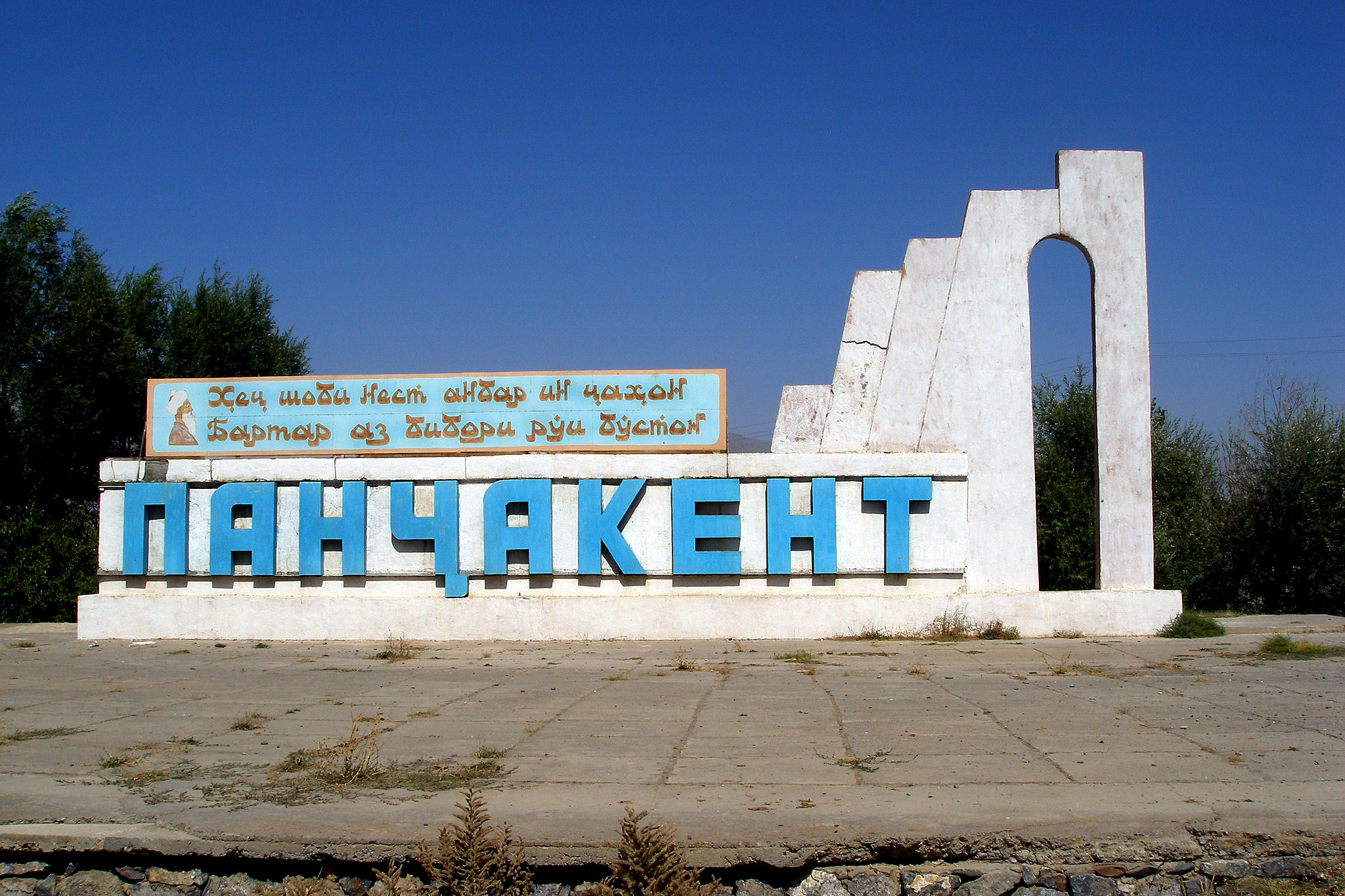
🏛️Penjikent Ancient City
A Sogdian city with Zoroastrian fire temples and stunning murals, the 'Pompeii of Central Asia.'
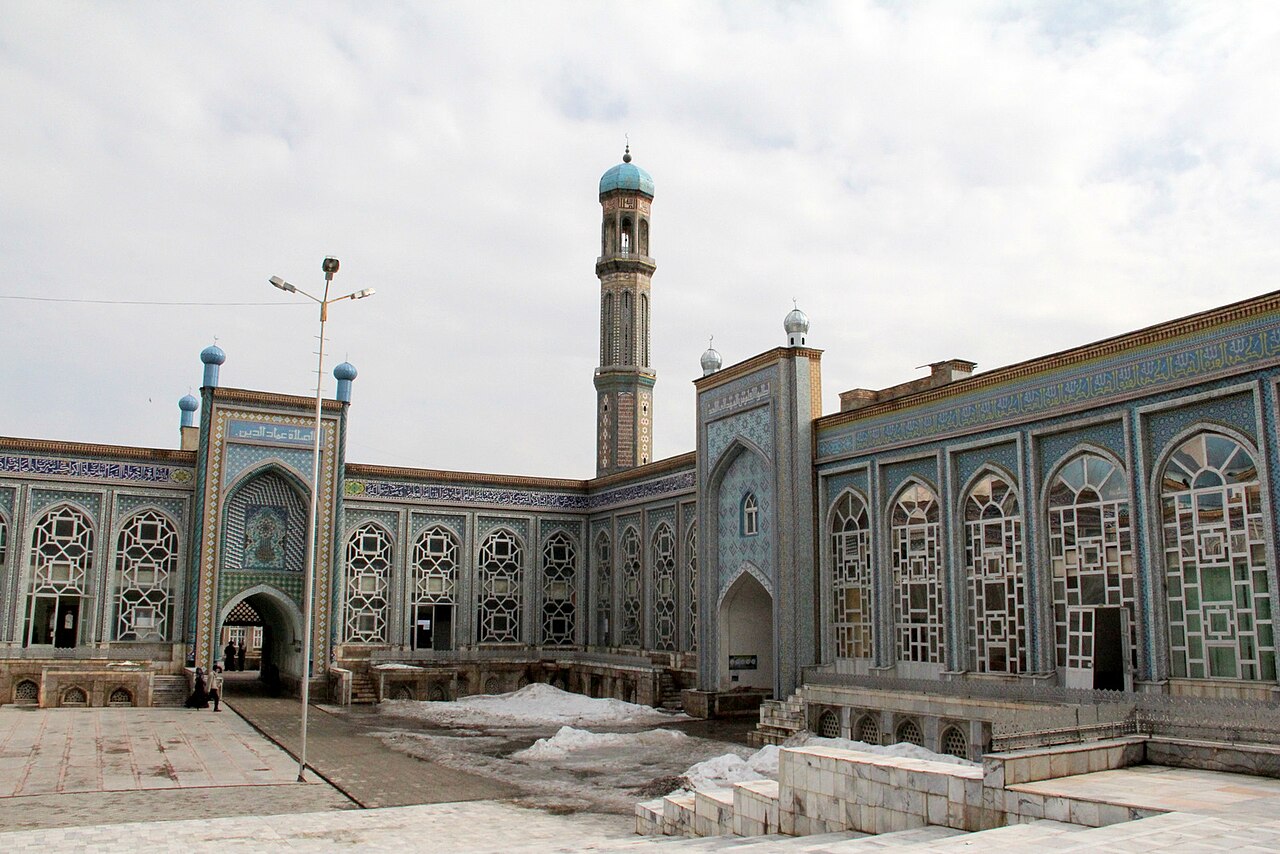
🕌Haji Yakoub Mosque
The central mosque of Dushanbe and the largest in Tajikistan.
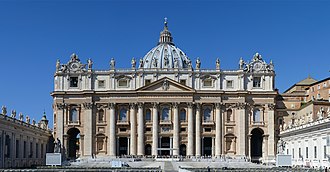
⛪Vatican City (St. Peter's Basilica)
The spiritual center of Roman Catholicism and home of the Pope.
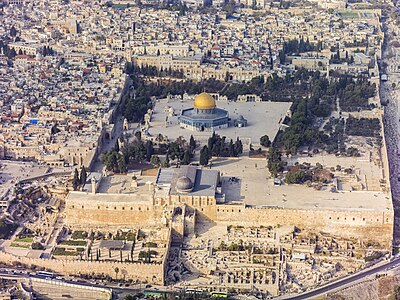
🕌Temple Mount / Al-Aqsa (Jerusalem)
Sacred to Judaism, Christianity, and Islam — the most contested holy site on Earth.

