
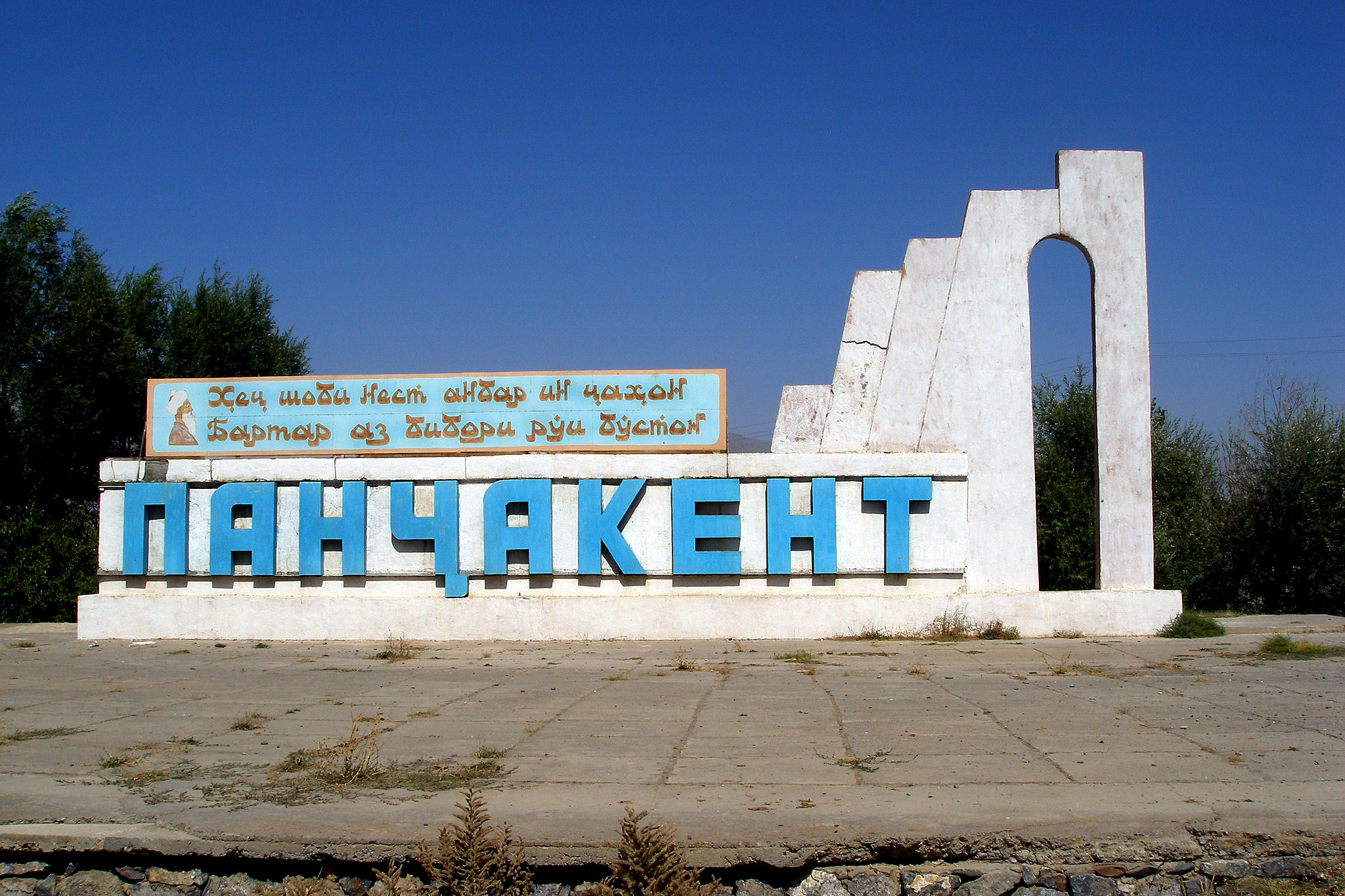
🏛️ Penjikent Ancient City
Tajikistan
About This Sacred Site
Ancient Penjikent, often called the 'Pompeii of Central Asia,' was a prosperous Sogdian city that flourished from the 5th to 8th centuries CE before the Arab conquest. The archaeological site features Zoroastrian fire temples, Nestorian churches, and merchant houses with remarkable murals depicting religious scenes, epic tales, and daily life. The Sogdians were master Silk Road traders who practiced Zoroastrianism, Buddhism, and Nestorian Christianity. The city was abandoned after the Arab conquest in the early 8th century, preserving its pre-Islamic heritage.
History & Origins
Penjikent Ancient City, located in western Tajikistan, was founded circa the 5th century CE and flourished until the Arab conquests in the 8th century. Often called the "Pompeii of Central Asia," it was a vibrant Sogdian urban center known for its complex fortifications and multi-faith population. Excavations have uncovered well-preserved residential quarters, Zoroastrian fire temples, and Nestorian Christian churches, dating from the 5th through 8th centuries CE. The city was ruled by local Sogdian elites who commissioned elaborate murals depicting mythological and everyday scenes, providing insight into the period's cultural syncretism. Penjikent was destroyed around 722 CE during the Muslim expansion, leading to its abandonment. Archaeological interest revived in the 20th century, revealing its unique multi-faith heritage.
Spiritual Significance
Penjikent was a significant spiritual center where Zoroastrianism and Nestorian Christianity coexisted. The Zoroastrian fire temples contained altars for eternal flames, central to rituals honoring Ahura Mazda, while the Nestorian churches were sites for liturgical services following the Syriac tradition. Annual festivals such as Nowruz, marking the Persian New Year, were celebrated with fire rituals and communal feasts. Pilgrims visited the city to consult Zoroastrian priests and Christian bishops, reflecting its role as a hub of theological dialogue. The murals depict scenes from Zoroastrian texts like the Avesta and also Christian iconography, illustrating the theological diversity. The site remains critical for understanding the interplay of faiths along the Silk Road.
Key Facts
- •Known as the 'Pompeii of Central Asia'
- •Flourished from the 5th to 8th centuries CE
- •Contains Zoroastrian fire temples and Nestorian churches
- •Remarkable murals depict religious and daily life scenes
- •Abandoned after the Arab conquest in the early 8th century
Location
Coordinates: 39.4925, 67.6097
Frequently Asked Questions
What religion is Penjikent Ancient City associated with?▾
Penjikent Ancient City is a Multi-faith holy site located in Tajikistan. It was established c. 5th century CE and is ranked #595 in our global directory of sacred sites.
When was Penjikent Ancient City established?▾
Penjikent Ancient City dates back to c. 5th century CE. Known as the 'Pompeii of Central Asia'
How many people visit Penjikent Ancient City each year?▾
Penjikent Ancient City receives approximately 15,000 visitors per year. Flourished from the 5th to 8th centuries CE
What is Penjikent Ancient City known for?▾
A Sogdian city with Zoroastrian fire temples and stunning murals, the 'Pompeii of Central Asia.' Visitors come seeking ancestral connection, spiritual enlightenment, peace, guidance. Contains Zoroastrian fire temples and Nestorian churches
Related Holy Sites
Sacred places connected by country, religion, and purpose
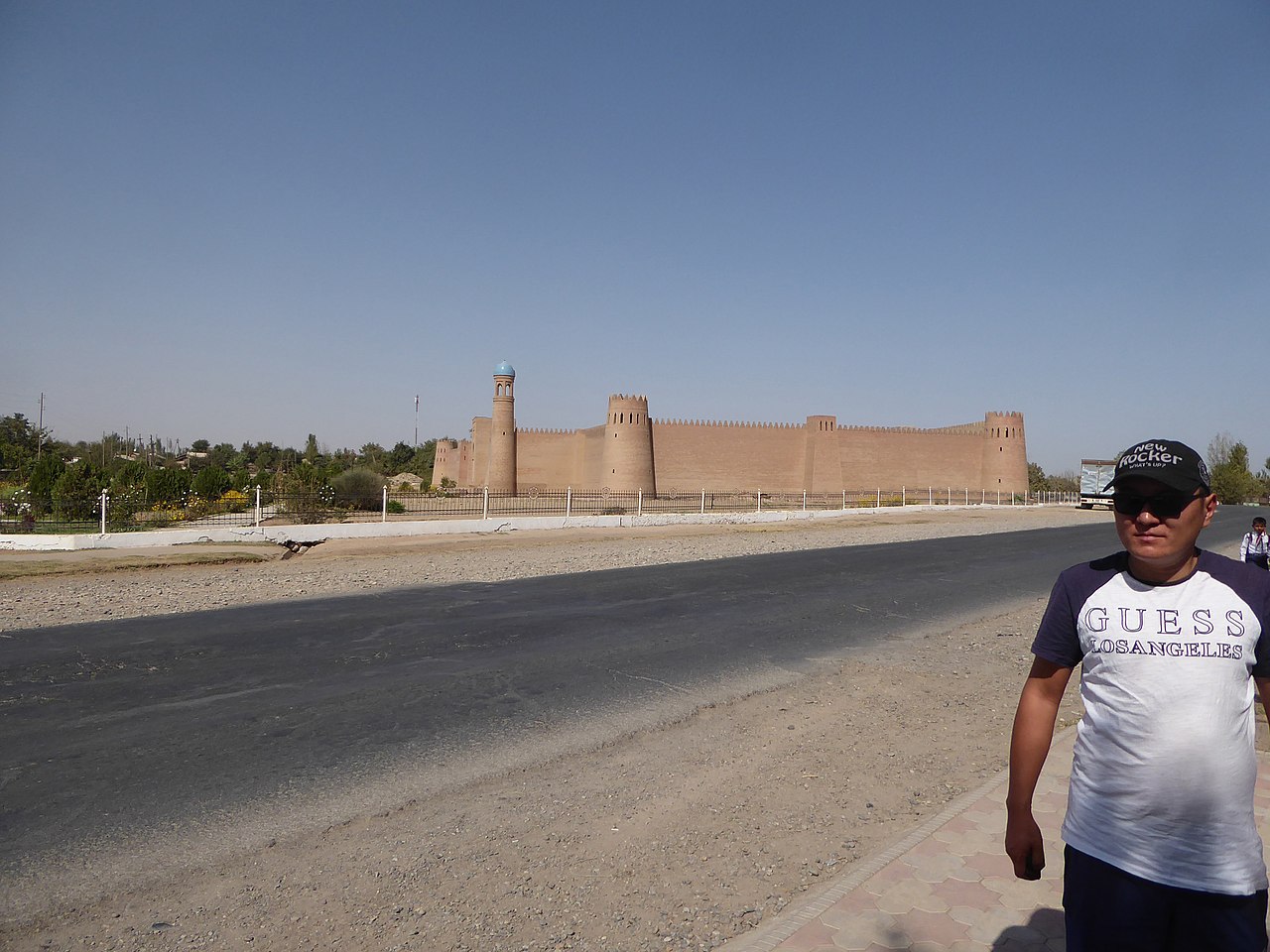
🏰Hulbuk Fortress
A reconstructed 9th-century Islamic palace and fortress in southern Tajikistan.
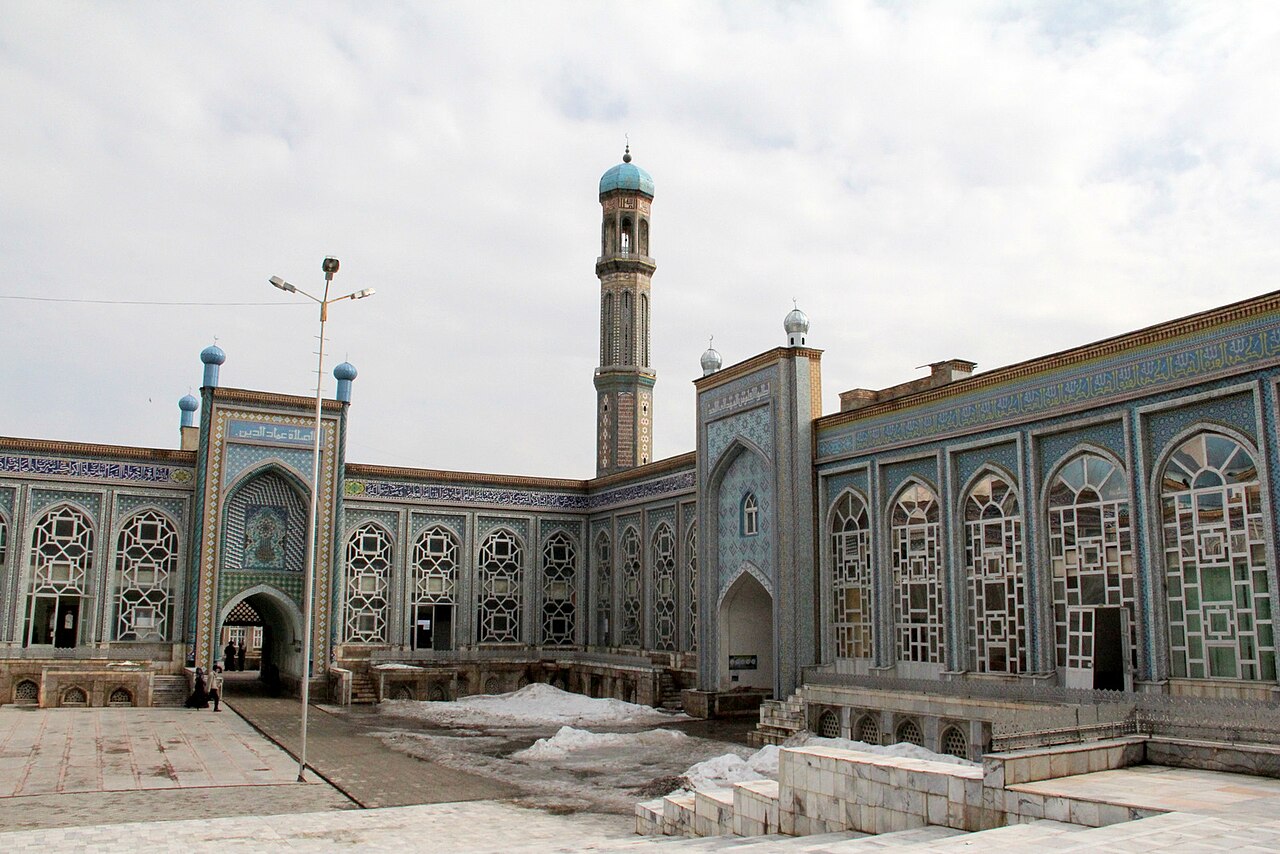
🕌Haji Yakoub Mosque
The central mosque of Dushanbe and the largest in Tajikistan.
🕌Temple Mount / Al-Aqsa (Jerusalem)
Sacred to Judaism, Christianity, and Islam — the most contested holy site on Earth.
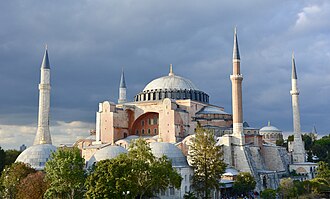
🏛️Hagia Sophia
A masterpiece that served as cathedral, mosque, and museum across centuries.
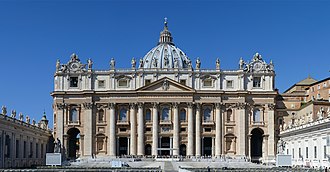
⛪Vatican City (St. Peter's Basilica)
The spiritual center of Roman Catholicism and home of the Pope.
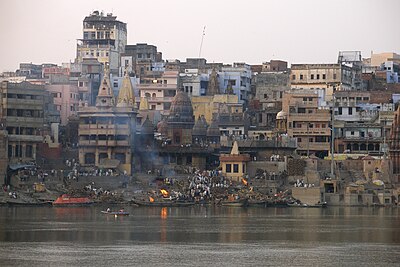
🙏Varanasi (Kashi Vishwanath Temple)
The holiest city in Hinduism, where the Ganges River purifies the soul.

