🏛️ Htilominlo Temple
Myanmar
About This Sacred Site
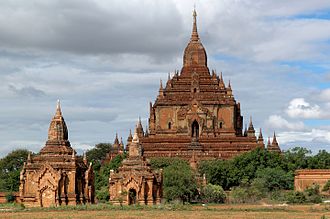
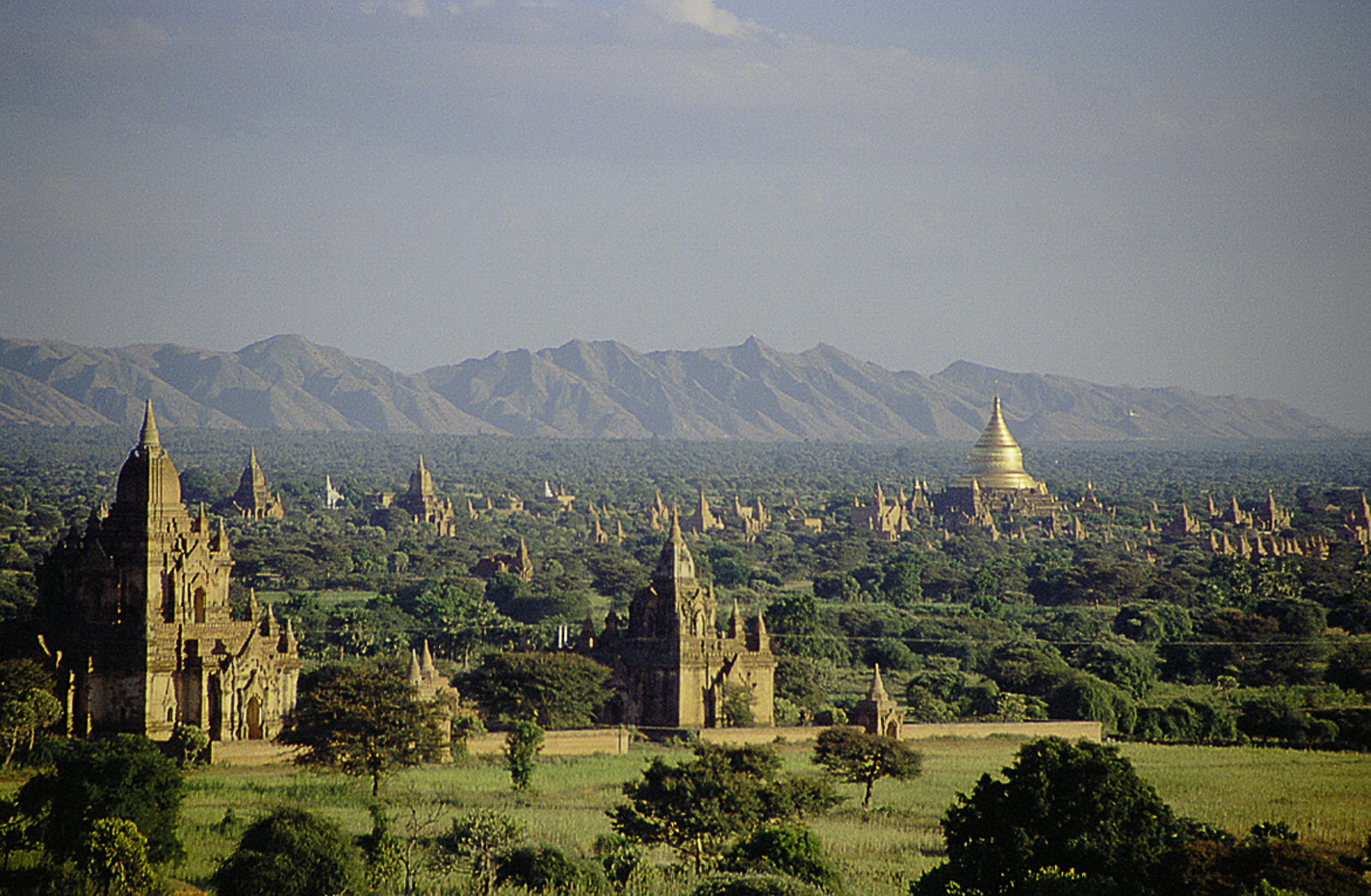
Htilominlo Temple is one of the last great temples built during the golden age of Bagan, constructed in 1218 CE by King Htilominlo (Nandaungmya). The three-story, 46-meter-tall brick temple is notable for its fine plaster carvings, remnants of old murals, and well-preserved glazed sandstone decorations. According to legend, the king chose the site after a white umbrella (a symbol of sovereignty) tilted toward him during the selection of the heir to the throne. The temple's exterior features intricate stucco work that remains remarkably detailed despite centuries of weathering.
History & Origins
Commissioned by King Htilominlo in 1218 CE during the late Bagan period, the temple represents one of the final monumental constructions of the Pagan dynasty's golden age. Rising 46 meters over three stories, its brickwork and stucco carvings showcase innovations in Burmese temple architecture with elaborate floral motifs and geometric patterns. The structure suffered damage during the 1975 earthquake but underwent meticulous restoration to preserve remnants of original murals and plaster reliefs dating from the 13th century. Historical inscriptions found on-site attribute the temple's foundation to King Htilominlo’s desire to enshrine Buddhist relics, reinforcing his legitimacy. The temple's strategic location along the ancient trade route facilitated pilgrim access and royal patronage during the 13th century.
Spiritual Significance
The temple serves as a focal point for Theravada Buddhist worship, particularly during the Thadingyut Festival of Lights, when devotees illuminate the structure to honor the Buddha's descent from Tavatimsa heaven. Pilgrims engage in chanting of the Metta Sutta, promoting loving-kindness as taught in canonical texts, while venerating the Buddha images housed within. The presence of original 13th-century murals depicting scenes from the Mahayana Lotus Sutra reflects a syncretism in Burmese Buddhism, integrating diverse scriptural traditions. Monks from nearby monasteries lead meditation retreats on the terrace of the second story, emphasizing vipassana practice. The temple is also associated with the monk Shin Arahan, credited with establishing Theravada Buddhism in the region.
Key Facts
- •Built in 1218 CE, one of the last great temples of Bagan's golden age
- •Stands 46 meters tall over three stories
- •Contains remnants of original murals and fine plaster carvings
- •Named after King Htilominlo, who was chosen as heir when a white umbrella tilted toward him
- •Features some of the best-preserved stucco decorations in Bagan
Location
Coordinates: 21.1914, 94.8614
Frequently Asked Questions
What religion is Htilominlo Temple associated with?▾
Htilominlo Temple is a Buddhism holy site located in Myanmar. It was established 1218 CE and is ranked #666 in our global directory of sacred sites.
When was Htilominlo Temple established?▾
Htilominlo Temple dates back to 1218 CE. Built in 1218 CE, one of the last great temples of Bagan's golden age
How many people visit Htilominlo Temple each year?▾
Htilominlo Temple receives approximately 400,000+ visitors per year. Stands 46 meters tall over three stories
What is Htilominlo Temple known for?▾
One of the last great temples built in Bagan, with exquisite plaster carvings and murals. Visitors come seeking guidance, blessings, prosperity, peace. Contains remnants of original murals and fine plaster carvings
Related Holy Sites
Sacred places connected by country, religion, and purpose
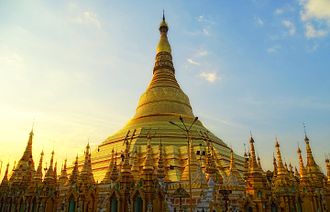
🪷Shwedagon Pagoda
Myanmar's most sacred Buddhist pagoda, gilded with 60 tons of gold.
☸️Bodh Gaya (Mahabodhi Temple)
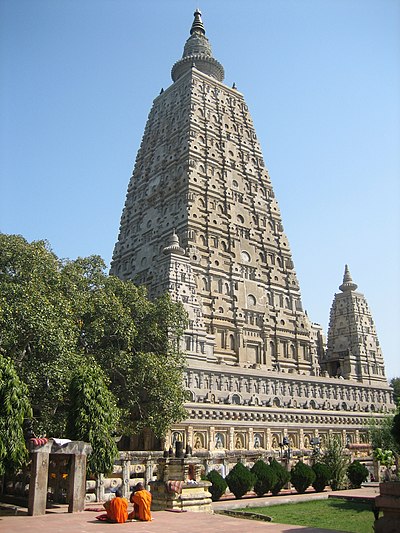
Where Siddhartha Gautama attained enlightenment and became the Buddha.
🛕Angkor Wat
The largest religious monument in the world, originally Hindu then Buddhist.