
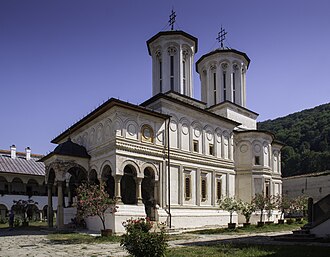
⛪ Horezu Monastery
Romania
About This Sacred Site
Horezu Monastery, founded in 1690 by Wallachian prince Constantin Brâncoveanu, exemplifies the Brâncovenesc style, a distinctive Romanian architectural form combining Byzantine, Ottoman, and Renaissance influences. Located in Vâlcea County, the monastery features ornate stone and wood carvings, frescoes with vivid colors, and a harmonious layout emphasizing both spiritual and aesthetic values. It has been a center of Orthodox worship and cultural preservation. Horezu Monastery is recognized as a UNESCO World Heritage Site for its artistic and historical significance.
Spiritual Significance
Founded in 1690 by Prince Constantin Brâncoveanu, who was later canonized as a saint by the Romanian Orthodox Church for his martyrdom in 1714, the monastery embodies the Brâncovenesc architectural style characterized by ornate stone and wood carving, blending Byzantine and Renaissance influences. It serves as a pilgrimage site on August 16th, the feast day of Saint Constantin Brâncoveanu and his family, where liturgies are held in the church dedicated to the Assumption of Mary. The monastery’s frescoes and iconostasis illustrate key Orthodox doctrines including the Incarnation and the Theotokos, reflecting theological teachings important for monastic and lay worship. The complex also historically functioned as a cultural center promoting religious education and manuscript production. Pilgrims often perform ritual prayers at the founder’s tomb, venerating his example of faith under persecution.
Key Facts
- •Founded in 1690 by Prince Constantin Brâncoveanu, who was later martyred and canonized as a saint
- •Considered the masterpiece of the Brâncovenesc architectural style unique to Wallachia
- •Inscribed as a UNESCO World Heritage Site in 1993
- •The frescoes combine traditional Byzantine iconography with Renaissance naturalism
- •The monastery's Horezu ceramics tradition is inscribed on UNESCO's Intangible Cultural Heritage list
Location
Coordinates: 45.1706, 23.9938
Frequently Asked Questions
What religion is Horezu Monastery associated with?▾
Horezu Monastery is a Christianity holy site located in Romania. It was established 1690 and is ranked #507 in our global directory of sacred sites.
When was Horezu Monastery established?▾
Horezu Monastery dates back to 1690. Founded in 1690 by Prince Constantin Brâncoveanu, who was later martyred and canonized as a saint
How many people visit Horezu Monastery each year?▾
Horezu Monastery receives approximately 150,000 visitors per year. Considered the masterpiece of the Brâncovenesc architectural style unique to Wallachia
What is Horezu Monastery known for?▾
A masterpiece of the Brâncovenesc style, the finest example of Romanian Renaissance architecture. Visitors come seeking spiritual enlightenment, blessings, peace, guidance. Inscribed as a UNESCO World Heritage Site in 1993
Related Holy Sites
Sacred places connected by country, religion, and purpose
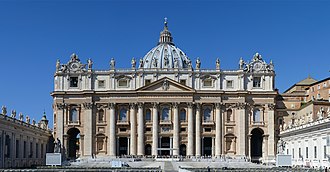
⛪Vatican City (St. Peter's Basilica)
The spiritual center of Roman Catholicism and home of the Pope.
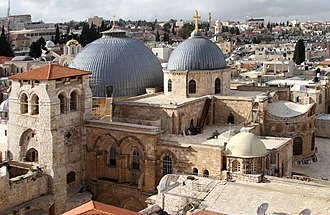
✝️Church of the Holy Sepulchre
The site where Jesus was crucified, buried, and resurrected.
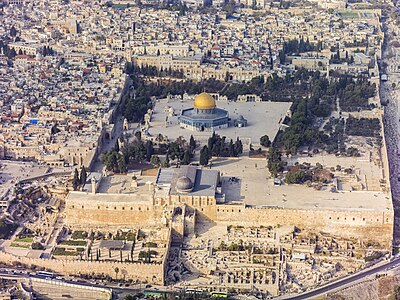
🕌Temple Mount / Al-Aqsa (Jerusalem)
Sacred to Judaism, Christianity, and Islam — the most contested holy site on Earth.
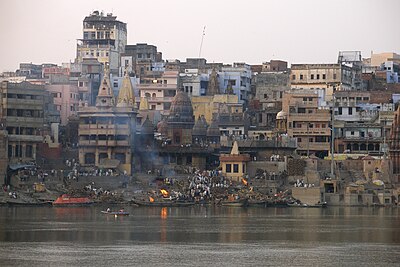
🙏Varanasi (Kashi Vishwanath Temple)
The holiest city in Hinduism, where the Ganges River purifies the soul.

