🕌 Grande Mosquée de Dakar
Senegal
About This Sacred Site
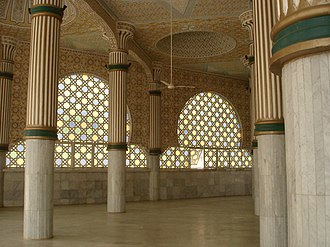
Inaugurated in 1964, the Grande Mosquée de Dakar was constructed with the patronage of King Hassan II of Morocco, reflecting a distinctive blend of Moorish and West African architectural styles. The mosque features an expansive prayer hall capable of accommodating thousands, characterized by horseshoe arches and intricate geometric tilework inspired by Moroccan craftsmanship. Its minaret rises approximately 67 meters high, serving as a prominent landmark in Dakar's cityscape. The structure incorporates local materials, including Senegalese stone and wood, combined with imported Moroccan tiles, which emphasize its cultural fusion. The mosque's courtyard is paved with patterned mosaics and includes a large ablution fountain carved from marble.
History & Origins
The Grande Mosquée de Dakar was inaugurated in 1964 during a period of post-independence nation-building in Senegal. Constructed with assistance from the Moroccan government, the mosque was intended to serve as a national symbol of Islamic faith and unity. Over the decades, it has undergone various renovations to maintain its structure and accommodate growing congregations, including expansions of its prayer halls and improvements to its minaret. The mosque has hosted numerous significant religious events, including Eid prayers and Islamic conferences, reinforcing its role as a spiritual and cultural hub in West Africa. Its establishment marked a key moment in Senegal’s Islamic history, reflecting the country’s religious diversity and the prominence of Islam in public life.
Spiritual Significance
The mosque serves as a central place of worship for Senegal’s Muslim community, primarily Sunni followers of the Maliki school of jurisprudence. It hosts the weekly Jumu'ah prayers, drawing congregants from across Dakar and beyond. During Ramadan, the mosque organizes nightly Taraweeh prayers alongside communal Iftar meals that accommodate hundreds. The mosque also commemorates Mawlid al-Nabi, the Prophet Muhammad’s birth, through special recitations of the Qur'an and Sufi devotional songs (Qasidas) linked to West African Islamic traditions. Scholars affiliated with the mosque often reference the Sahih al-Bukhari and Sahih Muslim collections during sermons. Pilgrims visit to seek blessings and engage in dhikr sessions reflecting the Tijaniyya Sufi order’s influence in the region.
Key Facts
- •Inaugurated in 1964, shortly after Senegal's independence
- •Built with the support of King Hassan II of Morocco
- •Features a blend of Moorish and West African architectural elements
- •The minaret rises to approximately 67 meters
- •Serves as the venue for major national Islamic ceremonies
Location
Coordinates: 14.6928, -17.4467
Frequently Asked Questions
What religion is Grande Mosquée de Dakar associated with?▾
Grande Mosquée de Dakar is a Islam holy site located in Senegal. It was established 1964 and is ranked #808 in our global directory of sacred sites.
When was Grande Mosquée de Dakar established?▾
Grande Mosquée de Dakar dates back to 1964. Inaugurated in 1964, shortly after Senegal's independence
How many people visit Grande Mosquée de Dakar each year?▾
Grande Mosquée de Dakar receives approximately 500,000+ visitors per year. Built with the support of King Hassan II of Morocco
What is Grande Mosquée de Dakar known for?▾
Senegal's largest mosque in the heart of Dakar, a symbol of the nation's Islamic identity. Visitors come seeking pilgrimage, blessings, peace, guidance. Features a blend of Moorish and West African architectural elements
Related Holy Sites
Sacred places connected by country, religion, and purpose