
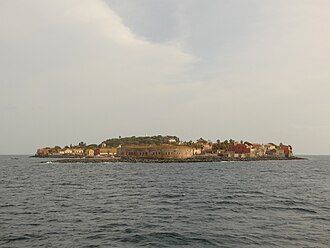
🏝️ Gorée Island
Senegal
About This Sacred Site
Gorée Island, off Dakar’s coast in Senegal, is a UNESCO World Heritage Site known for its role in the transatlantic slave trade. The Maison des Esclaves (House of Slaves) museum and other colonial buildings stand as poignant reminders of the millions of Africans who were enslaved and shipped from this port. The island hosts a mix of Christian, Islamic, and indigenous influences, symbolizing both a tragic history and a space for remembrance, reconciliation, and cultural diversity.
History & Origins
Established in the 1500s, Gorée Island was a strategic trading post controlled by Portuguese, Dutch, French, and British powers at various times. From the 17th to 19th centuries, it was a major center for the transatlantic slave trade, where captives were held before shipment. The Maison des Esclaves was built in the 18th century to house enslaved people, now serving as a museum highlighting this dark legacy. Post-independence, Gorée became a symbol of African resilience and a site for international reflection on human rights. Today, it is a site of pilgrimage, education, and memorialization.
Spiritual Significance
Gorée Island holds profound spiritual significance as a site of remembrance for the millions of enslaved Africans, with the House of Slaves' Door of No Return symbolizing the final departure point from the continent. Annual ceremonies are held to honor ancestors and victims of the transatlantic slave trade, often involving prayers from Christian, Muslim, and traditional African faith leaders, reflecting the island's multi-faith heritage. Pilgrims and visitors engage in rituals of reflection and reconciliation, such as candlelight vigils and libations poured into the sea, to acknowledge the suffering endured and seek healing. The island's chapels and mosques, dating back to the 16th century, continue to serve local worshippers and visiting pilgrims, demonstrating the enduring religious diversity of the region. Gorée has been visited by numerous heads of state, including U.S. President Barack Obama in 2013, who emphasized its role in global memory and spiritual reconciliation.
Key Facts
- •UNESCO World Heritage Site since 1978
- •The 'Door of No Return' in the House of Slaves symbolizes the departure point for enslaved Africans
- •Visited by multiple heads of state including Nelson Mandela, Pope John Paul II, and Barack Obama
- •The island measures only 900 meters long and 350 meters wide
- •Contains both a mosque and a Catholic church reflecting centuries of coexistence
Location
Coordinates: 14.6667, -17.3986
Frequently Asked Questions
What religion is Gorée Island associated with?▾
Gorée Island is a Multi-faith holy site located in Senegal. It was established c. 1500s and is ranked #339 in our global directory of sacred sites.
When was Gorée Island established?▾
Gorée Island dates back to c. 1500s. UNESCO World Heritage Site since 1978
How many people visit Gorée Island each year?▾
Gorée Island receives approximately 200,000+ visitors per year. The 'Door of No Return' in the House of Slaves symbolizes the departure point for enslaved Africans
What is Gorée Island known for?▾
A UNESCO-listed island off Dakar that symbolizes the transatlantic slave trade and spiritual remembrance. Visitors come seeking ancestral connection, forgiveness, peace, healing. Visited by multiple heads of state including Nelson Mandela, Pope John Paul II, and Barack Obama
Related Holy Sites
Sacred places connected by country, religion, and purpose
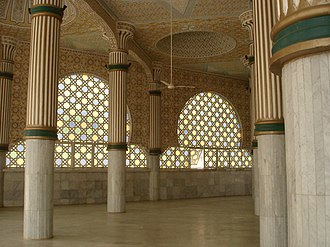
🕌Great Mosque of Touba
The holiest city of the Mouride brotherhood and site of West Africa's largest annual pilgrimage.
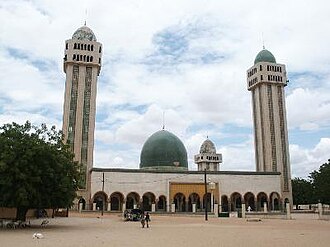

🕌Temple Mount / Al-Aqsa (Jerusalem)
Sacred to Judaism, Christianity, and Islam — the most contested holy site on Earth.
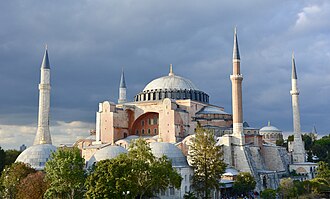
🏛️Hagia Sophia
A masterpiece that served as cathedral, mosque, and museum across centuries.
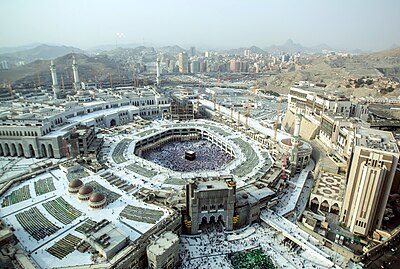
🕋Masjid al-Haram (Great Mosque of Mecca)
The holiest site in Islam, home of the Kaaba, and the destination for Hajj pilgrimage.

⛪Vatican City (St. Peter's Basilica)
The spiritual center of Roman Catholicism and home of the Pope.

